How to Transplant Kidneyshape sedge?
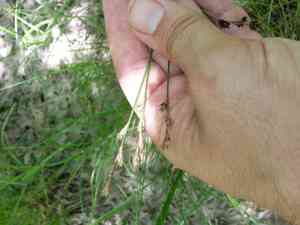
Kidneyshape sedge flourishes most effectively when relocated during the revitalizing season of early spring or the quiescent phase of late autumn. To achieve peak development, select a site offering partial shade and well-draining, damp earth. Guarantee minimal disruption to the root system for successful integration.
What Preparations are Needed Before Transplanting Kidneyshape Sedge?
What is the Ideal Time for Transplanting Kidneyshape Sedge?
The best time to move kidneyshape sedge, a perennial, is in early spring or late autumn. These periods offer mild temperatures and sufficient moisture, which helps minimize transplant shock and encourages root development. Relocating kidneyshape sedge during these seasons allows it to adapt before summer or winter extremes.
How Much Space Should You Leave Between Kidneyshape Sedge Plants?
For best development, position kidneyshape sedge 12-18 inches (30-45 cm) apart. This provides ample room for them to expand and flourish without becoming too crowded.
What is the Best Soil Mix for Kidneyshape Sedge Transplanting?
Kidneyshape sedge prefers soil that drains well. Prepare by incorporating compost or a balanced base fertilizer into your garden bed. Aim for a slightly acidic to neutral pH for optimal outcomes.
Where Should You Relocate Your Kidneyshape Sedge?
Kidneyshape sedge thrives in partial to full shade. Select a spot that receives filtered sunlight or shade for most of the day, which is ideal for its growth and vitality.
What Equipments Should You Prepare Before Transplantation Kidneyshape Sedge?
Gardening Gloves
To safeguard your hands while handling soil and plants.
Shovel or Spade
For digging and loosening the earth around the plant.
Trowel
For more precise digging and managing smaller soil areas.
Pruning Shears
To trim any damaged roots or foliage.
Watering Can or Hose
To hydrate the plant before and after its relocation.
Compost or Mulch
To enrich the soil and help retain moisture.
How Do You Remove Kidneyshape Sedge from the Soil?
How Do You Remove Kidneyshape Sedge from the Soil?
From Ground: First, moisten the kidneyshape sedge plant's soil. Then, dig a wide trench around the plant with a shovel or spade, ensuring the root ball stays intact. Carefully work the spade beneath the root ball to lift the plant from its original spot.From Pot: Thoroughly water the kidneyshape sedge plant before removal. Gently tap the pot to loosen the soil and roots from the sides. Invert the pot, supporting the plant with your hand, and carefully slide it out.From Seedling Tray: Ensure the tray's soil is damp. Use a trowel or spoon to gently lift each kidneyshape sedge seedling, taking care not to harm the roots. Handle seedlings by their leaves, not their delicate stems.
Step-by-Step Guide for Transplanting Kidneyshape Sedge
Site Preparation
Prepare the planting location by digging a hole that is twice as wide and the same depth as the kidneyshape sedge's root ball.
Soil Preparation
Add compost or organic material to the bottom of the hole to enrich the soil and enhance drainage.
Plant Placement
Position the kidneyshape sedge in the hole, ensuring the top of the root ball is level with the surrounding ground. Fill the hole halfway with soil, then water to settle the soil and eliminate air pockets.
Final Filling
Fill the remaining portion of the hole with soil and gently press it down with your hands or the back of the trowel. Water the area thoroughly.
Mulching
Apply a layer of mulch around the base of the kidneyshape sedge to help retain moisture and regulate soil temperature.
How Do You Care For Kidneyshape Sedge After Transplanting?
Watering
Keep the soil around the kidneyshape sedge consistently moist, but not waterlogged, for the initial weeks after transplanting to aid in strong root establishment.
Monitoring
Regularly inspect the plant for indications of stress or disease. This includes yellowing leaves, wilting, or stunted growth.
Pruning
If needed, trim any damaged or excessive foliage to reduce plant stress and encourage healthy development.
Troubleshooting Common Issues with Kidneyshape Sedge Transplantation.
When is the best time to transplant kidneyshape sedge?
Relocate kidneyshape sedge ideally during early spring or late fall for optimal outcomes.
How much space should I leave between each kidneyshape sedge?
Ensure to space each kidneyshape sedge 12-18 inches (30-45 cm) apart for optimal growth.
How should I prepare the soil for transplanting kidneyshape sedge?
Enrich the soil with organic compost and ensure it's well-draining before transplanting kidneyshape sedge.
What depth should I plant kidneyshape sedge?
Plant kidneyshape sedge at the same depth it was growing in its previous location.
How do I ensure kidneyshape sedge survives the transplanting process?
Water kidneyshape sedge thoroughly before and after transplanting to reduce stress and help it establish.
What type of soil is best for transplanting kidneyshape sedge?
Kidneyshape sedge thrives in well-draining, fertile soil enriched with organic matter.
Should I mulch around kidneyshape sedge after transplanting?
Yes, apply mulch around kidneyshape sedge to conserve moisture and suppress weeds.
How often should I water kidneyshape sedge after transplanting?
Water kidneyshape sedge regularly, keeping the soil consistently moist but not waterlogged.
Can I transplant kidneyshape sedge during the summer?
It's not recommended; transplant kidneyshape sedge in early spring or late fall for better success.
How can I protect kidneyshape sedge from transplant shock?
Gradually acclimate kidneyshape sedge to its new location and keep it well-watered to reduce shock.



