How to Propagate Kidneyshape sedge?
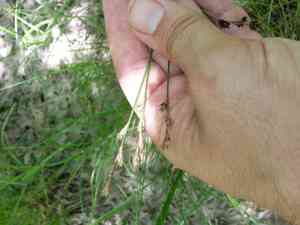
Kidneyshape sedge is a perennial grass-like plant indigenous to marshy environments. It thrives in damp earth and receives adequate sunlight. For reproduction, effective advice involves splitting established clusters to foster vigorous development. Gently detach the root systems and transplant them into comparable soil environments. Consistent irrigation is crucial for preserving hydration. These approaches enable the plant to flourish in cultivated areas, guaranteeing strong and enduring progress.
When Is the Optimal Time to Propagate Kidneyshape Sedge?
Propagation Method
Splitting
Propagation Period
Spring,Autumn
What Tools Are Utilized for Kidneyshape Sedge Propagation?
Sharp Garden Spade
An acute garden spade is crucial for excavating around kidneyshape sedge to extract clumps from the ground with minimal root trauma. It ensures precise cuts and efficient separation, fostering improved recovery and development.
Pruning Knife or Garden Shears
Pruning knives or garden shears are employed to meticulously divide the clump into smaller portions. Accuracy is vital to prevent harm to the plant's crown or root system, which is essential for the vitality of the separated parts.
Root Dip or Rooting Hormone
Root dips or rooting hormones can stimulate root development and enhance the successful establishment of divided sections. They are particularly beneficial in boosting the recovery and vigor of newly planted divisions.
Watering Can with Fine Rose
A watering can equipped with a fine rose guarantees gentle and uniform irrigation of the freshly divided kidneyshape sedge sections, preventing soil displacement and root damage during the delicate recuperation phase.
Plant Labels
Plant labels assist in tracking newly propagated kidneyshape sedge clumps. They are important for monitoring growth and ensuring appropriate care is provided to each section.
Garden Gloves
Protective garden gloves shield your hands while handling spades, shears, and thorny or sharp plant components during the division process. They are critical for both plant and gardener safety.
Soil Knife
A soil knife is useful for gently separating roots and soil. It can offer greater precision than a spade when dealing with dense root systems, ensuring that divisions are clean and healthy.
Organic Mulch
Mulch aids in retaining soil moisture and regulating temperature around newly divided kidneyshape sedge. It also suppresses weeds, which can compete for nutrients and water during the plant's establishment phase.
How to Propagate Kidneyshape Sedge?
Propagation Difficulty
Simple
How to Nurture Your Newly Propagated Kidneyshape Sedge?
How to Nurture Your Newly Propagated Kidneyshape Sedge?
Post-propagation care involves consistent watering to maintain uniformly moist soil, avoiding saturation. Applying mulch around the plant's base can help retain soil moisture and manage weeds. Provide partial to full shade, mimicking kidneyshape sedge's natural environment. Periodically check for signs of stress or disease, and remove dead or damaged foliage to encourage healthy growth. Fertilize sparingly with a balanced slow-release fertilizer if needed, but refrain from excessive feeding as it can harm kidneyshape sedge. Remain vigilant for pests and apply organic insecticides if necessary.
Common Errors to Avoid When Propagating Kidneyshape Sedge
Overwatering
Excessive water can lead to root rot, which impedes plant growth and may kill kidneyshape sedge.
Underwatering
Insufficient water can cause dehydration, stunting growth, and potentially killing kidneyshape sedge.
Using Poor Soil
Soil lacking proper drainage or containing too much clay can retain water, causing root rot and inadequate aeration.
Neglecting Sunlight
Inadequate sunlight can result in weak stems and poor leaf development in kidneyshape sedge.
Improper Division
Incorrectly dividing the plant can damage roots and diminish propagation success.
Advice For Propagating Kidneyshape Sedge
Water Management
Maintain consistent, moderate moisture levels in the soil to prevent over- or underwatering.
Soil Quality
Utilize well-draining, fertile soil to supply essential nutrients and prevent waterlogging.
Sunlight Exposure
Ensure kidneyshape sedge receives partial to full sunlight daily for optimal leaf and stem development.
Correct Division Technique
When dividing, carefully separate the roots and plant clumps without causing damage to ensure successful propagation.



