How to Prune Kidneyshape sedge?
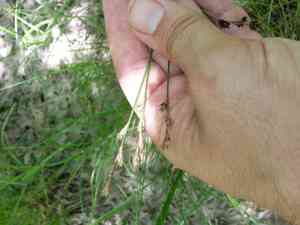
Kidneyshape sedge, recognized for its reniform leaves, flourishes with appropriate trimming in early spring or during winter. Eliminate any withered or compromised foliage to stimulate vigorous growth and preserve its inherent form. Judicious thinning can enhance air movement, diminishing the likelihood of illness. Refrain from severe pruning as it could cause distress to the plant. This method guarantees sturdy progress, optimizes aesthetic charm, and cultivates a hardy, neatly kept garden element.
What Are the Benefits of Pruning Kidneyshape Sedge?
What Are the Benefits of Pruning Kidneyshape Sedge?
Trimming kidneyshape sedge encourages robust development and helps maintain its form, leading to a more appealing look and improved plant vitality. Regular trimming also assists in size management, preventing congestion, and boosting resistance to pests and illnesses.
What Is the Best Time for Pruning Kidneyshape Sedge?
What Is the Best Time for Pruning Kidneyshape Sedge?
Trimming kidneyshape sedge in early spring and winter is considered optimal for several reasons. Early spring is ideal as it allows for the removal of any dead or damaged growth from the prior year before the new growth cycle begins, fostering healthier and more vigorous development. Winter trimming, conversely, is beneficial because it occurs during the plant's dormant period, minimizing stress and lowering the risk of disease and pest infestations. During these seasons, the plant is less likely to experience significant sap loss, and cuts heal more effectively. Additionally, these times do not interfere with kidneyshape sedge's blooming or seeding cycles, ensuring the plant can produce its flowers and seeds without interruption.
What Tools Do I Need to Prune Kidneyshape Sedge?
Bypass Pruners
Perfect for making clean cuts on kidneyshape sedge's leaves without crushing plant tissue. This supports plant health and reduces stress.
Grass Shears
Excellent for trimming and shaping kidneyshape sedge due to its ground cover nature and fine foliage. They enable precise cuts in tight spots.
Hand Scythe
Useful for cutting back larger sections of kidneyshape sedge's growth when a more substantial trim is required. Effective for quickly and efficiently managing overgrown areas.
Long-handled Pruners
Helpful for reaching and trimming away dead or overgrown parts of kidneyshape sedge without bending, practical for larger garden spaces.
Gloves
Essential for protecting hands from sharp edges or irritants while handling kidneyshape sedge.
How to Prune Kidneyshape Sedge
Assessment
Inspect kidneyshape sedge for any diseased or withered leaves, noting their locations and extent.
Tools preparation
Gather appropriate trimming tools, such as sharp scissors or pruning shears, and sanitize them to prevent disease spread.
Diseased leaves removal gentle cut
Carefully trim any diseased leaves at the base, disposing of them properly to avoid contamination.
Withered leaves removal clean cut
Remove withered leaves by making a clean cut near the base, ensuring not to harm healthy parts of kidneyshape sedge.
Disposal and sanity cleanup
Dispose of all trimmed material and clean your pruning tools after use to maintain garden hygiene.
Common Pruning Mistakes with Kidneyshape Sedge
Incorrect Technique
A common error is using dull or unsuitable pruning tools, which can result in jagged cuts and damage to the plant tissue.
Over-Pruning
Removing too much foliage at once can stress kidneyshape sedge and hinder its growth. Excessive pruning can also make the plant vulnerable to diseases and pests.
Pruning Too Close to the Ground
Cutting back kidneyshape sedge too close to the ground can harm the plant's root system and reduce its ability to regenerate.
Ignoring Diseased Portions
Not removing diseased or damaged parts of kidneyshape sedge can allow pathogens to spread, impacting the plant's overall health.
Common Pruning Tips for Kidneyshape Sedge
Use Sharp Tools
Always use sharp, clean pruning shears or scissors to make precise cuts and minimize damage to kidneyshape sedge.
Remove Dead or Diseased Foliage
Regularly inspect kidneyshape sedge for dead, diseased, or damaged leaves and remove them to promote healthy growth.
Thin Out Crowded Areas
Trim kidneyshape sedge to thin out crowded areas, which can improve air circulation and reduce the risk of fungal infections.
Be Conservative with Pruning
Gradually trim kidneyshape sedge, taking small amounts of foliage at a time to avoid stressing the plant.
Cut Above a Node
When trimming, make cuts just above a leaf node or growing point to encourage new growth and maintain the plant's shape.



