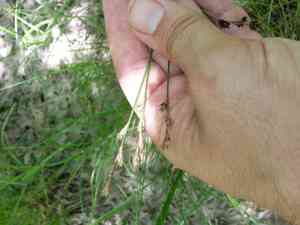
Kidneyshape sedge (Carex reniformis)
Also known as: None
Kidneyshape sedge is a perennial plant known for its unique kidney-shaped profile. It features bright green, grass-like leaves and inflorescences that may have a brownish or greenish hue. This sedge prefers moist, shaded habitats where it forms dense clumps, commonly found along stream edges and in boggy areas. Its presence helps with water filtration and soil stabilization.
In This Article
Attributes of Kidneyshape sedge
Lifespan
Perennial
Plant Type
Grass
Plant Height
30-60 cm
Spread
N/A
Leaf Color
Bright green
Flower Size
0.5-1 cm
Flower Color
Brown
Images of Kidneyshape sedge
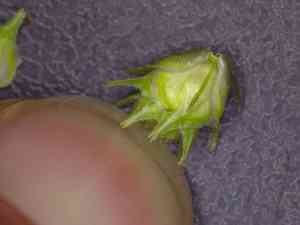
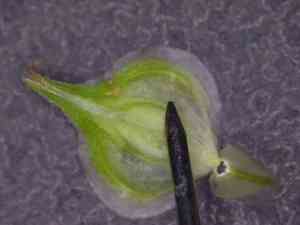
Quickly Identify Kidneyshape sedge
1
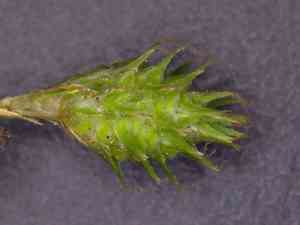
Carex reniformis can be identified by its kidney-shaped leaves and dense clumps. The leaves often have a smooth texture and bright green color. The seed heads are typically brown and form dense clusters at the top of the stems.
Scientific Classification of Kidneyshape sedge
Phylum
Vascular plants
Class
Monocotyledons
Order
Poales
Family
Sedge
Genus
True sedges
Species
Kidneyshape sedge
Planting and Growing of Kidneyshape sedge
Care Difficulty
Moderate
Watering Schedule
Every 2 days
Sunlight Requirements
Partial sun
Sunshine Duration
4-8 hours
Ideal Temperature
60-75℉
Soil Type
Potting Mix, Peat Mix
Soil pH
6.5-7.5
Fertilizer Type
Balanced
Pruning Season
Spring, Summer
Pruning Area
Branches, Leaves
Pruning Frequency
2 times a year
Repotting Season
Spring
Pot Type
Ceramic, Plastic
 How to Water Kidneyshape sedge?
Carex reniformis prefers consistent yet moderate moisture. The key is to keep the soil evenly moist but not waterlogged. Aim for around 200 ml per watering session, making sure the water thoroughly penetrates the soil reaching the roots.
What are the symptoms of an underwatered Kidneyshape sedge?
›
What should I do if my Kidneyshape sedge is not getting enough water?
›
What are the symptoms of an overwatered Kidneyshape sedge?
›
How to save an overwatered Kidneyshape sedge?
›
 What Are the Sunlight Requirements for Kidneyshape sedge?
Carex reniformis ideally thrives in partial sun to dappled shade, which enhances its growth, ensuring lush foliage and strengthening its resilience against environmental stressors.
How much sunlight does Carex reniformis need daily?
›
What are the solutions for achieving ideal lighting?
›
Benefits of providing ideal lighting for Carex reniformis
›
 What Is the Ideal Temperature Range for Kidneyshape sedge?
The ideal temperature range for growing Carex reniformis is between 60°F and 75°F. Within this range, the plant experiences optimal growth and development, maintaining its health and vibrancy. Proper temperature within this range helps in photosynthesis and nutrient absorption leading to robust plant health.
 What Soil is Best for Kidneyshape sedge?
Carex reniformis thrives in soil that maintains a good balance between moisture retention and drainage. This balance prevents root rot while ensuring the plant doesn't suffer from drought stress, fostering robust growth and vibrant foliage. The plant benefits from soil rich in organic matter and essential nutrients. Adequate nutrient content promotes healthy growth and enhances the plant's resilience against pests and diseases. Aerated soil is crucial for Carex reniformis, ensuring the roots have access to oxygen. This promotes efficient nutrient uptake and prevents compaction, crucial for maintaining plant vigor and health.
 How to Fertilize Kidneyshape sedge?
For Carex reniformis, the recommended fertilizer amount is moderate. Use a balanced 10-10-10 liquid fertilizer diluted to half strength, applying 500 ml per application. Solid fertilizers should be applied at a rate of 30 grams per plant per application. Adjust based on plant response and growth rate.
 How to Prune Kidneyshape sedge?
Begin by identifying and removing any dead or damaged leaves. These can be unsightly and attract pests. Trim these at the base of the foliage, taking care not to harm new growth. Proper removal encourages new healthy growth. Prune Carex reniformis to control its size and shape, ensuring it fits well within your landscape or container. Trim around the edges and top where necessary to maintain its natural shape, enhancing its ornamental value. Pruning encourages denser growth, making the plant look fuller and more vibrant. Trim the plant back lightly and evenly; this stimulates new growth from the base, leading to a lush appearance. Regular pruning keeps the plant looking fresh and tidy.
More About Pruning Techniques→
 How to Propagate Kidneyshape sedge plant?
1
Choose mature and healthy Carex reniformis plants for division. Look for those with lush foliage and robust root systems to ensure the new divisions are strong and healthy.
2
Carefully dig up the plant using a garden shovel. Gently shake off excess soil and use a sharp tool to divide the root clump into smaller sections, each with roots and shoots.
3
Replant the divisions into well-prepared soil at the same depth they were initially growing. Water thoroughly after planting to help them establish in their new location.
 How to Repot Kidneyshape sedge plant?
1
Repotting Carex reniformis should ideally take place when you notice root-bound growth or if the soil no longer retains water effectively. These signs indicate that the plant has outgrown its current pot and needs more space to thrive. Spring and autumn are the best seasons for repotting, providing favorable growth conditions.
2
Select a pot that is 1-2 inches larger in diameter than the previous one, with adequate drainage holes to prevent waterlogging. A slightly larger pot encourages healthy root expansion, while proper drainage keeps the roots from rotting. This balance ensures the plant's optimum growth while mitigating common growth issues.
3
Opt for a well-draining loamy soil mix enriched with organic matter. This type of soil provides the ideal texture and nutrients that Carex reniformis needs. Good drainage helps prevent root rot, while organic matter supports robust growth, making it a perfect choice for a thriving plant.
Toxicity
None
WARNING
The judgment on toxicity and danger is for reference only. We DO NOT GUARANTEE any accuracy of such judgment. Therefore, you SHALL NOT rely on such judgment. It is IMPORTANT TO SEEK PROFESSIONAL ADVICE in advance when necessary.
Learn More About Kidneyshape sedge Diseases
Anthracnose
Bacterial Leaf Spot
Bacterial Soft Rot
Chemical Injury
Damping-off
Downy Mildew
Drought Stress
Fusarium Wilt
Gray Mold
Leaf Spot
Mosaic
Nutrient Deficiency
Nutrient Toxicity
Powdery Mildew
Root Rot
Root-knot Nematode
Rusts
Sooty Mold
Spider Mites
Temperature Stress
Thrips Damage
White Mold



