How to Transplant Cypress-like sedge?
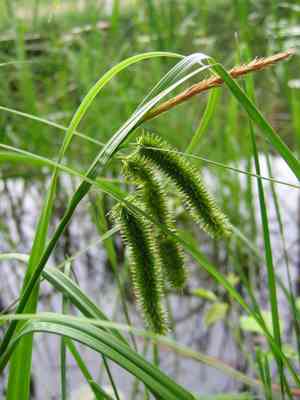
The ideal period for transplanting cypress-like sedge spans from the onset of spring's thaw until the verge of summer, capitalizing on vigorous development. Select damp, partially shaded locations to replicate the native environment of cypress-like sedge. Careful manipulation is crucial to safeguard fragile root systems.
What Preparations are Needed Before Transplanting Cypress-like Sedge?
What is the Ideal Time for Transplanting Cypress-like Sedge?
The optimal period to move cypress-like sedge is from early spring's onset through late spring's peak. Relocating cypress-like sedge during this time leverages the mild temperatures and increasing daylight, which are vital for root establishment in its new spot. Introducing cypress-like sedge to your garden then ensures vigorous growth and a smooth transition, setting the stage for a season of lush foliage and vitality.
How Much Space Should You Leave Between Cypress-like Sedge Plants?
Position your cypress-like sedge plants approximately 6-12 inches (15-30 cm) apart. This provides them ample room to develop without overcrowding. Similar to us, they benefit from some personal space to grow!
What is the Best Soil Mix for Cypress-like Sedge Transplanting?
Your cypress-like sedge will flourish in consistently moist soil. Aim for a loamy or clay soil type that retains water effectively. Prior to planting, enrich your soil with well-decomposed compost or a balanced slow-release fertilizer to give your cypress-like sedge a strong start.
Where Should You Relocate Your Cypress-like Sedge?
Select a location for your cypress-like sedge that receives ample sunlight, though they can tolerate some shade, especially during the day's hottest hours. An ideal spot allows gentle sunlight to reach their leaves for several hours.
What Equipments Should You Prepare Before Transplantation Cypress-like Sedge?
Gardening Gloves
To safeguard your hands while handling soil and plants.
Spade or Shovel
For excavating the cypress-like sedge and preparing the new planting site.
Hand Trowel
Useful for detailed work or smaller cypress-like sedge specimens.
Watering Can or Hose
To hydrate the cypress-like sedge both before and after its relocation.
Pruning Shears
For trimming any damaged roots or leaves prior to transplanting.
Wheelbarrow or Garden Cart
To move the cypress-like sedge from its original spot to the new transplant location.
Mulch
To help retain moisture and suppress weed growth around the cypress-like sedge post-transplant.
How Do You Remove Cypress-like Sedge from the Soil?
How Do You Remove Cypress-like Sedge from the Soil?
From Ground: First, water the cypress-like sedge to moisten the soil. Then, dig a wide trench around the plant using a shovel or spade, ensuring the root ball remains intact. Carefully work beneath the root ball to lift the plant from its original position.From Pot: Begin by watering the cypress-like sedge to facilitate easier root removal. Turn the pot on its side and gently slide the plant out, supporting the root ball and stem with your hands.From Seedling Tray: Dampen the soil in the tray to minimize root disturbance. Use a hand trowel or your fingers to carefully extract individual cypress-like sedge plants, taking care to support the soil surrounding the root system.
Step-by-Step Guide for Transplanting Cypress-like Sedge
Digging the Hole
Excavate a hole in the ground that is twice the width of the cypress-like sedge's root ball and of equal depth, ensuring ample space for root expansion.
Preparing the Plant
Gently remove any dead or damaged roots or foliage with pruning shears to promote vigorous growth after transplanting.
Placing the Plant
Position the cypress-like sedge into the new hole so it sits at the same depth it was previously growing. The top of the root ball should be level with the soil surface.
Filling the Hole
Carefully backfill the hole with the excavated soil, firming it around the cypress-like sedge to eliminate air pockets, but avoid excessive compaction.
Watering
Thoroughly water the cypress-like sedge to settle the soil around its roots and aid in its establishment in the new location.
Adding Mulch
Apply a layer of mulch around the cypress-like sedge, keeping it clear of the plant's stem, to help maintain soil moisture and regulate temperature.
How Do You Care For Cypress-like Sedge After Transplanting?
Watering
Maintain consistent moisture levels around the cypress-like sedge, particularly during its initial growing season, to support root establishment without over-saturating.
Monitoring
Observe the cypress-like sedge for any indications of stress, such as wilting or discolored leaves, and address issues as needed.
Pruning
Trim any newly dead or damaged foliage to direct the cypress-like sedge's energy towards root development and healthy growth.
Troubleshooting Common Issues with Cypress-like Sedge Transplantation.
What's the best timing for transplanting cypress-like sedge for optimal growth?
The ideal period to move cypress-like sedge is from early to late spring, allowing it to establish in mild temperatures.
How far apart should cypress-like sedge be spaced when transplanting?
Ideally, position cypress-like sedge 6-12 inches (15-30 cm) apart for ample growth space.
Why is my cypress-like sedge wilting after transplanting?
Wilting may occur if roots were damaged during transplant. Ensure gentle handling and adequate water post-move.
What soil conditions favor cypress-like sedge after transplanting?
For successful establishment, plant cypress-like sedge in moist, well-draining soil rich in organic matter.
How should I water cypress-like sedge after transplanting?
Water deeply just after transplanting, then regularly to keep the soil consistently moist, but not waterlogged.
Can cypress-like sedge be exposed to full sunlight after transplanting?
Post-transplant, cypress-like sedge thrives best in partial shade to protect it from stress while it adjusts.
What should I do if cypress-like sedge isn't thriving post-transplant?
Check if cypress-like sedge is planted at the correct depth, not too deep or shallow, and adjust care accordingly.
How to protect transplanted cypress-like sedge from cold snaps?
Shield cypress-like sedge with mulch or frost cloth if an unexpected freeze threatens during the acclimation period.
Is fertilizer necessary for cypress-like sedge after transplanting?
Wait a few weeks before feeding cypress-like sedge to avoid burning delicate new roots; opt for a balanced fertilizer.
What signs indicate cypress-like sedge has successfully acclimated after transplanting?
Successful acclimation is visible by the new growth of foliage, indicating the roots have settled in well.



