How to Prune Cypress-like sedge?
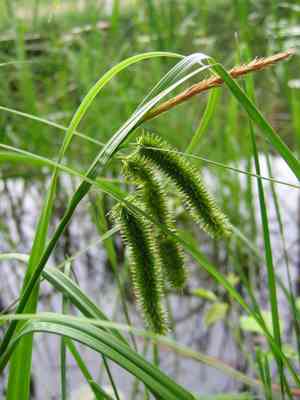
A perennial plant that thrives in damp conditions, resembling grass, cypress-like sedge prospers in marshy areas and along the edges of water bodies. Cut back cypress-like sedge during the initial part of spring or in winter prior to the emergence of new shoots. Remove any withered or discolored leaves down to the soil level to ensure tidy clumps and encourage robust foliage. This trimming encourages strong development and stops excessive density. Always employ sanitized, sharp implements to avoid spreading pathogens. Avoid over-pruning to retain the plant's inherent form and ecological benefit.
What Are the Benefits of Pruning Cypress-like Sedge?
What Are the Benefits of Pruning Cypress-like Sedge?
Trimming cypress-like sedge promotes robust development and helps maintain its form. By eliminating dead or overgrown sections, the plant can direct energy towards producing abundant, healthy foliage.
What Is the Best Time for Pruning Cypress-like Sedge?
What Is the Best Time for Pruning Cypress-like Sedge?
Trimming cypress-like sedge in early spring coincides with the start of the growing season, allowing for quick recovery and energy investment into new growth. Pruning before the spring growth surge ensures cypress-like sedge maintains its shape and vigor without hindering its annual development. Winter pruning, when cypress-like sedge is dormant, reduces stress and the risk of disease transmission due to fewer active pathogens. It also enables gardeners to easily view the structure of cypress-like sedge and remove dead or damaged foliage without impacting plant health or next year's growth.
What Tools Do I Need to Prune Cypress-like Sedge?
Hand Pruners
Given cypress-like sedge's grass-like foliage and moderate stems, hand pruners are ideal. They allow for precise cuts without harming adjacent stems, ensuring a neat trim.
Gardening Gloves
Since cypress-like sedge can have irritating edges, gloves protect hands from cuts or irritation when handling the plant for trimming.
Garden Shears
For cutting larger areas of cypress-like sedge, especially during its dormant period to manage size and shape, garden shears offer an efficient way to uniformly cut back foliage.
Pruning Saw
If cypress-like sedge has become particularly overgrown and developed thicker clumps, a pruning saw might be necessary for more significant cuts within dense growth.
How to Prune Cypress-like Sedge
Identify
Examine cypress-like sedge thoroughly to pinpoint diseased or withered leaves. Healthy leaves will be firm and vibrant, while diseased or withered ones may appear discolored, wilted, or dry.
Disinfect
Before beginning to prune, clean and sanitize your pruning tools to prevent the spread of diseases to healthy parts of cypress-like sedge. You can use a solution of one part bleach to nine parts water or rubbing alcohol.
Trim diseased
Carefully cut diseased leaves at their base where they emerge from the rhizome. Ensure a clean cut through the leaf without damaging nearby healthy leaves or the rhizome of cypress-like sedge.
Trim withered
Remove withered leaves using the same technique as in the previous step, being careful not to pull or tear, as this could harm cypress-like sedge's rhizome and healthy sections.
Dispose
Properly dispose of diseased and withered leaves in a waste bin or by burning if permitted; do not compost, as diseases could spread to other plants. Clean the tools again after pruning to ensure no pathogens remain.
Common Pruning Mistakes with Cypress-like Sedge
Overpruning
Cutting back cypress-like sedge too severely can limit its ability to photosynthesize effectively, as well as diminish its natural shape and vigor.
Blunt tools
Using dull or unclean pruning tools can damage cypress-like sedge's stems, leading to unhealthy cuts that may invite disease.
Pruning healthy tissue
Removing healthy growth unnecessarily can stress cypress-like sedge and slow its overall development, rather than promoting it.
Ignoring dead material
Failing to remove dead or dying material from cypress-like sedge can impede new growth and potentially encourage the spread of pests or disease.
Flush cutting
Cutting stems of cypress-like sedge flush with the ground can harm the plant's crown, leaving it susceptible to diseases and hindering its natural clumping growth habit.
Common Pruning Tips for Cypress-like Sedge
Sharp tools
Always use sharp, clean pruning shears to make precise cuts on cypress-like sedge, which helps prevent damage and disease.
Cutting angle
Cut stems of cypress-like sedge at an angle to prevent water accumulation on the cut surface, which can lead to rot.
Zone pruning
Prune cypress-like sedge by thinning out congested areas to improve air circulation and sunlight penetration, which encourages healthier growth.
Height consideration
Leave at least two-thirds of cypress-like sedge's height intact to ensure it has sufficient foliage to sustain healthy growth.
Visual inspection
Regularly examine cypress-like sedge and only prune areas that are dead, diseased, or damaged, preserving the plant's natural shape and health.



