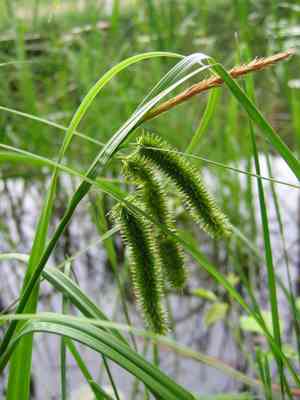
Cypress-like sedge (Carex pseudocyperus)
Also known as: Hop sedge
The Common Cattail (*Typha latifolia*) is a water-loving plant that thrives in ponds, streams, marshes, and other freshwater environments throughout the Americas, Europe, and Asia. While it may not boast significant ornamental value, it is easy to cultivate and is occasionally included in low maintenance wildlife gardens for its ecological benefits.
In This Article
Attributes of Cypress-like sedge
Lifespan
Perennial
Plant Type
Grass
Plant Height
1 m
Spread
75 cm
Leaf Color
Green
Flower Size
9 mm to 1.2 cm
Flower Color
Green
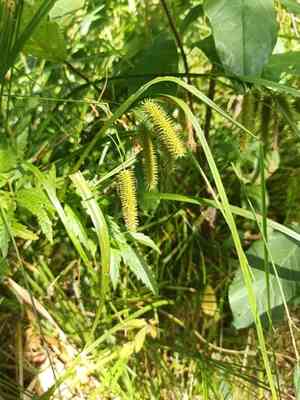
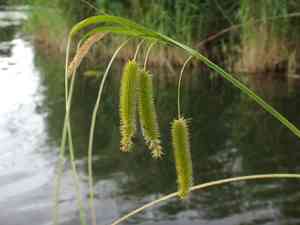
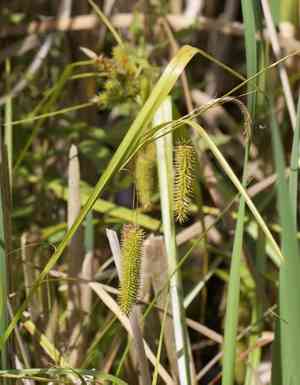
Images of Cypress-like sedge
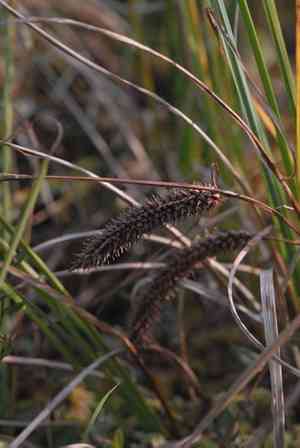
Quickly Identify Cypress-like sedge
1
Can be identified by its sharply triangular stems, bright green leaves, and distinctive floral spikes that resemble those of the true Cyperus species. The flowering spikes are long and hang downwards, and the plant can grow up to 1 meter tall.
Scientific Classification of Cypress-like sedge
Phylum
Vascular plants
Class
Monocotyledons
Order
Poales
Family
Sedge
Genus
True sedges
Species
Cypress-like sedge
Planting and Growing of Cypress-like sedge
Care Difficulty
Easy
Watering Schedule
Every 8 days
Sunlight Requirements
Partial sun
Sunshine Duration
6-10 hours
Ideal Temperature
60-75℉
Soil Type
Potting Mix, Peat Mix
Soil pH
6.5-7.5
Fertilizer Type
Balanced
Pruning Season
Spring, Summer
Pruning Area
Leaves, Branches
Pruning Frequency
2 times a year
Repotting Season
Spring
Pot Type
Plastic, Ceramic
 How to Water Cypress-like sedge?
Carex pseudocyperus thrives in moist environments. When watering, ensure the soil is evenly moist but not waterlogged. Approximately 500 ml is a good amount to achieve this balance, mimicking the plant's natural habitat.
What are the symptoms of an underwatered Cypress-like sedge?
›
What should I do if my Cypress-like sedge is not getting enough water?
›
What are the symptoms of an overwatered Cypress-like sedge?
›
How to save an overwatered Cypress-like sedge?
›
 What Are the Sunlight Requirements for Cypress-like sedge?
Partial sun or partial shade ensures healthy growth for Carex pseudocyperus. Ideal lighting supports robust foliage, prevents leaf damage, and maintains the plant’s aesthetic beauty, adapting well to varying light conditions within this range.
More About Sunlight Requirements Techniques→
What type of sunlight is best for Carex pseudocyperus?
›
How can I ensure my plant gets the right light?
›
What are the benefits of ideal lighting for this plant?
›
 What Is the Ideal Temperature Range for Cypress-like sedge?
The ideal temperature range for Carex pseudocyperus is between 60°F and 75°F. This range ensures optimal growth, allowing the plant to develop robustly while maintaining its vibrant foliage. Within this temperature window, the metabolic processes of the plant are most efficient, supporting healthy development and resilience against potential stresses.
 What Soil is Best for Cypress-like sedge?
Carex pseudocyperus prefers soils that retain moisture well. The ability to hold water ensures that the roots have consistent access to hydration, which is crucial for the plant's health and growth. This plant thrives in soils rich in organic matter. Such soils provide essential nutrients that enhance growth and promote lush, healthy foliage. While it appreciates moisture, Carex pseudocyperus also requires well-drained conditions to prevent root rot. Proper drainage ensures the roots have access to air, promoting a healthy root system.
 How to Fertilize Cypress-like sedge?
For Carex pseudocyperus, the application of fertilizer should be modest. Use a diluted solution, particularly with liquid fertilizers. For liquid fertilizers, mix at a ratio of 1 teaspoon per gallon of water to avoid over-fertilization. Solid fertilizers should be applied sparingly, ensuring it does not exceed the manufacturer's guidelines of about 1 pound for 100 square feet.
 How to Prune Cypress-like sedge?
Start by identifying any brown, dead, or damaged leaves or stems. These parts are not contributing to growth and can be safely removed to improve the plant's overall appearance. When removing unwanted foliage, make cuts close to the base of the plant. This not only minimizes visible stubs but also stimulates new growth from the base, leading to a fuller appearance. Carex pseudocyperus can benefit from shaping cuts that follow its natural form. Gently trim to create a symmetrical outline, accentuating its graceful arching leaves and enhancing visual appeal.
More About Pruning Techniques→
 How to Propagate Cypress-like sedge plant?
1
Start by filling seed trays with a suitable potting mix. Sow seeds on the surface, lightly covering them with more mix. Keep the medium consistently moist until germination.
2
Using a spade, dig up the plant in early spring. Gently divide the root clump into smaller parts, ensuring each part has roots and shoots.
3
Once seedlings or divisions have established roots, transplant them to their permanent location, ensuring adequate spacing and soil conditions.
 How to Repot Cypress-like sedge plant?
1
Carex pseudocyperus signals the need for repotting when its roots start growing out of the drainage holes or when growth slows noticeably despite optimal care. Spring and early Summer are the best times for repotting, as the plant enters an active growth phase, which helps it recover faster from transfer shock.
2
Select a pot that's just one size larger than the current one, ensuring it has sufficient drainage holes. A larger pot will accommodate root growth without overwhelming the plant. This balances water retention and air circulation, crucial for preventing root rot and encouraging healthy development.
3
Opt for a rich, loamy soil that remains moist but not waterlogged. A well-balanced mix allows for ample drainage and retains necessary moisture while providing essential nutrients. This environment suits the natural habitat of swampy areas from which Carex pseudocyperus hails, ensuring healthy growth.
Learn More About Cypress-like sedge Diseases
Anthracnose
Bacterial Leaf Spot
Bacterial Soft Rot
Bacterial Wilt
Chemical Injury
Damping-off
Downy Mildew
Drought Stress
Fusarium Wilt
Gray Mold
Leaf Spot
Mosaic
Nutrient Deficiency
Nutrient Toxicity
Powdery Mildew
Root Rot
Root-knot Nematode
Rusts
Sooty Mold
Spider Mites
Temperature Stress
Thrips Damage
White Mold



