How to Transplant Caribbean sedge?
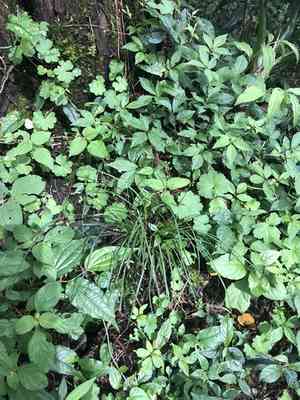
Caribbean sedge flourishes most effectively when relocated during the milder seasons of early to late spring. This period enables the plant to develop its root system without enduring severe temperature fluctuations. Select a site that receives full sun or partial shade and features soil with good drainage.
What Preparations are Needed Before Transplanting Caribbean Sedge?
What is the Ideal Time for Transplanting Caribbean Sedge?
The optimal period for relocating caribbean sedge spans from early to late spring, thereby avoiding the harshness of intense summer heat. Other suitable times include late autumn to early winter, ensuring the plant establishes itself prior to deep freezes. Transplanting during these windows promotes root development and guarantees successful establishment and growth.
How Much Space Should You Leave Between Caribbean Sedge Plants?
When transplanting caribbean sedge, ensure a spacing of approximately 12-18 inches (30-45 cm) between them. This provides ample room for growth and facilitates good air circulation, which helps prevent disease.
What is the Best Soil Mix for Caribbean Sedge Transplanting?
Caribbean sedge flourishes best in soil that drains well and is rich in organic material. Before transplanting, loosen the soil and incorporate some compost or a balanced base fertilizer to supply essential nutrients for robust growth.
Where Should You Relocate Your Caribbean Sedge?
Select a location for caribbean sedge that receives full sun to partial shade. Ideally, find a spot that gets at least 4-6 hours of sunlight daily. This ensures your plants have sufficient light to thrive.
What Equipments Should You Prepare Before Transplantation Caribbean Sedge?
Gardening Gloves
To safeguard your hands while handling soil and plants.
Spade or Shovel
For excavating around the plant and preparing the new planting site.
Garden Fork
To gently loosen and extract the plant from its original spot if it's in the ground.
Trowel
For more precise digging and moving smaller plants.
Watering Can or Hose
To hydrate the plant before and after its relocation.
Mulch
To aid in retaining soil moisture around the newly transplanted specimen.
How Do You Remove Caribbean Sedge from the Soil?
How Do You Remove Caribbean Sedge from the Soil?
From Ground: First, irrigate the caribbean sedge plant to moisten the soil. Next, excavate a wide trench around the plant using a shovel or spade, ensuring the plant's root ball remains intact. Carefully work the spade or garden fork beneath the root ball to lift the plant from its initial position.From Pot: Water the caribbean sedge plant thoroughly several hours before transplanting. Gently compress the pot's sides to loosen the soil, then invert the pot while supporting the plant with your other hand. Tap the pot's base until the plant slides out with its root ball intact.From Seedling Tray: Water the seedlings well before transplanting. Use a trowel or your fingers to carefully extract the seedlings from the tray, making sure to keep as much of the root ball intact as possible.
Step-by-Step Guide for Transplanting Caribbean Sedge
Site Preparation
Prepare the transplanting location by digging a hole that is sufficiently wide and deep to accommodate the caribbean sedge's root ball.
Soil Preparation
Amend the soil in the transplanting hole if necessary. This might involve adding compost or other organic matter to enhance soil quality.
Transplanting
Position the caribbean sedge plant in the hole, ensuring that the top of the root ball is level with the surrounding soil. Backfill around the root ball with soil, and gently firm it down to eliminate air pockets.
Watering
Thoroughly water the caribbean sedge plant after transplanting to help settle the soil and establish good root-to-soil contact.
Mulching
Apply a layer of mulch around the base of the caribbean sedge plant to retain moisture and regulate soil temperature.
How Do You Care For Caribbean Sedge After Transplanting?
Watering
Keep the soil around the caribbean sedge consistently moist, but not waterlogged, for the initial few weeks post-transplant to aid in developing strong roots.
Monitoring
Regularly check for indications of transplant shock, such as wilting or yellowing leaves, and implement corrective measures like adjusting water levels.
Pruning
Remove any damaged or dead foliage to help the caribbean sedge plant concentrate on establishing its roots.
Protection
Shield the caribbean sedge plant from extreme weather conditions, such as frost or excessive heat, until it becomes well established.
Troubleshooting Common Issues with Caribbean Sedge Transplantation.
When is the best time to transplant caribbean sedge?
The optimal period for transplanting caribbean sedge is from early to late spring, or during late fall to mid-winter.
How much spacing is needed for caribbean sedge?
Position caribbean sedge 12-18 inches (30-45 cm) apart to ensure healthy growth and spread.
How to prepare the soil before transplanting caribbean sedge?
Ensure the soil is well-drained and enriched with organic matter for optimal root establishment.
What should I do if caribbean sedge shows transplant shock?
Water the plant appropriately and provide some shade to assist its recovery from transplant shock.
How to avoid root damage when transplanting caribbean sedge?
Dig a wide and deep hole around the plant to prevent root damage during transplant.
How often should I water caribbean sedge after transplanting?
Water thoroughly immediately after transplanting and maintain consistently moist but not waterlogged soil.
Is mulching beneficial for newly transplanted caribbean sedge?
Yes, mulching aids in retaining soil moisture and regulating temperature, enhancing transplant success.
How much sunlight does caribbean sedge need after transplanting?
Caribbean sedge thrives in full to partial sunlight; ensure it receives at least 4-6 hours daily.
Should I fertilize caribbean sedge immediately after transplanting?
Wait a few weeks to fertilize caribbean sedge after transplanting to avoid stressing the roots.
How to know if caribbean sedge is successfully transplanted?
Healthy new growth and steady root establishment indicate successful transplanting of caribbean sedge.



