How to Propagate Caribbean sedge?
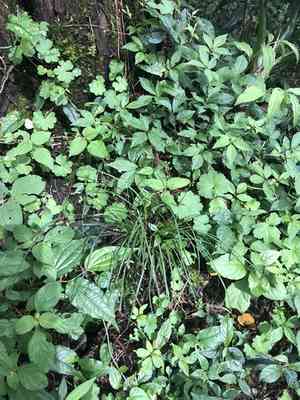
Carex caribbean is a perennial plant resembling grass, recognized for its thick clusters and robust characteristics. The most effective way to propagate it is by dividing the plant, making sure each segment has healthy roots and new growth. This technique guarantees genetic uniformity and improves its ability to thrive in different environments. Gently divide established groupings to encourage successful development. Sufficient moisture and soil that drains well are essential during the early phases. Consistent inspection for infestations and illnesses will sustain its strength.
What Is the Best Time To Propagate Caribbean Sedge?
Propagation Type
Separation
Propagation Season
Spring,Autumn
What Tools Are Used in Caribbean Sedge Propagation?
Sharp Spade or Garden Fork
Utilized for carefully separating the root clumps of caribbean sedge, ensuring minimal harm to the roots, which is crucial for successful propagation. A sharp implement facilitates clean cuts, lowering the risk of infection or shock to the plant.
Hand Pruners
These are vital for trimming any damaged or dead roots during the separation process. Proper trimming encourages healthy new growth and aids the divided parts in establishing more effectively.
Sterilized Potting Mix
A premium, well-draining potting medium supports the healthy root development of caribbean sedge after separation. Sterilization is essential to prevent any soil-borne diseases or pests that could harm the delicate new plants.
Rooting Hormone
Applying rooting hormone to the separated sections of caribbean sedge can enhance root development and improve the overall success rate of propagation. It helps stimulate faster root growth and increases survival chances.
Watering Can with Fine Rose
A watering can fitted with a fine rose is important for gently watering the newly propagated caribbean sedge without disturbing the soil or damaging the young roots. Consistent moisture is key for establishing new divisions.
Labels and Plant Markers
Labeling the new divisions immediately after propagation helps track their progress and ensures proper care routines. Accurate identification prevents mix-ups and aids in monitoring growth and health.
Mulch
Applying a thin layer of mulch around the newly planted divisions of caribbean sedge helps retain soil moisture, regulate temperature, and suppress weeds, providing a better environment for the plants to establish.
How to Propagate Caribbean Sedge?
Propagation Type
Simple
How to Care for Your Newly Propagated Caribbean Sedge?
How to Care for Your Newly Propagated Caribbean Sedge?
Once established, caribbean sedge requires consistent watering to maintain soil moisture, especially during dry spells. It thrives in well-drained, moist to wet soils and prefers partial to full sunlight. Monitor for pests and diseases, and address any issues promptly. Prune dead or damaged foliage to encourage new growth and maintain a healthy appearance.
Common Mistakes to Avoid When Propagating Caribbean Sedge
Overwatering
Excess moisture can lead to root rot, which significantly diminishes the plant's ability to grow and propagate successfully.
Inadequate Drainage
Failing to ensure proper drainage can cause water to pool, leading to root decay and inhibited growth.
Incorrect Soil Type
Using soil that is too dense or poorly aerated can suffocate the roots and impair the plant's development.
Neglecting Sunlight Needs
Not providing adequate light can stunt the plant's growth and adversely affect offspring development.
Improper Cutting Technique
Incorrectly cutting the plant for propagation can damage the parent plant and reduce the success rate of new growth.
Tips For Propagating Caribbean Sedge
Ensure Proper Watering
Maintain a balanced watering schedule to keep the soil moist but not waterlogged, preventing root rot.
Use Well-Draining Soil
Opt for a loose, well-draining soil mix to prevent water accumulation around the roots.
Adequate Sunlight
Place the plant in a location that receives ample indirect light to promote healthy growth.
Healthy Plant Selection
Choose robust and disease-free plants for propagation to ensure the new plants have a strong start.
Proper Cutting Method
Use clean, sharp tools to make precise cuts, reducing the risk of trauma to the plant and increasing the chance of successful propagation.



