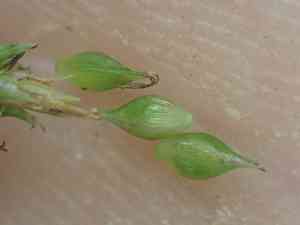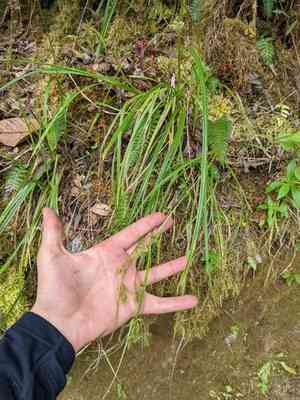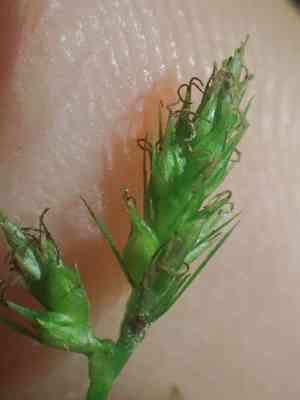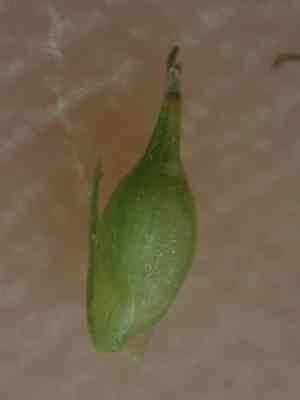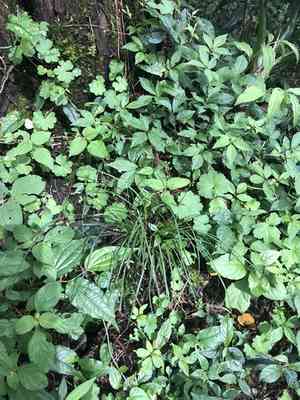
Caribbean sedge(Carex polystachya)

Caribbean sedge (Carex polystachya)

Also known as: Multiple-spiked Sedge

The Caribbean sedge (Cyperus odoratus) is a resilient perennial found in wetland environments. It forms dense, triangular-stemmed clusters, with slender, elongated leaves that are typically bright green. The plant's flower spikes range from green to brown.

Ecologically, Caribbean sedge plays a crucial role by:

1. **Enhancing Water Quality**: Its robust root system filters out pollutants and sediments from water sources.
2. **Preventing Erosion**: The extensive roots help anchor the soil, thereby preventing erosion.
3. **Supporting Wildlife**: It offers essential habitat and nourishment for birds and insects.
4. **Promoting Biodiversity**: Contributes to the diversity of plant species in wetland ecosystems.
5. **Carbon Sequestration**: Helps in capturing and storing carbon, aiding in climate change mitigation.

Attributes of Caribbean sedge

Lifespan
Perennial
Plant Type
Grass
Plant Height
30-60 cm
Spread
Not applicable; it forms tufts rather than crowns.
Leaf Color
Green
Flower Size
Small, less than 1 cm
Flower Color
Greenish to brown

ForwardPlant - Identify plants with a snap

Identify and diagnose plants, get toxicity alerts, and explore safety guides for all types of fungi.

Try for Free

Images of Caribbean sedge

Caribbean sedge(Carex polystachya)

Quickly Identify Caribbean sedge

1
Carex polystachya can be identified by its long, thin leaves, and multiple spikelets that form dense clusters at the top of the stems.

Scientific Classification of Caribbean sedge

Phylum
Vascular plants
Class
Monocotyledons
Order
Poales
Family
Sedge
Genus
True sedges
Species
Caribbean sedge

Planting and Growing of Caribbean sedge

Care Difficulty
Easy
Watering Schedule
Every 3 days
Sunlight Requirements
Partial sun
Sunshine Duration
6-10 hours
Ideal Temperature
65-75℉
Soil Type
Potting Mix, Peat Mix
Soil pH
6.5-7.5
Fertilizer Type
Balanced
Pruning Season
Spring, Summer
Pruning Area
Branches, Leaves
Pruning Frequency
2 times a year
Repotting Season
Spring
Pot Type
Plastic, Ceramic

water icon How to Water Caribbean sedge?

For Carex polystachya, aim to provide approximately 500 milliliters of water per watering session. Ensure that the soil remains consistently damp but not waterlogged. The key is to allow the top inch of soil to dry out slightly before watering again, ensuring healthy growth and avoiding root rot.
What are the symptoms of an underwatered Caribbean sedge?
What should I do if my Caribbean sedge is not getting enough water?
What are the symptoms of an overwatered Caribbean sedge?
How to save an overwatered Caribbean sedge?

sunlight icon What Are the Sunlight Requirements for Caribbean sedge?

Sunlight Requirements: Partial sun, Full shade
Duration of light: 2 to 4 hours
Partial sun to full shade provides Carex polystachya with the light range needed for optimal health. This balance ensures healthy growth and reduces stress, leading to a robust and aesthetically pleasing plant.
What is the perfect light condition for Carex polystachya?
What solutions ensure optimal light for Carex polystachya?
How does Carex polystachya benefit from ideal lighting?

temperature icon What Is the Ideal Temperature Range for Caribbean sedge?

Ideal Temperature: 65 ~ 75℉
The ideal temperature range for growing Carex polystachya is between 65°F and 75°F. This range provides optimal conditions for the plant's photosynthesis process, encouraging healthy growth and development. Staying within this range will help prevent stress and ensure the plant thrives in its environment.

soil icon What Soil is Best for Caribbean sedge?

Soil type: Loam, Sandy loam
Soil PH: 6.5 ~ 7.5
Carex polystachya thrives in loamy soil that is rich in nutrients. This type of soil provides a balanced supply of nutrients essential for plant growth, enhancing both the health and vigor of the plant. Ensuring that the soil has good drainage is crucial for Carex polystachya. Well-drained soil helps prevent waterlogging, which could lead to root rot. Thus, it aids in keeping the roots healthy and the plant strong. While drainage is important, retaining enough moisture is equally essential. Loamy soil retains the right amount of moisture, keeping the plant hydrated without overwhelming the roots.

fertilize icon How to Fertilize Caribbean sedge?

Fertilizer type: Balanced
For Carex polystachya, apply liquid fertilizer in a concentration of half the recommended dose per the product label. This reduction helps prevent root burn and promotes gentle growth. The plant’s natural habitat often features nutrient-poor soils, so a moderate approach is ideal.

prune icon How to Prune Caribbean sedge?

Pruning Time: Spring, Summer, Autumn
Ensure you are using the correct tools for the job. Small hand pruners are ideal for tackling Carex polystachya. They allow you to get in close to the plant, providing clean cuts without damaging surrounding foliage. Pruning isn't just about aesthetics, it’s about the health of Carex polystachya. Regular pruning allows light and air to penetrate the plant more easily, reducing the risk of fungal diseases that thrive in dense, damp environments. After pruning, apply a layer of mulch around the base to conserve moisture and suppress weeds. This creates an environment conducive to recovery and growth, ensuring the plant remains vibrant and healthy. More About Pruning Techniques

propagate icon How to Propagate Caribbean sedge plant?

Propagate Time: Spring, Early spring
1
Begin by filling your seed trays with a quality seed starting mix. Gently press the Carex polystachya seeds into the surface and lightly cover them with soil. Water the trays carefully to keep the seeds moist but not waterlogged.
2
Choose a mature Carex polystachya plant for division. Water the plant thoroughly the day before you intend to divide it. This helps reduce shock and makes the soil easier to work with.
3
Using a garden fork, carefully lift the plant from the soil. Separate the root clump into smaller sections, ensuring each section has healthy roots and shoots. Replant the divisions into prepared soil immediately.
More About Propagating Techniques

repot icon How to Repot Caribbean sedge plant?

Repotting frequency: Every 1-2 years
1
Carex polystachya typically needs repotting every 1-2 years, or when you notice its roots starting to grow out of the drainage holes. Also, if the plant seems top-heavy or its growth has slowed down significantly, it's a sign that repotting is due. These signals indicate that the plant requires more space to thrive.
2
Select a pot that is one size larger than the current one, with ample drainage holes. Ensure it's sturdy enough to support the plant's growth. A good pot allows for proper water drainage, preventing root rot and providing roots with ample space for further growth, which in turn encourages healthier, more vigorous plant development.
3
Opt for a well-draining, sandy rich soil mix. This kind of soil ensures that the plant's roots get ample oxygen while also retaining the necessary nutrients for growth. The sandy texture helps prevent waterlogging, decreasing the risk of root rot and promoting a healthy root system.

ForwardPlant - Identify plants with a snap

Find the best spots for them to optimize their health, simply using your phone.

Try for Free