How to Transplant Pill-headed sedge?
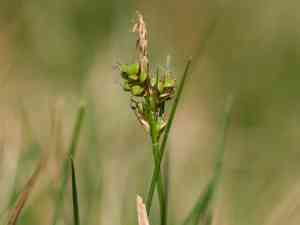
For a smooth establishment of pill-headed sedge, target the revitalizing months of early to mid-spring. Choose spots offering dappled sunlight and soil that drains effectively. Gradually introduce pill-headed sedge to its fresh surroundings to encourage peak development.
Essential Preparations Before Relocating Pill-headed Sedge
Optimal Timing for Moving Pill-headed Sedge?
The best period to move pill-headed sedge is during the revitalizing phase of early to mid-spring. This timing aligns with its natural growth cycle, promoting strong root development. Transplanting pill-headed sedge in these months takes advantage of cool, damp soil conditions ideal for root growth, while milder temperatures aid gradual adjustment. Furthermore, the upcoming growing season offers ample time for pill-headed sedge to establish itself before the rigors of summer heat. This strategic approach sets the stage for a thriving plant throughout the year.
Recommended Spacing Between Pill-headed Sedge Plants?
Allow each pill-headed sedge sufficient room to spread and flourish. Ideally, position them 1-2 feet (30-60 cm) apart. This spacing supports healthy growth and provides adequate area for maintenance.
Ideal Soil Mixture for Transplanting Pill-headed Sedge?
Prior to planting, prepare well-draining garden soil enriched with compost or a foundational fertilizer. Pill-headed sedge prefers this for its roots to penetrate and establish.
Where to Replant Your Pill-headed Sedge?
Plan to move the pill-headed sedge to a spot with partial shade. This plant enjoys sunlight, but excessive exposure can be detrimental. A location with filtered light is perfect!
Tools Required Before Transplanting Pill-headed Sedge?
Gardening gloves
To protect your hands while handling soil and the plant.
Shovel or spade
For excavating the hole and removing soil around and beneath the pill-headed sedge's root ball at its original site.
Gardening trowel
To assist in lifting the pill-headed sedge from its container, if initially potted, without harming the roots.
Planting dibber
To create a hole for the seedling if it was first grown in a tray.
Wheelbarrow or garden cart
For transporting the pill-headed sedge from its initial spot to the new planting area.
Watering can or hose
For thoroughly watering the pill-headed sedge after relocation.
How to Extract Pill-headed Sedge from the Ground?
How to Extract Pill-headed Sedge from the Ground?
From Ground: First, water the pill-headed sedge to moisten the soil. Then, dig a wide trench around the plant using a shovel or spade, ensuring the plant's root ball remains undisturbed. Carefully work the spade under the root ball to lift the pill-headed sedge.From Pot: If the pill-headed sedge is in a container, you can water it beforehand. Next, invert the pot, gently hold the plant's base, and give it a soft shake to release it, making sure the root ball stays intact.From Seedling Tray: If pill-headed sedge is from a seedling tray, gently push the bottom of the individual cell upwards. Be careful not to damage the roots, and remember to hold it by the leaf, not the stem.
Step-by-Step Guide for Relocating Pill-headed Sedge
Hole Preparation
Dig a hole at the new site that is 2-3 times wider and the same depth as your pill-headed sedge's original root ball using your shovel or spade.
Plant Positioning
Carefully place the pill-headed sedge in the hole, ensuring it stands upright. The top of the root ball should be level with the ground surface.
Soil Refill
Backfill the hole with soil, applying gentle pressure to eliminate air pockets, without overly compacting the soil.
Watering
Water thoroughly immediately after planting. This helps settle the soil around the roots and aids in recovery from transplant shock.
Mulching
Spread a 2-3 inch layer of mulch around the base of the pill-headed sedge (not touching the stem) to help retain moisture and regulate soil temperature.
Post-Transplant Care for Pill-headed Sedge
Watering
Ensure the soil around the pill-headed sedge stays moist (but not waterlogged) for the initial few weeks after transplanting to encourage robust root establishment.
Pruning
One week after transplanting, you may prune the pill-headed sedge if necessary. This helps it conserve energy for root and foliage development.
Monitoring
Regularly observe the pill-headed sedge for any indications of transplant shock, such as wilting leaves or a lack of new growth. Responses to transplanting can vary greatly, so vigilance is important.
Protection
Shield the pill-headed sedge from strong winds and intense sunlight for the first few days post-transplant to prevent stress.
Addressing Common Issues with Pill-headed Sedge Relocation.
When is the optimal time to move pill-headed sedge?
The best period to move pill-headed sedge is during seasons S1-S2. A helpful tip is to transplant when the weather shifts from hot to mild, or cold to warm.
What should be the ideal spacing between each pill-headed sedge when planting?
Provide a comfortable space for your pill-headed sedge with 1-2 feet (30-60 cm) between each plant. This distance promotes healthy growth and prevents overcrowding.
How deep should I dig when transplanting pill-headed sedge?
Typically, dig a hole twice the size of its original pot or the pill-headed sedge's root ball. This allows roots to spread and become established.
What's the ideal soil for transplanting pill-headed sedge?
Pill-headed sedge thrives in well-drained soil rich in organic matter. Adding compost can boost soil fertility and enhance the plant's growth.
How should I water pill-headed sedge after transplanting?
Water the pill-headed sedge generously immediately after transplanting, ensuring the soil remains moist but not saturated. Regular, deep watering is preferred over frequent, shallow applications.
How should I care for my pill-headed sedge after transplant?
Post-transplant, keep your pill-headed sedge in partial shade for the initial few days. Gradually introduce it to sunlight. Consistent watering is crucial. Monitor for pests and diseases.
Should I fertilize pill-headed sedge after transplanting?
Pill-headed sedge will benefit from a light application of a balanced, slow-release fertilizer after transplanting. This supplies essential nutrients and boosts its growth and overall health.
Can I transplant pill-headed sedge if it has started to bloom?
While possible, it's best to avoid moving pill-headed sedge during its blooming period as it can stress the plant. Transplant before flowering or after the petals have fallen.
Why is my transplanted pill-headed sedge wilting and how can I fix it?
Wilting after transplanting can indicate shock. Minimize stress by ensuring proper watering, protection from strong winds, and temperature extremes. Keep it under partial shade initially.
Can I propagate pill-headed sedge through division during transplant?
Absolutely! Pill-headed sedge can be propagated by division when transplanting. Split the plant into several sections, ensuring each has roots. Replant these sections under the same conditions.



