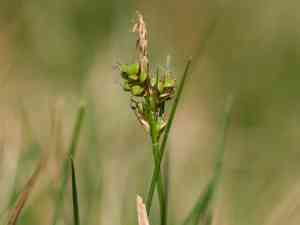
Pill-headed sedge (Carex pilulifera)
Also known as: Pill Sedge
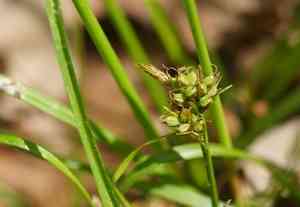
The pill-headed sedge (Carex pilulifera) produces fruits that are clustered either at the tip of the stem or near the base of the male flower. When the seeds mature, the plant's stalks bend, allowing the seeds to come into contact with the ground. Ants are attracted to and carry away these seeds, thanks to the nutritious elaiosomes attached to them. After transporting the seeds to their nests, ants consume the elaiosomes, and the seeds are then discarded in nutrient-rich areas, which promotes their germination. Some seeds may also be consumed by other insects.
In This Article
Attributes of Pill-headed sedge
Lifespan
Perennial
Plant Type
Grass
Plant Height
8 cm to 30 cm
Spread
15 cm
Leaf Color
Green
Flower Size
1 cm to 4 cm
Flower Color
Yellow Green Purple Brown
Images of Pill-headed sedge
Quickly Identify Pill-headed sedge
1
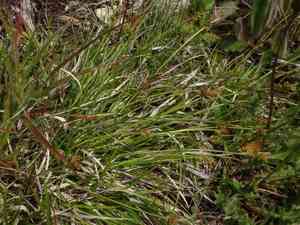
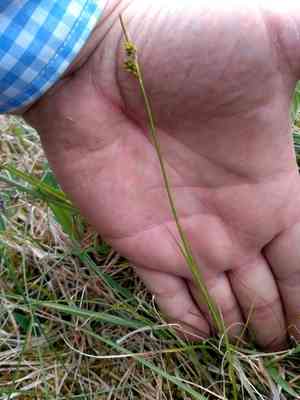
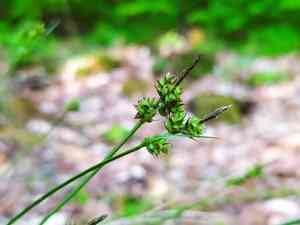
Carex pilulifera can be identified by its distinctive clumped growth habit, narrow grass-like leaves, and small, rounded spikes that turn blackish as they mature. The flower spikes are typically positioned on slender stems above the foliage.
Scientific Classification of Pill-headed sedge
Phylum
Vascular plants
Class
Monocotyledons
Order
Poales
Family
Sedge
Genus
True sedges
Species
Pill-headed sedge
Planting and Growing of Pill-headed sedge
Care Difficulty
Easy
Watering Schedule
Every 4 days
Sunlight Requirements
Partial sun
Sunshine Duration
4-6 hours
Ideal Temperature
50-75℉
Soil Type
Potting Mix, Peat Mix
Soil pH
4.5-6.5
Fertilizer Type
Balanced
Pruning Season
Spring, Summer
Pruning Area
Branches, Leaves
Pruning Frequency
2 times a year
Repotting Season
Spring
Pot Type
Plastic, Ceramic
 How to Water Pill-headed sedge?
The watering amount for Carex pilulifera should typically be around 200 ml per session. This amount ensures the soil is sufficiently moist without being soggy, which can harm the plant. Aim for the water to penetrate just before it begins pooling above the soil surface and allowing some time for it to drain through to avoid waterlogging.
What are the symptoms of an underwatered Pill-headed sedge?
›
What should I do if my Pill-headed sedge is not getting enough water?
›
What are the symptoms of an overwatered Pill-headed sedge?
›
How to save an overwatered Pill-headed sedge?
›
 What Are the Sunlight Requirements for Pill-headed sedge?
Partial sun, meaning 4-6 hours of light, benefits Carex pilulifera by supporting robust growth and healthy foliage.
More About Sunlight Requirements Techniques→
What is the best lighting solution?
›
How do I achieve this lighting condition?
›
What are the benefits of ideal lighting?
›
 What Is the Ideal Temperature Range for Pill-headed sedge?
For optimal growth, Carex pilulifera thrives best in temperatures ranging from 50°F to 75°F. This range ensures adequate warmth for photosynthesis without causing stress from heat, enabling robust development.
 What Soil is Best for Pill-headed sedge?
Carex pilulifera thrives in well-drained soil, ensuring that roots can access oxygen and essential nutrients without the risk of water-logging which can lead to root rot. The soil must retain some moisture, helping the plant through dry spells without resorting to frequent watering, promoting stress-free growth. A fertile, nutrient-rich soil supports robust growth and enhances the plant's resistance to diseases and environmental stresses, optimizing its health.
 How to Fertilize Pill-headed sedge?
Carex pilulifera, commonly known as pill sedge, thrives in nutrient-poor conditions. Therefore, it requires only a minimal amount of fertilization. A well-balanced, half-diluted liquid fertilizer is ideal, applied at a rate of approximately 10 ml per 1 liter of water. For slow-release granules, use a quantity that releases nutrients slowly over the year, ensuring it doesn't exceed 10 grams per plant annually. Precision is key to avoid stress on the plant.
 How to Prune Pill-headed sedge?
When pruning Carex pilulifera, ensure that you use sharp, sterilized shears to make clean cuts. Trim back the foliage by up to one-third to encourage bushier growth and to help remove any diseased or dying leaves. This grass responds well to trimming and can efficiently rejuvenate when cut back thoughtfully.
More About Pruning Techniques→
 How to Propagate Pill-headed sedge plant?
1
Begin by preparing a well-draining seedbed using a mixture of garden soil and compost. Ensure the bed is moist, but not waterlogged, to provide optimal conditions for seed germination.
2
Scatter the seeds on the prepared seedbed surface and lightly cover them with a thin layer of soil. Maintain consistent moisture levels to facilitate successful germination.
3
During early spring, use a garden fork to carefully lift the entire plant clump. Divide the plant into smaller sections, making sure each section has a healthy root system before replanting.
 How to Repot Pill-headed sedge plant?
1
It's time to repot your Carex pilulifera when you notice roots poking through the drainage holes or circling the pot. Additionally, if the plant starts to show signs of slow growth or the soil seems compacted and dries out faster than usual, it's a signal that it needs more space to thrive.
2
Select a pot that is about one size larger than the current one. This gives the roots enough space to grow without overwhelming the plant with too much soil, which can retain excess water. Opt for pots with good drainage holes to prevent waterlogging, which is crucial for the health of Carex pilulifera.
3
Carex pilulifera thrives in a free-draining, loamy soil mix that balances moisture retention and aeration. This soil type ensures the roots have access to both nutrients and oxygen, promoting healthy growth and minimizing the risk of root rot.



