How Much Sunlight Do Pill-headed sedge Need?
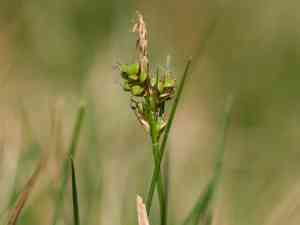
1
Pill-headed sedge thrives in bright sunlight, needing over six hours of direct sun each day.
2
This species is adaptable to partial sun, allowing for placement in various garden locations.
3
Adequate hydration combined with sun exposure helps protect Pill-headed sedge from scorching and heat damage.
The Importance of Sunlight for Pill-headed Sedge
Photosynthesis in Pill-headed Sedge
Sunlight is vital for photosynthesis, the process by which Pill-headed sedge creates the energy required for its growth. During this process, the plant's leaves absorb solar energy, converting it into chemical energy. This energy fuels the plant's development and produces glucose for its metabolism. Without adequate sunlight, Pill-headed sedge cannot photosynthesize effectively.
Impact on Development and Growth
Sunlight directly affects the growth and development of Pill-headed sedge. Like other plants, it needs light to increase in height, produce leaves, and strengthen its root system. Sufficient sunlight ensures robust and healthy development, leading to denser foliage and more substantial roots. Insufficient light can hinder growth, resulting in a weaker plant structure and fewer leaves.
Optimal Sunlight Conditions for Pill-headed Sedge
Ideal Sunlight Duration
Pill-headed sedge thrives best with full sun exposure, receiving over 6 hours of direct sunlight daily. This duration supports its photosynthetic activities and overall vigor, making it crucial to place the plant in a sunny garden spot.
Preferred Sunlight Intensity
While full sunlight is optimal, Pill-headed sedge can tolerate partial sun. This means it can manage with less intense light for part of the day, but for peak growth and health, more intense, direct sunlight is preferred. If the plant's location gets full sunlight during the most critical period, typically late morning to mid-afternoon, it will flourish.
Best Planting Locations for Pill-headed Sedge
Selecting the correct garden spot is essential. Pill-headed sedge should be planted in areas that receive ample sunlight, such as south-facing positions that avoid excessive shade from structures or large trees. If your garden has spots with at least 6 hours of sunlight, especially in the early afternoon, Pill-headed sedge will thrive there.
Managing Insufficient Sunlight for Pill-headed Sedge
Identifying Low Light Symptoms
Understanding how Pill-headed sedge reacts to low light is crucial. Signs include slowed growth, yellowing leaves, and a leggy appearance. These symptoms indicate the plant isn't receiving enough light for healthy growth and photosynthesis.
Solutions for Low Light Conditions
If you suspect your Pill-headed sedge is suffering from low light, consider relocating it to a sunnier spot. Supplementing natural light with grow lights can also help, especially during shorter winter days. Reflective surfaces or lighter-colored pots can direct more sunlight to the plant, increasing its exposure.
Protecting Pill-headed Sedge from Excessive Sunlight
Recognizing Sunburn and Heat Stress
Too much sunlight, particularly during intense, peak periods, can cause sunburn or heat stress in Pill-headed sedge. Symptoms include scorched, brown-tipped leaves, and wilting, even if the soil is moist. Early recognition of these signs allows for prompt corrective action.
Effective Shading Methods
Protecting Pill-headed sedge from extreme sunlight involves strategic shading. Use shade cloths or position the plant near taller plants that can provide filtered light during the hottest parts of the day. These methods help reduce direct sunlight intensity without depriving the plant of necessary light.
Watering Advice During High Sunlight Exposure
In high sunlight conditions, maintain consistent watering to prevent the soil from drying out. Morning watering is recommended to ensure the plant is hydrated before the day's heat. Mulching around the base can also help retain soil moisture, protecting the roots from excessive heat.



