How to Prune Pill-headed sedge?
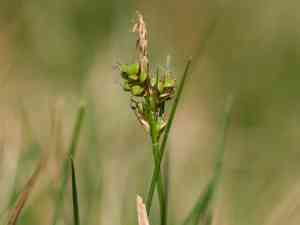
This clump-forming perennial, characterized by its spherical, spiky flower heads, generally requires no routine trimming. Nevertheless, to preserve its dense shape, it's advisable to eliminate any deceased or withered leaves. Performing this maintenance in early spring or during winter aids its natural development. Removing spent flower stalks can deter unwanted self-propagation and foster a more robust, bushy appearance. Always employ sharp, sterilized implements to achieve precise cuts and avert the transmission of pathogens. Periodic pruning also offers a chance to manage its expansion within cultivated areas.
What Are the Benefits of Pruning Pill-headed Sedge?
What Are the Benefits of Pruning Pill-headed Sedge?
Trimming pill-headed sedge promotes robust development and helps maintain its desired shape. Regular cutting eliminates dead or overgrown sections, encouraging a healthier and neater appearance while improving air circulation and light exposure.
What Is the Best Time for Pruning Pill-headed Sedge?
What Is the Best Time for Pruning Pill-headed Sedge?
Pruning or trimming pill-headed sedge in early spring is ideal, typically just before the growth season begins. At this point, pill-headed sedge is still dormant, which reduces plant stress and minimizes the risk of pruning-related damage. Additionally, removing dead or damaged foliage before new growth starts helps direct the plant's energy into producing healthy new shoots. Winter is also a suitable time for pruning pill-headed sedge as it remains dormant. Pruning then can help maintain the desired shape and size of pill-headed sedge, and enhance air circulation within its structure, which is crucial for preventing fungal diseases. It is important to avoid pruning pill-headed sedge during its active growth phase, especially during flowering or fruiting, as this can hinder these processes and potentially harm the plant's health.
What Tools Do I Need to Prune Pill-headed Sedge?
Hand Pruners
These are perfect for selectively thinning out pill-headed sedge's foliage. They enable precise cuts that help preserve the plant's natural form while removing dead or damaged leaves. Opt for bypass pruners for their clean, gentle cuts, which benefit pill-headed sedge's health.
Grass Shears
Excellent for trimming and shaping pill-headed sedge, especially when more detailed cuts are needed around edges or in smaller areas. Grass shears offer the necessary precision without disturbing the rest of the plant's structure.
Scissors
For minor maintenance or the removal of small, delicate parts of pill-headed sedge, a sharp pair of scissors can be useful for snipping without causing unnecessary damage to the surrounding foliage.
How to Prune Pill-headed Sedge
Clean tools
Before starting, ensure all pruning tools are clean and sharp to prevent disease spread and to make clean cuts that pill-headed sedge can heal from more effectively.
Identify
Carefully inspect pill-headed sedge for diseased or withered leaves. Severe infestations or diseases might necessitate additional treatment or removal of more of the plant.
Sanitize
Consider applying a sanitizing spray or solution to the areas of pill-headed sedge from which you'll be removing parts, to minimize the chance of disease spread.
Trim diseased leaves
Using precision pruning shears, trim away the diseased leaves from pill-headed sedge by cutting at the base of the affected leaf. Dispose of these leaves to prevent spreading pathogens.
Trim withered leaves
Similarly, remove withered leaves from pill-headed sedge to promote healthy growth and a pleasing appearance by pruning them at the base just like the diseased leaves.
Common Pruning Mistakes with Pill-headed Sedge
Overpruning
Removing too much foliage from pill-headed sedge can shock the plant, potentially leading to poor growth or even death. It is important to prune conservatively, as this species doesn't regenerate quickly if cut back too hard.
Improper tools
Using dull or dirty pruning tools can cause unnecessary damage to the plant's structure. This can make pill-headed sedge more susceptible to diseases and pests.
Poor technique
Cutting in the wrong place may harm the crown of pill-headed sedge, which is vital for new growth. Pruning should be done with precision, aiming not to damage the crown or the new shoots.
Neglecting plant health
Pruning pill-headed sedge without considering its health can exacerbate issues. Weak or diseased portions should be pruned to maintain plant vigour, but over-pruning healthy sections can be detrimental.
Common Pruning Tips for Pill-headed Sedge
Sharp tools
Always use sharp, clean pruning shears or scissors to ensure clean cuts that will heal quickly, reducing stress on pill-headed sedge and lowering the risk of disease.
Minimalist approach
Adopt a minimalist approach to pruning pill-headed sedge. Remove only dead or yellowed foliage to maintain the plant's natural shape and promote healthy growth.
Gentle handling
Handle pill-headed sedge gently when pruning. This plant's roots and crowns are sensitive, so take care not to disturb these areas excessively while pruning.
Targeted pruning
Focus pruning on the foliage that is clearly dead or damaged. Snip these areas at the base, close to the soil level, to tidy up the plant without impacting the healthy, green growth.



