How to Transplant Woolly sedge?
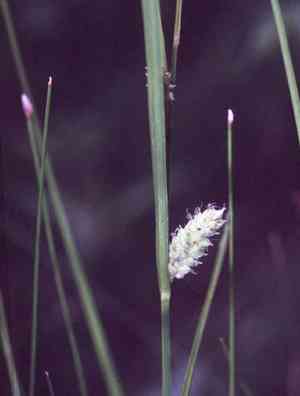
Relocate woolly sedge during temperate periods, generally from the resurgence of late spring into the mild commencement of early summer, or as autumnal shades transition to the initial stages of winter dormancy. Select a site featuring damp, adequately draining earth, safeguarding woolly sedge from strong gusts. Attentive nurturing throughout these periods guarantees successful integration.
What Preparations are Needed Before Transplanting Woolly Sedge?
What is the Ideal Time for Transplanting Woolly Sedge?
The optimal time for relocating woolly sedge is from the onset of late spring to the gentle transition of early summer, or during the calm of late autumn to the initial chill of early winter. Moving woolly sedge during these periods aligns with its natural growth cycle, promoting robust root development without the strain of harsh temperatures. This timing allows woolly sedge to adapt and flourish, setting the stage for a vibrant presence in your garden.
How Much Space Should You Leave Between Woolly Sedge Plants?
When rehousing woolly sedge, providing a clearance of approximately 1 to 2 feet (30 to 60 cm) between each specimen will ensure ample room for their development.
What is the Best Soil Mix for Woolly Sedge Transplanting?
Woolly sedge thrives in moist, well-drained soil. Prior to transplanting, incorporate organic material such as compost to provide a nutrient-rich foundation. A balanced, slow-release fertilizer will also aid in their vigorous growth.
Where Should You Relocate Your Woolly Sedge?
Choose a location for woolly sedge where it can receive full sun to partial shade. Ensuring adequate light exposure will contribute to its healthy and vigorous growth.
What Equipments Should You Prepare Before Transplantation Woolly Sedge?
Gardening Gloves
To safeguard your hands while handling soil and plants.
Shovel or Spade
For excavating the plant and preparing the new planting site.
Watering Can or Hose
To hydrate the plant during and after the relocation process.
Wheelbarrow or Garden Cart
To move the plant and soil efficiently.
Garden Fork
To loosen and aerate the soil at the new location.
Pruning Shears
For trimming any damaged roots or foliage.
Measuring Tape
To ensure correct spacing between transplanted specimens.
Mulch
To help maintain soil moisture and temperature post-transplant.
How Do You Remove Woolly Sedge from the Soil?
How Do You Remove Woolly Sedge from the Soil?
From Ground: First, irrigate the woolly sedge to moisten the soil, facilitating easier plant removal. Dig a circular trench around the plant, wider than the estimated root ball, using a shovel or spade. Gently maneuver the tool beneath the plant to lift the intact root ball from the ground.From Pot: Water the woolly sedge beforehand to ease removal and minimize shock. Incline the pot sideways and gently tap the base to loosen the soil. Use your hands to support the plant and carefully extract it from the pot. If roots are circling, gently untangle them.From Seedling Tray: Lightly water the woolly sedge to keep the root ball cohesive. Employ a small spade or trowel to scoop the plant from its individual cell, taking care not to harm the roots or stem.
Step-by-Step Guide for Transplanting Woolly Sedge
Preparation
Select a cool or overcast day for transplanting to minimize stress on the woolly sedge. Water the plant thoroughly before beginning the process to ensure it is well-hydrated. Prepare the new site by digging a hole slightly larger than the root ball and loosening the surrounding soil with a garden fork.
Plant Removal
Utilize the appropriate method based on the woolly sedge's current growing locationâground, pot, or seedling tray. Ensure you preserve as much of the root system as possible during plant extraction.
Hole Adjustment
Position the woolly sedge's root ball in the new hole to verify its size. The top of the root ball should be level with the surrounding ground. Adjust the depth of the hole if necessary.
Transplanting
Carefully lower the woolly sedge into the center of the hole. Backfill the hole with soil, gently firming it around the root ball. Water the area to settle the soil and eliminate any air pockets.
Stabilizing
If the woolly sedge is tall or top-heavy, consider providing stakes to help it remain upright and stable against wind until its roots are established (this is typically only needed for larger plants).
Mulching
Apply a layer of mulch around the base of the woolly sedge, avoiding direct contact with the stems, to help maintain soil moisture and temperature levels.
How Do You Care For Woolly Sedge After Transplanting?
Watering
Water consistently to maintain uniform moisture around the woolly sedge, aiding the establishment of new roots in its new location. Adjust your irrigation schedule based on precipitation and temperature; the aim is to keep the soil moist but well-drained.
Monitoring
Observe the woolly sedge for indications of transplant shock, such as wilting or yellowing leaves. Some degree of stress is normal, but diligent care will facilitate its recovery.
Adjustments
If the woolly sedge is not thriving, minor adjustments may be necessary, such as additional support or increased watering. Remaining attentive during the initial weeks is crucial for successful transplanting.
Pruning
Remove any dead or damaged foliage to redirect the woolly sedge's energy towards developing its root system and new growth.
Troubleshooting Common Issues with Woolly Sedge Transplantation.
What's the best timing for transplanting woolly sedge?
Relocate woolly sedge during late spring to early summer or late fall to early winter to ensure successful establishment.
How far apart should woolly sedge be spaced when transplanting?
Space woolly sedge approximately 1 to 2 feet (30 to 60 cm) apart to allow for adequate growth and spread.
Why is my woolly sedge wilting after transplanting?
Wilting can occur if woolly sedge is not sufficiently watered post-transplant or due to transplant shock. Ensure consistent moisture and prevent prolonged dry conditions.
Can woolly sedge be transplanted during the growing season?
Yes, but it's preferable to transplant during the recommended periods to minimize stress and enhance success.
How deep should I dig to transplant woolly sedge?
Excavate a hole that is twice as wide as the root ball and equally deep to accommodate woolly sedge's root system without crowding.
What soil type is best for transplanting woolly sedge?
Utilize well-draining soil rich in organic matter to promote healthy growth after transplanting.
How should I handle woolly sedge's roots during transplanting?
Gently untangle the roots if they are pot-bound and spread them out in the planting hole to encourage outward growth.
Should I prune woolly sedge before transplanting?
Pruning is not typically necessary, but you can remove dead or damaged foliage to encourage healthy regrowth.
What should I do if woolly sedge doesn't establish after transplanting?
Ensure proper care, such as adequate watering, suitable soil, and protection from extreme weather. If it doesn't improve, consult a local horticulturist.
How much sunlight does woolly sedge need after transplanting?
Plant woolly sedge in an area that receives full to partial sunlight to match its natural habitat for optimal growth.



