How to Prune Woolly sedge?
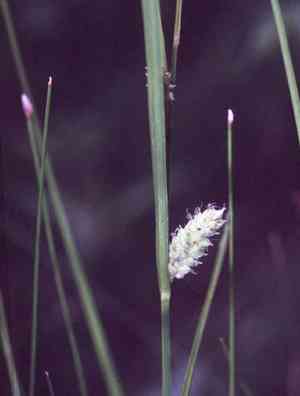
Woolly sedge, a resilient, water-loving perennial grass, flourishes in marshy environments, characterized by its clustered, downy aspect. Trimming is best performed in early spring or during winter, prior to the onset of vigorous development, to preserve the plant's vitality and attractive shape. Sever withered leaves at their base to stimulate fresh sprouts. This practice also controls its dimensions and inhibits natural dissemination. Executing this maintenance ensures the plant retains its thick, structured appearance and promotes its overall well-being.
What Are the Benefits of Pruning Woolly Sedge?
What Are the Benefits of Pruning Woolly Sedge?
Trimming woolly sedge promotes vigorous development by eliminating dead or damaged leaves, thereby enhancing air circulation and light exposure. Regular cutting ensures woolly sedge maintains a neat form, crucial for aesthetic appeal and garden design.
What Is the Best Time for Pruning Woolly Sedge?
What Is the Best Time for Pruning Woolly Sedge?
Pruning woolly sedge in early spring is ideal as it coincides with the end of its dormant phase and prepares the plant for new growth. This timing fosters healthier, more robust growth during the active season. Winter trimming is also suitable, particularly in late winter, as it reduces the risk of disease transmission and pest infestation, which are less active in colder temperatures. These periods allow gardeners to remove dead or damaged foliage without stressing woolly sedge, ensuring the plant retains its shape and vitality without affecting its natural growth cycle or flowering period.
What Tools Do I Need to Prune Woolly Sedge?
Sharp Scissors or Hand Pruners
The leaves of woolly sedge can be thick, making sharp scissors or hand pruners perfect for precise cuts without harming the plants. They enable clean cuts that aid in the rapid healing of trimmed areas.
Grass Shears
For trimming the grassy foliage of woolly sedge, especially when dealing with larger clumps, grass shears are highly effective. Given woolly sedge's mounding habit, grass shears can neatly shape the plant.
Long-Handled Loppers
If precisely cutting thicker, tougher parts of woolly sedge, long-handled loppers offer leverage and can reach into dense plant areas without causing strain to the gardener. This can be crucial for thinning out the center of large clumps.
Garden Gloves
While not a cutting tool, wearing garden gloves is essential when handling woolly sedge to protect hands from sharp edges and potential skin irritation from sap.
How to Prune Woolly Sedge
Disinfect tools
Before beginning the pruning process, sanitize all pruning tools to prevent the spread of diseases to woolly sedge. Clean the tools with a solution of one part bleach to nine parts water or use rubbing alcohol for sterilization.
Identify trim parts
Examine woolly sedge closely to identify diseased and withered leaves that require removal. Diseased leaves may show discoloration, spots, or deformities, while withered leaves are typically dry, brown, or crumpled.
Prune diseased
Using sharp scissors or pruning shears, carefully remove the diseased leaves from woolly sedge by cutting at the base of the leaf where it meets the stem. Be sure to cut cleanly to avoid damaging the plant's stem.
Prune withered
Similarly, remove withered leaves from woolly sedge by cutting them at the base. Withered leaves are not transferring nutrients efficiently and can divert energy away from the plant's growth.
Cleanup
After pruning, gather all removed leaves and dispose of them properly to prevent any potential disease from spreading in the garden. Sterilize the tools once again after finishing the pruning process.
Common Pruning Mistakes with Woolly Sedge
Over-pruning
Removing too much foliage at once can stress woolly sedge, limiting its ability to photosynthesize and weakening its overall health.
Improper tools
Using dull or dirty pruning tools can result in jagged cuts that make woolly sedge susceptible to pests and diseases.
Neglecting dead material
Failing to remove dead or diseased foliage from woolly sedge can hinder new growth and potentially spread disease to healthy parts of the plant.
Pruning for shape
Attempting to prune woolly sedge into unnatural shapes can damage the plant's natural growth habit and lead to unsightly appearances.
Common Pruning Tips for Woolly Sedge
Sharp Tools
Always use sharp, clean pruning shears to make clean cuts that will heal quickly and minimize stress on woolly sedge.
Selective Pruning
Carefully select only the foliage that is dead, diseased, or overcrowded to prune. This will help maintain the health and natural form of woolly sedge.
Post-Bloom Pruning
Prune woolly sedge after it has finished flowering to remove spent flower heads, which encourages future blooming and prevents unwanted self-seeding.
Crown Thinning
Thin out the center of woolly sedge if it becomes too dense, to increase air circulation and light penetration, which promotes healthy growth.



