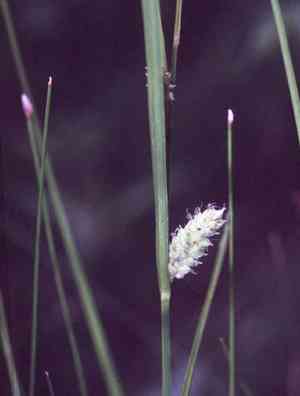
Woolly sedge (Carex pellita)
Also known as: Woolly Sedge, Hairy Sedge
Woolly sedge (Carex pellita) is valuable for the environment in several ways:
1. **Pollutant Absorption**: It effectively absorbs contaminants from runoff water, enhancing water quality.
2. **Erosion Mitigation**: Its robust root system significantly reduces soil erosion, especially in wetland areas.
3. **Wildlife Support**: Acts as a crucial food source for a variety of insects and waterfowl, while also being available, though not preferred, for livestock consumption.
4. **Habitat Formation**: Capable of spreading through rhizomes to form extensive colonies, providing stable habitats for diverse species.
In This Article
Attributes of Woolly sedge
Lifespan
Perennial
Plant Type
Grass
Plant Height
15 cm to 1.02 m
Spread
30 cm to 45 cm
Leaf Color
Green
Flower Size
Approximately 1-3 mm per spikelet
Flower Color
Yellow Green Brown
Images of Woolly sedge
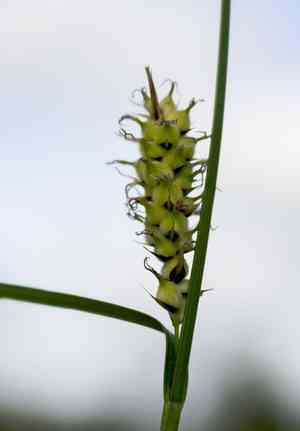
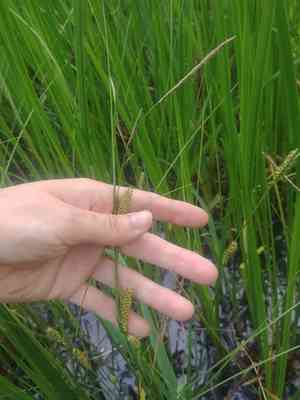
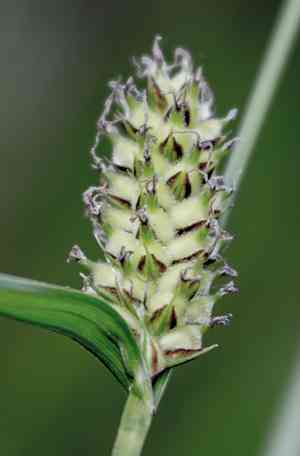
Quickly Identify Woolly sedge
1
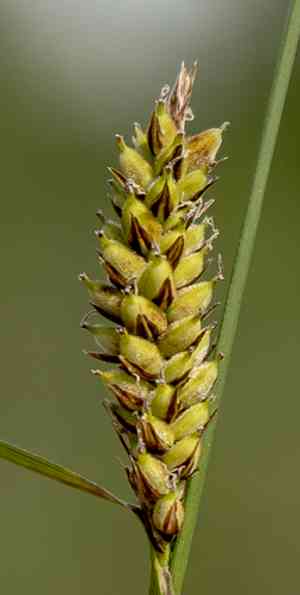
Carex pellita can be identified by its densely woolly or hairy leaf sheaths, elongated and triangular stems, and the presence of spikelets clustered at the top. Observing these characteristics in a wetland habitat is a good indicator of its presence.
Scientific Classification of Woolly sedge
Phylum
Vascular plants
Class
Monocotyledons
Order
Poales
Family
Sedge
Genus
True sedges
Species
Woolly sedge
Planting and Growing of Woolly sedge
Care Difficulty
Easy
Watering Schedule
Every 2 days
Sunlight Requirements
Partial sun
Sunshine Duration
4-6 hours
Ideal Temperature
60-75℉
Soil Type
Potting Mix, Peat Mix
Soil pH
6.5-7.5
Fertilizer Type
Balanced
Pruning Season
Spring, Summer
Pruning Area
Branches, Leaves
Pruning Frequency
Once a year
Repotting Season
Spring
Pot Type
Terracotta, Plastic
 How to Water Woolly sedge?
For Carex pellita, you should aim to provide about 250 milliliters of water per session. The goal is to moisten the soil evenly without making it waterlogged, maintaining a consistent moisture level to mimic its natural wetland habitat.
What are the symptoms of an underwatered Woolly sedge?
›
What should I do if my Woolly sedge is not getting enough water?
›
What are the symptoms of an overwatered Woolly sedge?
›
How to save an overwatered Woolly sedge?
›
 What Are the Sunlight Requirements for Woolly sedge?
Carex pellita ideally enjoys partial to full sun exposure, which allows for optimal photosynthesis and robust growth. This condition provides a balance of energy and protection against extreme conditions.
More About Sunlight Requirements Techniques→
What is the ideal lighting condition for Carex pellita?
›
How can you ensure Carex pellita receives its ideal lighting?
›
What are the benefits of providing ideal lighting conditions for Carex pellita?
›
 What Is the Ideal Temperature Range for Woolly sedge?
Carex pellita thrives best in moderate temperature conditions. The ideal temperature range for this plant species lies between 60 to 75 degrees Fahrenheit. Maintaining temperatures within this range ensures optimal growth and health of the plant, preventing any stress-related symptoms. It is essential for gardeners to provide a stable environment within these temperatures to mimic the plant's natural habitat.
 What Soil is Best for Woolly sedge?
Carex pellita thrives in nutrient-rich loam that is well-aerated and retains moisture adequately. Loam soil supports the plant's growth by providing essential nutrients and improved drainage. This plant prefers soils with moderate moisture levels, as overly wet or dry soils can cause stress. Proper moisture helps in maintaining plant vigor and enhances its resilience to environmental stresses. Good drainage is crucial for avoiding waterlogged conditions, which can lead to root rot. Ensuring the soil has sufficient drainage can promote healthy root systems and overall plant health.
 How to Fertilize Woolly sedge?
When fertilizing Carex pellita, aim for a balanced application that supports its growth needs without overwhelming it. Use a liquid fertilizer at a dilution strength of half to one-quarter of the recommended rate on the label. For slow-release fertilizers, apply about one tablespoon per square foot annually.
 How to Prune Woolly sedge?
Begin by removing any dead, brown, or damaged leaves or stems at the base of the plant. Use clean, sharp shears to make clean cuts and avoid tearing the plant tissue. After dealing with the obvious dead material, trim back the foliage by one-third to one-half its original height. This helps encourage denser growth and maintains a tidy appearance. Remember to cut just above a set of leaves or a node to promote new growth from that point.
More About Pruning Techniques→
 How to Propagate Woolly sedge plant?
1
Collect seeds from mature Carex pellita plants during late summer. Clean the seeds by removing any chaff or debris. Store them in a cool, dry place until you are ready to plant.
2
In early spring, fill seed trays with a well-draining potting mix. Sow the seeds lightly on the surface and cover them with a thin layer of soil. Water gently to keep the soil moist but not waterlogged.
3
During spring, use a garden spade to dig up mature plants. Gently pull apart the root clumps with your hands. Ensure each division has a healthy root system and shoot growth for successful propagation.
 How to Repot Woolly sedge plant?
1
Repotting Carex pellita should be considered when the roots start to outgrow the pot, visible through drainage holes or causing bulging. The best time is during active growth periods in spring or early summer to minimize stress.
2
Select a pot with adequate drainage holes to prevent waterlogging, slightly larger than the current one to allow root expansion. A pot that is too large can retain excess moisture, potentially harming the plant.
3
Opt for a moist, well-draining soil mix that retains enough moisture but allows excess water to escape. This balance prevents root rot while maintaining sufficient hydration for healthy growth.



