The Woolly sedge Plant Advantage: Maximizing Home and Office Appeal and Wellness
1
Care for woolly sedge is minimal, as it flourishes in diverse soil conditions.
2
The plant's robust root network is excellent for stopping soil from washing away.
3
Woolly sedge draws in helpful creatures like pollinators and small animals.
Why Select Woolly Sedge for Your Garden?
Effortless Upkeep
Woolly sedge is remarkably simple to maintain, needing minimal care once rooted. It flourishes in diverse soil compositions, including clay, sandy, and loamy, making it a flexible option for various garden environments. This plant also resists drought, lessening the need for frequent watering and ensuring its vitality even during dry periods.
Erosion Prevention
A key advantage of Woolly sedge is its robust root system, which is vital for preventing soil erosion. Its dense network of roots stabilizes the ground, making it an excellent choice for sloped areas and regions prone to erosion. By incorporating Woolly sedge, you can safeguard your landscape from the detrimental effects of soil loss and maintain your garden's structural integrity.
Ecological Advantages of Woolly Sedge
Attracts Beneficial Wildlife
Woolly sedge acts as a magnet for helpful wildlife, including pollinators like bees and butterflies, as well as small mammals and birds. These creatures not only bring life and movement to your garden but also contribute to the ecological well-being of your surroundings. Pollinators, in particular, are crucial for the fertilization of many plants, helping to boost your gardenâs output.
Fosters Biodiversity
Introducing Woolly sedge can help increase the variety of life in your garden. Its presence supports a range of insects and animals that contribute to a balanced and healthy ecosystem. By cultivating a habitat for diverse species, you create a resilient garden that can naturally resist diseases and pests, reducing the need for chemical interventions.
Aesthetic and Design Benefits of Woolly Sedge
Adds Texture to Landscapes
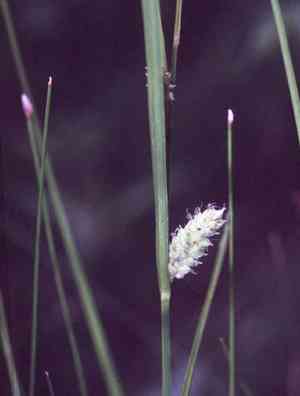
Woolly sedge introduces a distinct textural element to garden designs. Its fuzzy appearance and delicate foliage offer an interesting contrast to other plants with larger leaves or bolder hues. This visual variety adds depth and intricacy to your landscape, making it more appealing and engaging.
Flexible Planting Choices
Woolly sedge can be utilized in various planting arrangements, from naturalistic settings to more structured garden designs. It performs well along garden edges, within mixed plantings, or as a ground cover. Its adaptability allows you to experiment with different planting styles and create a harmonious and visually pleasing garden layout.
How to Integrate Woolly Sedge into Your Garden
Planting Recommendations
When planting Woolly sedge, it's important to select a location that aligns with its growth requirements. While it can adapt to various soil types, ensuring proper drainage will help it thrive. Plant Woolly sedge in the spring or fall for optimal establishment, and space plants appropriately to allow for growth and spread.
Companion Plants
Woolly sedge pairs well with a variety of other garden plants. Consider combining it with native grasses, wildflowers, or shrubs that flourish in similar conditions. This approach not only enhances the aesthetic appeal of your garden but also promotes a balanced and sustainable planting scheme.
What Makes Woolly Sedge Ideal for Sustainable Landscaping?
Reduces Water Consumption
As a drought-tolerant plant, Woolly sedge requires less water compared to conventional garden plants. This characteristic makes it a valuable addition in areas facing water scarcity or for gardeners aiming to lessen their environmental impact. By planting Woolly sedge, you contribute to water conservation efforts while maintaining a lush and vibrant garden.
Minimizes Chemical Use
Given its resilience and low maintenance needs, Woolly sedge reduces the necessity for chemical fertilizers and pesticides. This not only safeguards the health of your soil and local waterways but also fosters a safer environment for garden visitors, including pets and humans. A chemical-free garden is not only more sustainable but also more enjoyable and healthier for all its inhabitants.



