How to Transplant Pale sedge?
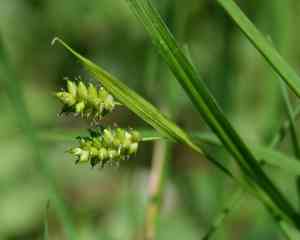
The optimal period for relocating pale sedge is during the spring, as rising temperatures encourage root development. Select a location offering sufficient humidity and partial shade, and safeguard the fragile root system throughout the transfer. This meticulous approach fosters vigorous development.
What Preparations are Needed Before Transplanting Pale Sedge?
What is the Ideal Time for Transplanting Pale Sedge?
The optimal period for relocating pale sedge is the spring season. This timing provides pale sedge with a gentle start and ample growth opportunities. Proper transplant timing ensures robust health for pale sedge, as mild weather aids root establishment before summer's intensity. Repositioning pale sedge in spring allows it to thrive throughout the full season, a wise choice for any gardener.
How Much Space Should You Leave Between Pale Sedge Plants?
Initially, space young pale sedge plants approximately 1-2 feet (30.5 - 61 cm) apart. This ensures they have sufficient room to develop without competition. Consider it providing each plant with its own dedicated area to flourish!
What is the Best Soil Mix for Pale Sedge Transplanting?
Before moving your pale sedge, prepare the soil by ensuring it drains well. Loamy soil is ideal for pale sedge. Additionally, enrich the soil with a foundational fertilizer to provide your plant with essential nutrients. A balanced blend like 10-10-10 (NPK) is recommended.
Where Should You Relocate Your Pale Sedge?
Carefully select your planting site. Pale sedge thrives best in partial shade. Aim for a location where the plant receives sunlight but not excessively. If full sun is unavoidable, ensure the soil remains adequately moist. It's all about equilibrium, my gardening friend!
What Equipments Should You Prepare Before Transplantation Pale Sedge?
Gardening Gloves
To safeguard your hands from dirt and prevent any potential injuries while handling the plant or tools.
Shovel or Spade
Essential for excavating the plant from its original spot or creating a suitable hole in the new location.
Gardening Trowel
Utilize a trowel for digging smaller holes and for more precise tasks. It's also useful when dealing with potted plants or seedling trays.
Pruning Shears
Use these for trimming any damaged or excessively long roots before you transplant the pale sedge.
Garden Hose or Watering Can
For hydrating the plant both before and after transplantation.
How Do You Remove Pale Sedge from the Soil?
How Do You Remove Pale Sedge from the Soil?
From Ground: First, water your pale sedge plant to make the soil easier to manage. Once the soil is sufficiently damp, begin digging around the plant with your shovel, maintaining a good distance from the base to avoid root damage. Gradually work beneath the root ball and lift the plant from the ground.From Pot: Water the pale sedge plant and allow it to drain completely. Turn the pot sideways, gently hold the plant at its base, and tap the pot's rim against a hard surface. This will loosen the soil and allow the plant to slide out.From Seedling Tray: Water the pale sedge seedlings and use a trowel or similar small tool to carefully pry out the seedlings, taking care not to harm the delicate root system.
Step-by-Step Guide for Transplanting Pale Sedge
Preparation
Begin by preparing the new site. Dig a hole that is twice as wide and as deep as the root ball of your pale sedge plant. Then, fill the hole with water and let it drain. This ensures the soil in the transplant hole is moist.
Placement
Gently position the pale sedge in the center of the hole, making sure it's at the same depth as it was in its previous location.
Filling
Cover the root ball with soil, gently firming it around the base of the pale sedge plant to eliminate any air pockets around the roots.
Watering
Using a garden hose or a watering can, thoroughly water the newly transplanted pale sedge plant. This aids in settling the soil around the roots.
How Do You Care For Pale Sedge After Transplanting?
Regular Checks
Monitor your pale sedge plant closely after transplanting. Periodically check for signs of stress such as wilting, yellowing, or leaf drop.
Watering
Water the pale sedge plant as needed, keeping the soil consistently lightly moist. Reduce watering as the plant establishes. Excessive watering can lead to root rot.
Pruning
Trim away any dead or dying foliage to prevent disease and encourage the healthy parts of your pale sedge plant to flourish.
Patience
Be patient, as it may take several weeks for your pale sedge to show signs of new growth after being transplanted.
Troubleshooting Common Issues with Pale Sedge Transplantation.
What's the optimal season to transplant pale sedge?
The best time to transplant pale sedge is during the first to third season (S1-S3) of the year. This provides the plant with a significant period for recovery.
What should be the ideal space between pale sedge plants?
Good question! Pale sedge should be spaced approximately 1-2 feet (30-60 cm) apart. This ensures they have ample room to grow without competing for resources.
How deep should I plant pale sedge?
Plant pale sedge at the same soil depth it was previously growing. This promotes healthy, vigorous growth and prevents root issues.
How do I prepare the soil when transplanting pale sedge?
Start by loosening the soil about 12 inches (30 cm) deep and incorporating some compost. This enriches the soil, providing pale sedge with necessary nutrients.
What's the best way to water pale sedge after transplanting?
Water pale sedge thoroughly after transplanting and keep them well hydrated, especially during dry periods. But be cautious, they dislike waterlogged soil!
How long does pale sedge take to establish after transplantation?
Pale sedge typically takes a few weeks to establish. Consistent watering, adequate spacing, and moderate sunlight can accelerate this process.
How can I handle transplantation shock in pale sedge?
Transplantation shock can be minimized by ensuring pale sedge is properly watered and avoiding transplantation during intense sun exposure or extreme temperatures.
Can I transplant pale sedge under full sun?
Pale sedge prefers to grow in partial shade to full sun. When transplanting, try to select a location that aligns with its light requirements.
What water requirements does pale sedge need post-transplant?
Pale sedge prefers moist soil. Therefore, keep the soil consistently damp but ensure it does not become waterlogged. Overwatering can cause root rot.
What are the signs of successful transplantation in pale sedge?
Healthy new growth is a good indicator that pale sedge has successfully adapted to its new location. This may take a few weeks, so allow it some time.



