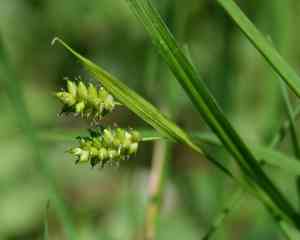
Pale sedge (Carex pallescens)
Also known as: Pale Sedge
Ross's sedge (Carex rossii) is a species of sedge grass that grows in Canada and the northwestern United States. It is characterized by its small hairs, V-shaped cross-section, and its tendency to grow in clumps. Note that Carex rossii is distinct from Carex livida, which is sometimes also referred to as pale sedge, potentially causing some confusion. Carex rossii is known for its clump-forming habit and its hairy texture.
In This Article
Attributes of Pale sedge
Lifespan
Perennial
Plant Type
Grass
Plant Height
20 cm to 76 cm
Spread
Not applicable - sedges do not form a crown
Leaf Color
Pale green
Flower Size
9 mm to 2 cm
Flower Color
White Yellow Green Cream Red Brown
Images of Pale sedge
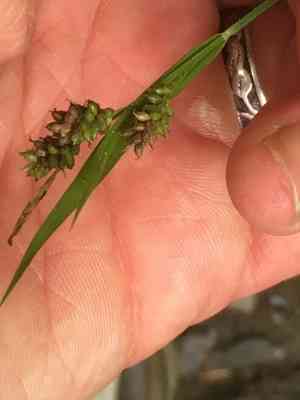
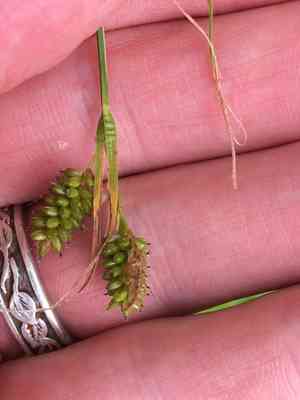
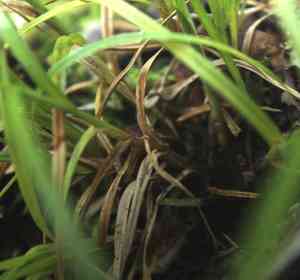
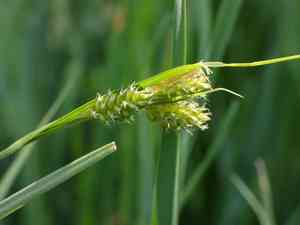
Quickly Identify Pale sedge
1
Carex pallescens can be identified by its pale green foliage, which is softer and more delicate compared to other sedge species. The leaves are flat and narrow, and the plant produces small, inconspicuous flowers clustered in terminal spikes.
Scientific Classification of Pale sedge
Phylum
Vascular plants
Class
Monocotyledons
Order
Poales
Family
Sedge
Genus
True sedges
Species
Pale sedge
Planting and Growing of Pale sedge
Care Difficulty
Easy
Watering Schedule
Every 3 days
Sunlight Requirements
Partial sun
Sunshine Duration
6-12 hours
Ideal Temperature
60-75℉
Soil Type
Potting Mix, Peat Mix
Soil pH
6.5-7.5
Fertilizer Type
Balanced
Pruning Season
Spring, Summer
Pruning Area
Branches, Leaves
Pruning Frequency
2 times a year
Repotting Season
Spring
Pot Type
Plastic, Ceramic
 How to Water Pale sedge?
For Carex pallescens, the watering amount should be generous enough to keep the soil consistently moist without being waterlogged. Water until you see moisture at the bottom of the pot, generally around 200 ml, ensuring the soil remains damp like a wrung-out sponge.
What are the symptoms of an underwatered Pale sedge?
›
What should I do if my Pale sedge is not getting enough water?
›
What are the symptoms of an overwatered Pale sedge?
›
How to save an overwatered Pale sedge?
›
 What Are the Sunlight Requirements for Pale sedge?
Partial sun is ideal, meaning a mix of sun and shade. This lighting condition helps balance energy absorption with moisture conservation, fostering optimal growth and resilience against fluctuating environmental conditions.
More About Sunlight Requirements Techniques→
Optimal Sunlight Hours
›
Solution for Ideal Light
›
Effect of Ideal Lighting
›
 What Is the Ideal Temperature Range for Pale sedge?
The ideal temperature range for growing Carex pallescens is between 60°F and 75°F. This temperature range allows for healthy growth and optimal physiological processes in the plant. Maintaining this stable temperature range is essential to ensure the plant's health and vigor.
 What Soil is Best for Pale sedge?
Carex pallescens thrives in well-drained soil where excess water doesn't remain stagnant. This is crucial for preventing root rot and promoting healthy growth. The ability of the soil to drain well allows the roots to breathe properly, ensuring the plant's stability and vitality. This plant prefers slightly moist conditions, which means the soil should retain moisture while not being waterlogged. This helps in maintaining a consistent supply of water to the roots, aiding in growth and health without causing water stress. Nutrient-rich soil is beneficial for Carex pallescens as it requires a steady supply of nutrients for optimal growth. Such soils can support robust foliage and overall plant health, enhancing its vigor and resilience.
 How to Fertilize Pale sedge?
For Carex pallescens, it's recommended to use a balanced liquid fertilizer diluted to half strength. Apply it evenly over the root zone to avoid fertilizer burn. Ensure the soil is moist before fertilizing to facilitate nutrient absorption.
 How to Prune Pale sedge?
Start by inspecting the plant for dead culms or any brown, withered leaves at the base. Trim these back to the ground, which helps the plant focus its energy on healthy growth and maintains a tidy appearance. Trim the Carex pallescens sparingly to maintain its natural shape. Focus on removing any discolored, damaged or excessively long blades to improve airflow and sunlight penetration through the clump. Carex species tend to spread, so it’s crucial to maintain its desired landscape presence by tidying up its edges. This prevents it from encroaching on neighboring plants, maintaining harmony in your garden design.
More About Pruning Techniques→
 How to Propagate Pale sedge plant?
1
The first step in propagation involves preparing a well-draining soil mix. For seed propagation, fill seed trays with a mixture of peat moss and perlite to provide aeration and retain moisture. For division, ensure the soil in the garden bed is enriched with organic matter.
2
Sow seeds evenly on the soil surface in trays and cover them lightly with soil. For division, carefully dig around the plant, lift it from the soil, and then gently separate the clumps, making sure each has several stems and roots attached.
3
Once the seeds are sown or divisions placed in soil, water them gently to moisten the soil without washing away seeds or disturbing the divisions. Use a balanced, water-soluble fertilizer to aid in the initial growth of seedlings or newly divided plants.
 How to Repot Pale sedge plant?
1
Carex pallescens signals the need for repotting when you notice roots crowding through drainage holes or when water takes too long to drain. Also, if plant growth appears stunted or soil compacts, these are clear indicators. It's best to repot in spring or autumn when the plant is not actively growing or preparing for dormancy, ensuring minimal stress.
2
Select a pot that is about one size larger than the current one, ensuring there are ample drainage holes. This prevents root rot by enabling excess water to escape and provides enough space for root expansion. A pot with a broader base can also offer stability to the heighty leaf growth of Carex pallescens.
3
Opt for a well-drained, loamy soil mix that holds moisture yet allows for excess water to drain. This balance is crucial as it helps maintain optimal moisture levels without suffocating roots, and provides a steady support for the plant to thrive and grow robustly.



