How to Prune Pale sedge?
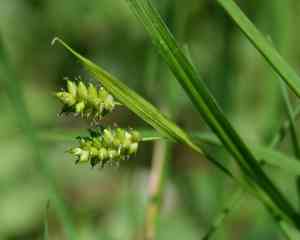
Pale sedge, a perennial, clump-forming grass, flourishes in damp environments. To ensure robust development, trim away deceased leaves in early spring or winter using sharp scissors, cutting close to the ground to stimulate fresh sprouts. Consistently removing faded flower stalks preserves its look and prevents unwanted self-propagation. Dividing overcrowded clusters improves air movement. Trimming while the plant is dormant lessens strain, fostering vigor and thicker foliage during the active growth period, and lowers the chance of illness.
Advantages of Trimming Pale Sedge
Advantages of Trimming Pale Sedge
Trimming pale sedge ensures it keeps a compact shape, which can stimulate growth. Strategic cuts help promote a denser and more robust plant, leading to a healthier overall structure and improved appearance.
Optimal Time for Trimming Pale Sedge
Optimal Time for Trimming Pale Sedge
Early spring is considered ideal for trimming pale sedge as it coincides with the end of its dormant phase and just before the new growth cycle begins. Trimming at this time minimizes stress on pale sedge and prepares it for vigorous growth in the upcoming season. Winter is also suitable, especially late winter, as the plant remains dormant, reducing the risk of harming new growth or disrupting blooming and seeding cycles. These seasons help maintain pale sedge's health and development by removing dead or damaged tissue and shaping the plant, which supports healthier foliage and root systems.
Tools Required for Trimming Pale Sedge
Hand Pruners
Perfect for snipping individual blades of pale sedge that are dead or diseased. Hand pruners allow for precise cuts while minimizing harm to surrounding foliage.
Grass Shears
Effective for shaping and maintaining the form of pale sedge's clumps. Their long blades can evenly cut through fine foliage without harming the plant's appearance.
Scissors
Useful for minor touch-ups and removing small, stray blades in pale sedge. Scissors offer control for detailed work where larger tools might be impractical.
How to Trim Pale Sedge
Sanitize tools
Before starting, clean and sterilize your trimming tools to prevent the spread of disease to pale sedge.
Identify
Locate diseased and withered leaves on pale sedge, being careful not to confuse them with healthy growth.
Remove diseased leaves
Gently snip off diseased leaves at their base where they meet the stem or ground, avoiding damage to healthy surrounding foliage.
Remove withered leaves
Cut back withered leaves to their base in a similar manner, making clean cuts to encourage quick healing.
Discard
Gather all removed material and dispose of it away from healthy plants to minimize the risk of disease spreading.
Common Trimming Errors with Pale Sedge
Excessive trimming
Removing too much foliage, which can stress pale sedge and potentially lead to poor growth or disease.
Incorrect technique
Cutting at an improper angle, tearing leaves, or leaving jagged edges that could hinder pale sedge's natural growth pattern and healing process.
Trimming healthy foliage
Unnecessarily cutting back healthy leaves instead of just the dead or damaged ones, which can reduce the plant's vigor and aesthetic appeal.
Using unclean tools
Trimming with dirty or rusted tools that could introduce pathogens to cut areas, thus increasing the risk of infection for pale sedge.
Ignoring plant structure
Failing to maintain the natural shape and structure of pale sedge, which can result in an unbalanced appearance and harmful stress on the plant.
General Trimming Advice for Pale Sedge
Utilize sharp tools
Trim with sharp and clean pruning shears to make precise cuts that pale sedge can heal from quickly, reducing the risk of disease.
Focus on dead or damaged foliage
Target only the dead, damaged, or diseased foliage to prevent excessive removal of healthy parts, supporting pale sedge's overall health and aesthetics.
Cut at the base
When trimming, make cuts close to the base of the foliage to encourage new growth and maintain pale sedge's tidy appearance.
Maintain plant form
Respect pale sedge's natural growth habit by following its shape and contours, which will help maintain its structural integrity and enhance its ornamental value.
Disinfect tools
Between cuts, especially when moving between plants, disinfect trimming tools to prevent the spread of disease among pale sedge plants.



