How to Propagate Pale sedge?
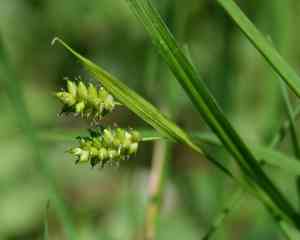
Pale sedge flourishes when reproduced via separation, a technique ideal for controlling its expansion and preserving the plant's well-being. Meticulously splitting the root masses in either the spring or autumn guarantees successful rooting, as this period bypasses harsh climatic conditions that might adversely affect the plant. It is crucial to promptly re-establish the separated sections and ensure they receive ample hydration to foster vigorous development.
Optimal Period for Propagating Pale Sedge
Propagation Method
Splitting
Propagation Period
Spring,Autumn
Tools Required for Pale Sedge Propagation
Sharp Spade or Knife
Essential for the division process, a keen spade or blade is vital for cleanly severing the root system of pale sedge, minimizing root damage. A precise cut is key to reducing plant stress, leading to a higher propagation success rate.
Gardening Gloves
These safeguard the propagator's hands from sharp edges and dirt while handling pale sedge. Gloves are especially important for maintaining hygiene, preventing pathogen transfer between plants during propagation.
Watering Can with a Fine Rose
Following division, pale sedge needs gentle watering to help it settle into the soil without dislodging the newly planted sections. A watering can with a fine rose attachment ensures soft, even water distribution, crucial for newly propagated plants.
Rooting Hormone Powder or Gel
This can be applied to the severed root sections to encourage faster root development. For pale sedge, which may have delicate roots, a rooting hormone can significantly boost the establishment and vigor of new plants.
Label and Permanent Marker
Used to identify newly propagated plants. Labeling is vital for tracking the variety and propagation date, aiding in effective management and care of pale sedge during its establishment phase.
Potting Mix or Soil
Ideal for repotting divided pale sedge parts, a well-draining, nutrient-rich potting mix supports healthy root growth. This medium should optimally retain moisture and provide aeration, key for pale sedge survival and growth.
How to Propagate Pale Sedge?
Propagation Type
Simple
How to Care for Your Newly Propagated Pale Sedge?
How to Care for Your Newly Propagated Pale Sedge?
Maintain consistent soil moisture as pale sedge thrives in damp conditions. They should not be allowed to dry out between waterings. Regular checks for pests and diseases are important for the healthy growth of young plants. During the growing season, fertilize with a balanced, slow-release product to support their development.
Common Mistakes to Avoid When Propagating Pale Sedge
Overwatering
Excessive moisture can lead to root rot and fungal diseases for pale sedge, which thrives best in well-drained conditions. Overwatering can suffocate the roots, hindering proper growth and potentially causing the death of pale sedge.
Using non-acidic soil
Pale sedge prefers slightly acidic soil conditions. Using neutral or alkaline soil can impede its growth by preventing the plant from absorbing necessary nutrients effectively, leading to poor growth and propagation success.
Deep planting
Planting pale sedge too deeply can restrict oxygen availability to the roots and may prevent the rhizomes from developing properly. This might result in stunted growth or even failure of the new plants to thrive.
Tips For Propagating Pale Sedge
Proper moisture balance
Ensure the soil is moist but well-drained. Pale sedge requires adequate moisture to establish, but the soil must not be waterlogged. This balance is crucial for healthy root and shoot development.
Use a slightly acidic soil mix
To create an optimal growing environment for pale sedge, use a soil mix with a slightly acidic pH. This encourages nutrient uptake and healthy growth, essential for successful propagation.
Light mulching
Applying a thin layer of mulch can help retain the necessary moisture level and maintain a cooler soil temperature, both beneficial for pale sedge propagation. Be careful not to over-mulch, as this can retain excessive moisture.



