How to Transplant Close-headed alpine sedge?
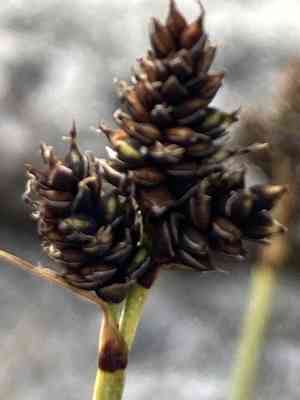
Close-headed alpine sedge flourishes when relocated in the warmer period of early to mid-summer, facilitating strong root establishment. Select a site receiving full sun or partial shade, featuring soil that drains effectively, to encourage vigorous development. Given appropriate circumstances, close-headed alpine sedge acclimates splendidly.
Necessary Preparations Before Relocating Close-headed Alpine Sedge?
When is the Best Period for Moving Close-headed Alpine Sedge?
The ideal period to move close-headed alpine sedge, a perennial, is from early to mid-summer. This timing allows the plant to develop robust roots before winter. Relocating during this window promotes better growth, as warmer soil and consistent moisture encourage quicker root growth and overall plant vitality.
What Spacing is Recommended Between Close-headed Alpine Sedge Plants?
Position each close-headed alpine sedge plant 12-18 inches (30-45 cm) apart. This provides ample room for growth without overcrowding, which aids air circulation and lowers disease risk.
What is the Optimal Soil Blend for Close-headed Alpine Sedge Relocation?
Select a well-draining soil for your close-headed alpine sedge. Incorporating organic compost and a balanced base fertilizer will supply essential nutrients for healthy development. Aim for a slightly acidic to neutral pH level.
Where Should You Replant Your Close-headed Alpine Sedge?
Choose a spot with partial to full sun exposure. Close-headed alpine sedge thrives best with at least 4-6 hours of daily sunlight, providing the necessary light for optimal development.
What Tools Should You Prepare Before Moving Close-headed Alpine Sedge?
Gardening Gloves
To safeguard your hands while handling soil and the plant.
Shovel or Spade
For excavating the plant and preparing a new planting site.
Watering Can or Hose
To hydrate the plant and soil before and after relocation.
Hand Trowel
For more precise digging around the plant's root system.
Wheelbarrow or Bucket
To move the plant if the new spot is distant from its original location.
Garden Fork
To loosen the soil and assist in lifting the plant with minimal root disruption.
Mulch
To help maintain soil moisture and reduce weed competition post-relocation.
How Do You Extract Close-headed Alpine Sedge from the Ground?
How Do You Extract Close-headed Alpine Sedge from the Ground?
From Ground: First, hydrate the close-headed alpine sedge plant to moisten the soil. Then, dig a wide trench around the plant using a shovel or spade, ensuring the plant's root ball remains intact. Carefully work the spade beneath the root ball to lift the plant from its original spot.From Pot: Gently water the close-headed alpine sedge plant to dampen the soil. Invert the pot and carefully slide the plant out, supporting the root ball with your hand. If the plant is stuck, tap the pot's sides to loosen it. Avoid pulling the plant by its stems.From Seedling Tray: Lightly water the close-headed alpine sedge plant to moisten the soil. Use a hand trowel or your fingers to gently lift the seedlings, supporting them from the base. Be careful not to harm the delicate roots.
Step-by-Step Guide for Relocating Close-headed Alpine Sedge
Site Preparation
Prepare the new site by digging a hole twice the width and depth of the close-headed alpine sedge plant's root ball. Ensure the soil is loose and drains well.
Plant Removal
Follow the specific removal method applicable to your situation (ground, pot, or seedling tray) to carefully lift the close-headed alpine sedge plant from its initial location.
Planting in New Spot
Place the close-headed alpine sedge plant in the prepared hole, ensuring it sits at the same depth as it was previously. Backfill the hole with soil, gently pressing down to remove air pockets.
Watering
Water the close-headed alpine sedge plant immediately after relocation to settle the soil around its roots. Ensure the water reaches the root zone.
Mulching
Apply a layer of mulch around the base of the close-headed alpine sedge plant to help retain moisture and reduce weed growth.
How Do You Care For Close-headed Alpine Sedge After Relocation?
Watering
Keep the soil around the close-headed alpine sedge consistently moist, but not waterlogged, for the initial weeks post-relocation to aid in root establishment.
Monitoring
Regularly check the close-headed alpine sedge plant for signs of stress, such as wilting or yellowing foliage. Adjust care as necessary.
Mulch Maintenance
Ensure the mulch stays in place around the close-headed alpine sedge to maintain soil moisture and control weeds, but avoid direct contact with the plant stems.
Protection
If required, shield the close-headed alpine sedge from intense sun or strong winds with temporary screens or covers until it is established.
Addressing Common Issues with Close-headed Alpine Sedge Relocation.
When is the best time to move close-headed alpine sedge?
Relocate close-headed alpine sedge in early to mid-summer for optimal growth and establishment.
How far apart should I space close-headed alpine sedge plants?
Space close-headed alpine sedge plants 12-18 inches (30-45 cm) apart to allow for adequate growth.
What soil type is best for relocating close-headed alpine sedge?
Choose well-draining soil with added organic matter for the healthiest close-headed alpine sedge relocation.
Should I water close-headed alpine sedge after moving it?
Yes, thoroughly water close-headed alpine sedge immediately after relocation and keep the soil consistently moist.
How should I prepare the planting site for close-headed alpine sedge?
Clear the area of weeds and debris, and dig a hole twice the size of the root ball.
What is the optimal light condition for close-headed alpine sedge after relocation?
Plant close-headed alpine sedge in a spot that receives partial to full sunlight for best results.
How deep should I plant close-headed alpine sedge?
Plant close-headed alpine sedge at the same depth it was in its original container to prevent stress.
What should I do if close-headed alpine sedge appears wilted after relocation?
Ensure it is well-hydrated, and provide temporary shade if temperatures are high.
How can I minimize transplant shock for close-headed alpine sedge?
Water the plant well, handle it gently, and relocate during cooler parts of the day.
What mulching advice is recommended for close-headed alpine sedge after relocation?
Apply a 2-3 inch (5-7.5 cm) mulch layer around close-headed alpine sedge to retain moisture and control weeds.



