How to Prune Close-headed alpine sedge?
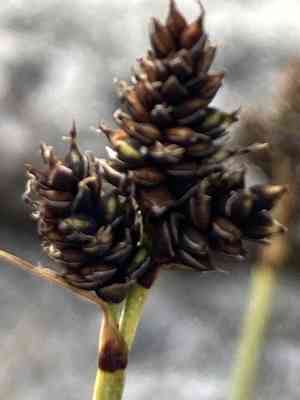
This resilient alpine sedge, recognized for its dense groupings and durability, flourishes with infrequent trimming. Remove withered or compromised leaves in early spring or during winter to uphold its structure and vitality. Refrain from extensive cutting to retain its inherent form and strength. Consistent trimming stimulates fresh development and improves its verdant look directly from the ground. Verify that instruments are sanitized to avert illness. These methods foster its strong, neat clusters.
What Are the Benefits of Pruning Close-headed Alpine Sedge?
What Are the Benefits of Pruning Close-headed Alpine Sedge?
Trimming close-headed alpine sedge helps maintain its form and promotes vigorous development. Eliminating dead or damaged stems prevents illness and pests, fostering a healthier plant structure. This ensures close-headed alpine sedge remains strong and aesthetically pleasing in alpine environments.
What Is the Best Time for Pruning Close-headed Alpine Sedge?
What Is the Best Time for Pruning Close-headed Alpine Sedge?
Pruning close-headed alpine sedge in early spring or winter is considered ideal because these periods align with the plant's dormancy or just before its active growth phase. Early spring pruning allows shaping before new growth starts, directing energy to healthy new shoots. Winter pruning helps manage structure and prevents diseases that thrive in dead foliage. Both seasons minimize plant stress and reduce infection risk.
What Tools Do I Need to Prune Close-headed Alpine Sedge?
Hand Shears
Perfect for precise cuts, effective for trimming dead or damaged leaves and maintaining a neat appearance.
Pruning Scissors
Useful for detailed tasks and cutting thinner stems; ensures healthy growth by removing unwanted shoots.
Bypass Pruners
Best for making clean cuts on living tissue, which is vital for preventing disease in close-headed alpine sedge.
Garden Gloves
Protect hands from sharp edges and provide a better grip when using pruning tools.
Small Rake or Hand Cultivator
Helps to clear away trimmed material and debris from the base of close-headed alpine sedge, keeping the area tidy.
How to Prune Close-headed Alpine Sedge
Prep
Gather necessary tools like clean, sharp scissors or pruning shears to ensure a clean cut and minimize plant damage.
Inspect
Carefully examine close-headed alpine sedge for any diseased or withered leaves to identify areas in need of pruning.
Cut Diseased
Remove any diseased leaves by cutting them off at the base, close to the stem, to prevent the spread of disease.
Cut Withered
Trim withered leaves by cutting them off where they meet healthy tissue, ensuring you're only removing dead parts.
Dispose
Safely dispose of the pruned leaves to avoid potential spread of disease or pests back to the plant.
Common Pruning Mistakes with Close-headed Alpine Sedge
Over-pruning
Cutting back too much of close-headed alpine sedge can cause stress to the plant and limit its ability to thrive.
Improper technique
Using dull or inappropriate tools can damage the plant tissues, leading to infections or poor regrowth.
Ignoring damaged parts
Failing to remove dead, diseased, or damaged foliage can allow issues to persist and spread.
Incorrect timing
Pruning at the wrong stages of the plant's growth cycle can hinder its development and natural growth patterns.
Common Pruning Tips for Close-headed Alpine Sedge
Use sharp tools
Always use clean, sharp pruning shears to make precise cuts and minimize damage to the plant tissues.
Moderate pruning
Trim back only the necessary parts, focusing on removing dead or unhealthy foliage to encourage healthy growth.
Clean cuts
Make clean cuts at a slight angle to prevent water accumulation on the cut surface, reducing the risk of rot and disease.
Monitor growth
Regularly check the plant for signs of overgrowth, disease, or damage. Prune as needed to maintain its shape and health.



