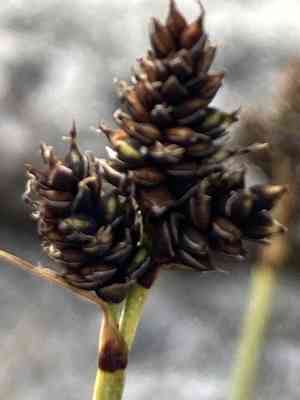
Close-headed alpine sedge (Carex norvegica)
Also known as: Intermediate sedge
Bigelow's sedge is a robust perennial sedge that excels in alpine and arctic tundras. It is characterized by its tufted growth and slender, grass-like leaves, making it well-suited to cold, harsh environments. This sedge produces subtle greenish-brown flower spikes and forms dense clumps, providing a natural shield against strong winds. Its resilience highlights its remarkable adaptation to some of the world's most challenging landscapes.
In This Article
Attributes of Close-headed alpine sedge
Lifespan
Perennial
Plant Type
Grass
Plant Height
30 cm to 91 cm
Spread
N/A
Leaf Color
Green
Flower Size
N/A
Flower Color
Yellowish-brown
Images of Close-headed alpine sedge
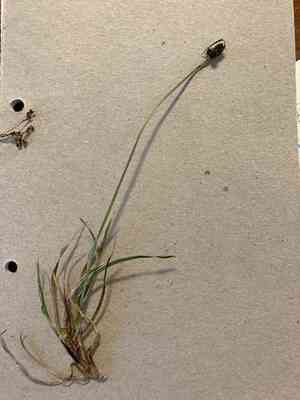
Quickly Identify Close-headed alpine sedge
1
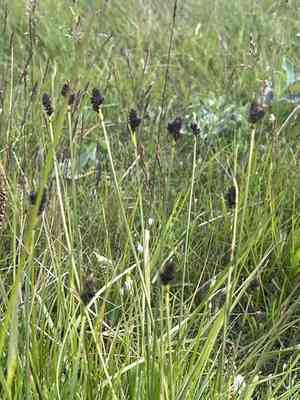
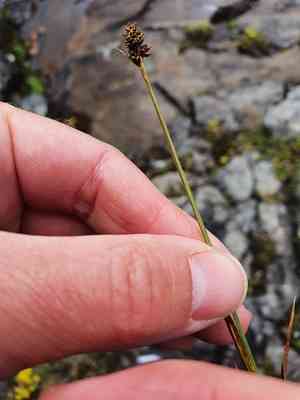
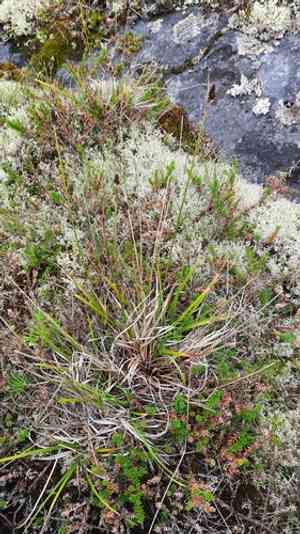
Carex norvegica can be identified by its tufted growth form and narrow, grass-like leaves. The stems are triangular in cross-section, and the inflorescences are typically composed of several spikelets. The plant often features a dark, brownish-black scale at the base of the spikelets.
Scientific Classification of Close-headed alpine sedge
Phylum
Vascular plants
Class
Monocotyledons
Order
Poales
Family
Sedge
Genus
True sedges
Species
Close-headed alpine sedge
Planting and Growing of Close-headed alpine sedge
Care Difficulty
Moderate
Watering Schedule
Every 2 days
Sunlight Requirements
Partial sun
Sunshine Duration
4-8 hours
Ideal Temperature
50-59℉
Soil Type
Potting Mix, Peat Mix
Soil pH
5-7.5
Fertilizer Type
Balanced
Pruning Season
Spring, Summer
Pruning Area
Branches, Leaves
Pruning Frequency
2 times a year
Repotting Season
Spring
Pot Type
Plastic, Ceramic
 How to Water Close-headed alpine sedge?
The watering amount for Carex norvegica should be around 250 milliliters per session. Ensure the soil is moist, but not waterlogged. The water must reach the plant’s roots, promoting healthy growth and preventing drying out.
What are the symptoms of an underwatered Close-headed alpine sedge?
›
What should I do if my Close-headed alpine sedge is not getting enough water?
›
What are the symptoms of an overwatered Close-headed alpine sedge?
›
How to save an overwatered Close-headed alpine sedge?
›
 What Are the Sunlight Requirements for Close-headed alpine sedge?
Carex norvegica ideally flourishes under conditions of partial sun, allowing for partial shade with a few hours of direct morning or late afternoon sunlight. Proper lighting ensures better growth and vitality.
What is the best location for Carex norvegica?
›
How can I create ideal light conditions indoors?
›
Why is ideal lighting important?
›
 What Is the Ideal Temperature Range for Close-headed alpine sedge?
The ideal temperature range for Carex norvegica is between 50°F and 59°F. This range provides the optimal conditions needed for its growth and photosynthesis processes. Maintaining this temperature range helps in ensuring the plant remains healthy and has adequate energy to carry out essential physiological functions.
 What Soil is Best for Close-headed alpine sedge?
For Carex norvegica, well-drained soil is essential as it prevents waterlogging, which can lead to root rot. The loose structure allows roots to breathe and uptake nutrients efficiently, promoting healthy growth. While well-draining, the soil should also have the ability to retain some moisture. This balance ensures that the plant does not dry out completely between waterings, especially in dry climates. A nutrient-rich soil boosts the growth of Carex norvegica by providing essential minerals and nutrients. Incorporating organic matter or compost can enhance soil fertility and give the plant the energy it needs to thrive.
 How to Fertilize Close-headed alpine sedge?
Carex norvegica typically requires a subtle yet consistent fertilization routine. A balanced liquid fertilizer with a ratio of 10-10-10 is ideal. During the growing season, dilute the fertilizer to half its strength and provide it with approximately 200 ml each time. This quantity ensures the plant receives adequate nutrients without overwhelming its delicate system.
 How to Prune Close-headed alpine sedge?
Begin by cleaning your tools with a disinfectant to prevent disease spread. Look for any brown, damaged, or dead leaves and trim them using sharp scissors or pruning shears. Ensure the cuts are clean and close to the base of the foliage to prevent uneven regrowth. This basic maintenance helps maintain the plant's aesthetic appeal and health. To prevent the plant from becoming overly dense, thin out the center by selectively removing a few stems. This process will increase air circulation which is beneficial in avoiding fungal diseases. Take care to cut at a slight angle, encouraging water runoff and preventing rot.
More About Pruning Techniques→
 How to Propagate Close-headed alpine sedge plant?
1
Collect seeds from mature Carex norvegica plants once the seed heads are dry. Clean and dry the seeds thoroughly, removing any debris or chaff that might inhibit germination. This prepares the seeds for successful propagation.
2
Prepare a well-draining, moist soil mix with a pH range of 5.5 to 6.5. Mix sand and compost to improve air ventilation and nutrient content, providing an optimal growth environment for the seeds or divisions.
3
Sow the seeds lightly on the soil surface or plant the divided clumps ensuring roots are well-covered. Water gently to avoid disrupting the placement. Maintain consistent moisture to promote successful establishment.
 How to Repot Close-headed alpine sedge plant?
1
Repotting your Carex norvegica should occur when you notice the plant's roots overwhelming its current pot, emerging through the drainage holes, or when the soil structure breaks down. Spring and summer are the preferred times, as the plant is most actively growing and can recover more swiftly.
2
Select a pot that is 1-2 inches larger in diameter than the current one to allow for growth. Ensure it has good drainage holes to prevent water logging. Using a wider, shallow pot supports the horizontal spread of roots and supports lush, even growth. This ensures the roots have space to breathe and grow efficiently, enhancing overall plant health.
3
Opt for a well-drained loamy soil mix, enriched with organic matter. This type of soil provides essential nutrients while allowing excess water to drain, preventing root rot. The right balance of texture aids in maintaining moisture without waterlogging, thereby supporting robust root development and plant vitality.



