How to Propagate Close-headed alpine sedge?
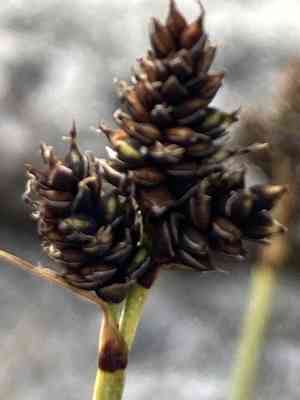
The close-headed alpine sedge, a resilient and adaptable grass-like flora, thrives in mountainous environments. For this particular plant, clump division stands as the most dependable method for propagation. During the suitable period, gently divide the plant clusters, making certain that every segment possesses sound roots and emerging shoots. Promptly re-establish these divisions in soil that drains effectively to encourage development. This technique sustains the plant's vitality and yields vigorous new growth.
Optimal Period for Propagating Close-headed Alpine Sedge
Propagation Method
Division
Propagation Period
Spring,Autumn
Tools Utilized in Close-headed Alpine Sedge Propagation
Garden Trowel
Crucial for carefully excavating around close-headed alpine sedge to separate clumps without harming the root system. Its compact size and precision make it perfect for this delicate operation.
Hand Pruners
Helpful for trimming excess foliage and roots during the division process, ensuring clean cuts that reduce plant stress and encourage healthy regrowth.
Garden Fork
Assists in gently lifting and loosening the soil surrounding close-headed alpine sedge, which aids in extracting the plant with minimal root disturbance.
Root Knife
Specialized implement for cutting through dense root masses of close-headed alpine sedge, enabling precise divisions that enhance the likelihood of successful propagation.
Watering Can with Fine Rose
Ensures even and gentle irrigation of newly divided close-headed alpine sedge, preventing soil displacement and promoting moisture retention in the root zone.
Sterilizing Solution
Important for sanitizing tools before and after use to prevent the spread of pathogens and ensure the health of close-headed alpine sedge during propagation.
How to Propagate Close-headed Alpine Sedge?
Propagation Type
Easy
Post-Propagation Care for Your Close-headed Alpine Sedge
How to Care for Your Newly Propagated Close-headed Alpine Sedge?
Following propagation, maintain a consistent watering schedule to keep the soil moist but not waterlogged. Close-headed alpine sedge thrives in cool, damp environments with indirect sunlight or partial shade. Regularly check for signs of pests or disease and address promptly. Prune dead or damaged foliage to encourage new growth. Mulch annually to preserve soil moisture and health. Fertilize lightly once during the growing season with a balanced, slow-release fertilizer to support continued growth.
Common Errors to Avoid When Propagating Close-headed Alpine Sedge
Overwatering
Excessive watering can lead to root rot, which significantly hinders the plant's ability to absorb nutrients and can eventually kill it.
Incorrect Soil Type
Using soil that retains too much water or lacks proper drainage can create conditions that are unsuitable for close-headed alpine sedge, leading to poor root development and stunted growth.
Improper Light Conditions
Placing close-headed alpine sedge in an area with insufficient light can slow down its growth and negatively affect its overall health.
Neglecting Pest Control
Failing to monitor and control pests can allow infestations that damage the plantâs leaves and stem, weakening it and hindering its ability to thrive.
Advice for Propagating Close-headed Alpine Sedge
Utilize Well-Draining Soil
Ensure the soil drains effectively to prevent waterlogging, which supports healthy root development and prevents diseases related to excess moisture.
Monitor Watering Practices
Water the plant appropriately, ensuring the soil remains moist but not waterlogged, to promote root health and plant vigor.
Provide Adequate Light
Place close-headed alpine sedge in an area where it will receive sufficient light, preferably partial to full sunlight, to encourage robust growth.
Regularly Inspect for Pests
Conduct regular inspections for pests and take immediate action if any are found to prevent infestations that could harm the plant.



