How to Transplant Fragile sedge?
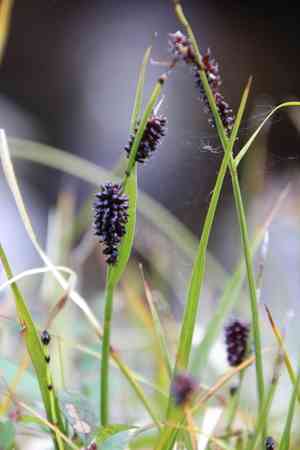
The most favorable periods for relocating delicate sedge are from the beginning to the end of spring, or from the close of summer to the middle of autumn. This guarantees the best possible root development. Select a spot that receives moderate to ample sunlight and has soil that drains effectively for thriving cultivation.
Necessary Preparations Before Moving Fragile Sedge?
Optimal Period for Relocating Fragile Sedge?
The best time to move fragile sedge is from early to late spring, or from late summer to mid-autumn. Transplanting during these windows ensures prime growth conditions, as soil moisture is adequate and temperatures are mild. This aids root development and lessens plant stress, allowing quick adaptation to new surroundings.
Required Spacing Between Fragile Sedge Plants?
When relocating fragile sedge, position each plant 12-18 inches (30-45 cm) apart. This provides sufficient room for development and ensures good air circulation, which helps prevent disease.
Ideal Soil Mixture for Fragile Sedge Relocation?
For fragile sedge, select well-draining soil rich in organic material. A blend of loam, sand, and compost works effectively. Before planting, mix a balanced fertilizer (e.g., 10-10-10) into the soil to supply essential nutrients.
Where to Replant Your Fragile Sedge?
Relocate fragile sedge to a spot with partial shade to full sun. This plant thrives with 4-6 hours of daily sunlight. Steer clear of excessively shaded areas to prevent leggy growth.
Equipment Needed Before Transplanting Fragile Sedge?
Gardening Gloves
To safeguard your hands while handling soil and the plant.
Spade or Shovel
For digging around fragile sedge and extracting it from its original spot.
Garden Trowel
To assist in transferring fragile sedge from a pot or seedling tray.
Watering Can or Hose
To moisten the soil and hydrate the plant post-transplant.
Wheelbarrow or Bucket
For moving fragile sedge and soil.
Root Stimulator
To encourage root development after relocation.
How to Extract Fragile Sedge from the Ground?
How to Extract Fragile Sedge from the Ground?
From Ground: First, hydrate the fragile sedge plant to moisten the soil. Next, excavate a wide trench around the plant using a shovel or spade, ensuring the plant's root ball remains intact. Carefully work the spade beneath the root ball to lift the plant from its initial location.From Pot: Water the fragile sedge thoroughly several hours prior to transplanting. Gently tap the pot's sides to loosen the soil. Carefully grasp the plant at its base and slide it out of the pot while supporting the root ball.From Seedling Tray: Gently water the fragile sedge seedlings before transplanting. Use a garden trowel to lift each seedling from the tray, ensuring you retain as much of the root system and surrounding soil as possible.
Step-by-Step Guide for Relocating Fragile Sedge
Prepare the New Location
Select a site with suitable conditions for your fragile sedge. Dig a hole twice the width of the plant's root ball and as deep as the root system.
Improve the Soil
Incorporate compost or organic material into the soil at the base of the hole to supply nutrients for fragile sedge's roots.
Plant Positioning
Place the fragile sedge in the hole, ensuring the top of the root ball is level with the ground surface. Backfill the hole with soil, gently pressing down to remove air pockets.
Water Thoroughly
After planting, water fragile sedge generously to help the soil settle around the roots and provide initial hydration.
Apply Mulch
Spread a layer of mulch around the base of fragile sedge to retain moisture and inhibit weed growth.
Post-Transplant Care for Fragile Sedge?
Watering
Keep the soil around the fragile sedge consistently damp, but not waterlogged, for the initial weeks after transplanting to aid in strong root establishment.
Monitoring
Regularly inspect fragile sedge for indications of stress such as wilting or yellowing leaves and adjust care as needed.
Protection
Shield fragile sedge from harsh weather conditions by providing temporary shade or cover if necessary.
Fertilizing
Avoid immediate fertilization after transplanting as this can stress fragile sedge. Wait a few weeks until the plant has settled into its new spot.
Resolving Common Issues with Fragile Sedge Relocation.
When is the best time to move fragile sedge?
Fragile sedge should be moved from early to late spring, late summer, early autumn, or mid-autumn.
How should I prepare the soil before moving fragile sedge?
Ensure the soil drains well and is enriched with organic matter to encourage healthy growth.
What spacing should I use when moving fragile sedge?
Space the plants 12-18 inches (30-45 cm) apart to allow ample room for development.
How can I prevent transplant shock for fragile sedge?
Water the plant thoroughly before and after relocation to help minimize shock.
Do I need to water fragile sedge often after moving?
Yes, keep the soil consistently moist for the first few weeks to aid root establishment.
What if fragile sedge appears wilted after moving?
Temporarily move the plant to a shaded area and ensure it is well-hydrated.
How deep should I plant fragile sedge?
Plant fragile sedge at the same depth it was previously growing to avoid stress.
Should I prune fragile sedge after moving?
Avoid pruning immediately after relocation to allow the plant to acclimate.
What type of fertilizer is ideal for fragile sedge during relocation?
Use a balanced, slow-release fertilizer to provide steady nourishment after transplanting.
Can I move fragile sedge in hot weather?
Avoid relocating during extreme heat to minimize plant stress. Choose cooler periods within the recommended seasons.



