How to Propagate Fragile sedge?
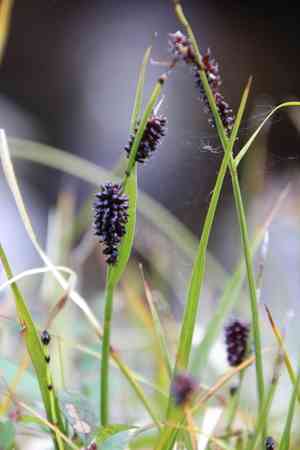
Fragile sedge flourishes most effectively when multiplied by separation, utilizing the plant's inherent tendency to form clumps. Carefully divide mature clusters into smaller portions, making certain that every segment possesses adequate roots and nascent stems for vigorous development. Valued for its capacity to adapt to diverse damp environments, providing rich, well-draining soil will foster sound progress after propagation. Consistent irrigation during the early phases assists in successful rooting.
Optimal Time for Fragile Sedge Propagation
Propagation Method
Splitting
Propagation Period
Spring,Autumn
Tools for Fragile Sedge Propagation
Sharp Spade
A keen-edged spade is vital for separating fragile sedge clumps. It ensures clean cuts through roots, minimizing harm and encouraging faster recovery and growth of divided portions.
Garden Knife
A garden knife is useful for making precise cuts when dividing smaller sections of fragile sedge. It aids in separating roots without causing excessive trauma to the plant.
Root Hook
A root hook is employed to gently untangle the roots of fragile sedge prior to division. This tool helps to separate roots, reducing the risk of breakage and promoting healthy regrowth.
Watering Can
A watering can with a fine rose attachment ensures gentle watering of newly divided fragile sedge plants. This tool helps minimize soil erosion and root disturbance while providing necessary moisture.
Potting Soil
Premium, well-draining potting soil is essential for replanting divided sections of fragile sedge. It supports healthy root development and ensures good aeration and moisture retention.
Plant Markers
Plant markers help keep track of divided fragile sedge sections, ensuring proper identification and monitoring of their progress during the propagation process.
Rooting Hormone
A rooting hormone can be applied to the cut surfaces of fragile sedge to encourage root development and reduce transplant shock, enhancing successful establishment.
How to Propagate Fragile Sedge?
Propagation Type
Simple
How to Care for Your Newly Propagated Fragile Sedge?
How to Care for Your Newly Propagated Fragile Sedge?
Fragile sedge prefers moist, well-draining soil and partial shade to full sun exposure. Consistent watering is crucial, especially during dry periods, to maintain soil moisture. Mulch around the plant's base to retain moisture and suppress weeds. Fertilize lightly with a balanced fertilizer during the growing season to encourage robust growth. Monitor for pests and diseases, and address any issues promptly to keep the plants healthy.
Common Mistakes to Avoid When Propagating Fragile Sedge
Overwatering
Excessive moisture can lead to root rot and fungal infections, hindering the growth and health of fragile sedge.
Inadequate Light
Planting fragile sedge in a location with insufficient sunlight can lead to weak, spindly growth and increased susceptibility to disease.
Poor Soil Drainage
Using soil that doesnât drain well can cause waterlogging, which adversely affects root health and promotes rot.
Incorrect Division Timing
Dividing fragile sedge incorrectly or at an inappropriate size can damage the plant and reduce the chances of successful propagation.
Tips For Propagating Fragile Sedge
Use Well-Draining Soil
Ensure the soil mix provides good drainage to prevent waterlogging and root rot, enhancing overall plant health.
Moderate Watering
Water fragile sedge moderately; allowing the soil to dry out slightly between waterings to avoid root diseases.
Adequate Light Exposure
Place fragile sedge in a spot where it receives sufficient light, ensuring strong and healthy growth.
Proper Division Technique
When propagating by division, handle the roots gently and ensure each divided section has healthy roots to promote successful establishment.



