How to Prune Fragile sedge?
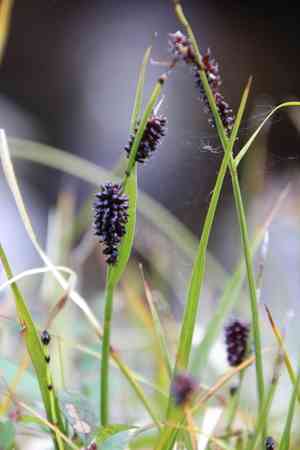
The delicate sedge is identifiable by its thin, curved blades and graceful form. The most effective time for trimming is in early spring and during winter to preserve its contour and eliminate any deceased or compromised leaves. Trimming stimulates robust new shoots and prevents excessive density. Trim down to the soil surface to foster thick, lively regeneration. Utilizing sanitized, keen implements will lessen harm and decrease the likelihood of illness. This method improves visual appeal and aids strong proliferation.
What Are the Benefits of Pruning Fragile Sedge?
What Are the Benefits of Pruning Fragile Sedge?
Fragile sedge benefits from trimming as it promotes vigorous growth and helps maintain its desired form. Regular trimming encourages healthier development, manages its size, and enhances its overall look, ensuring it stays strong and visually appealing.
What Is the Best Time for Pruning Fragile Sedge?
What Is the Best Time for Pruning Fragile Sedge?
Trimming fragile sedge in early spring is optimal as it stimulates strong new growth when the plant enters its active period, ensuring healthy development throughout the season. Winter is also a good time since the plant is dormant, reducing stress and simplifying shape management. Both seasons avoid interfering with flowering or fruiting, promoting overall plant health and vitality.
What Tools Do I Need to Prune Fragile Sedge?
Hand Pruners
Perfect for cutting small, delicate stems. Fragile sedge typically has thin stems that are easily managed with hand pruners.
Shears
Useful for trimming larger clusters of fragile sedge. They are designed to effectively handle the soft, grassy foliage.
Garden Gloves
Essential for protecting hands when handling fragile sedge during trimming. They help prevent skin irritation from the plant or soil.
How to Prune Fragile Sedge
Inspection
Start by closely examining fragile sedge for any diseased or withered leaves. This will help pinpoint the specific areas needing attention.
Tool preparation
Prepare sterilized pruning shears or sharp scissors to ensure clean cuts and minimize the risk of disease transmission.
Trim diseased leaves
Remove any diseased leaves by cutting them at their base where they connect to the stem. Properly dispose of these leaves to prevent pathogen spread.
Trim withered leaves
Cut off withered leaves at their base. Ensure all dead foliage is cleared away to encourage new growth.
Cleanup
After trimming, tidy the area around fragile sedge by removing all cut leaves and debris. This helps maintain a clean growing environment and reduces the risk of pest infestations.
Common Pruning Mistakes with Fragile Sedge
Over-pruning
Removing too many leaves or stems can stress the plant, hindering its ability to photosynthesize and grow properly.
Improper Angle Cuts
Cutting at the wrong angle can cause water to accumulate on the cut surface, leading to rot and disease.
Pruning Too Late
Trimming late in the season can impede new growth and make the plant vulnerable to frost damage.
Ignoring Dead or Diseased Parts
Failing to remove dead or diseased foliage can allow infections to spread throughout the plant.
Common Pruning Tips for Fragile Sedge
Use Sharp Tools
Ensure all trimming tools are sharp to make clean cuts, which helps the plant heal faster and reduces infection risk.
Focus on Dead or Damaged Parts
Prioritize removing dead, damaged, or diseased foliage to maintain overall plant health.
Make Clean Cuts
Always make clean, precise cuts just above a node or leaf junction to encourage new growth from that point.
Moderation is Key
Trim conservatively, removing no more than one-third of the plant at a time to avoid stressing fragile sedge.
Sanitize Tools
Regularly sterilize trimming tools to prevent the spread of pathogens between plants.



