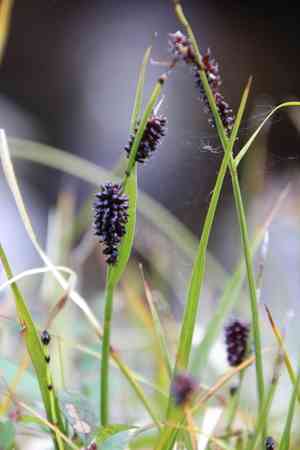
Fragile sedge (Carex membranacea)
Also known as: Papery Sedge
Fragile sedge, known for its delicate, arching leaves, is a perennial plant that thrives in damp, forested areas. It forms small clumps and adapts well to the dappled light of the understory. In spring, its slender stems produce understated greenish-brown flowers. This resilient plant is well-suited to cool, shaded environments, making it an integral part of its ecological niche.
In This Article
Attributes of Fragile sedge
Lifespan
Perennial
Plant Type
Grass
Plant Height
30-60 cm
Spread
Not usually measured, as it forms clumps
Leaf Color
Green
Flower Size
Small (not typically measured)
Flower Color
Brownish or green
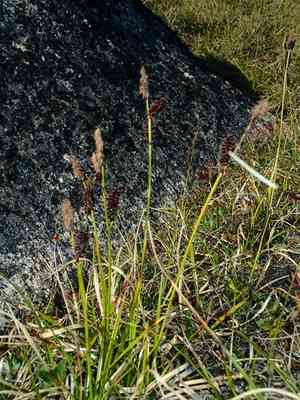
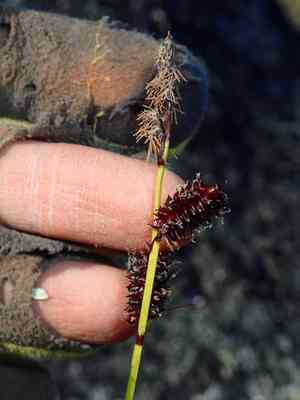
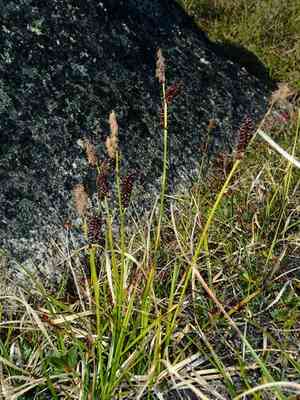
Images of Fragile sedge
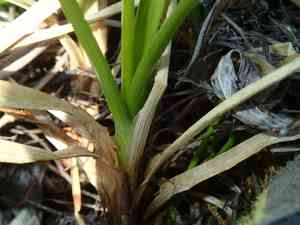
Quickly Identify Fragile sedge
1
Carex membranacea can be identified by its papery leaf sheaths and the small flower spikes that appear towards the top of its stems. The plant\'s leaves are relatively broad compared to other sedges.
Scientific Classification of Fragile sedge
Phylum
Vascular plants
Class
Monocotyledons
Order
Poales
Family
Sedge
Genus
True sedges
Species
Fragile sedge
Planting and Growing of Fragile sedge
Care Difficulty
Moderate
Watering Schedule
Every 4 days
Sunlight Requirements
Partial sun
Sunshine Duration
6-8 hours
Ideal Temperature
68-77℉
Soil Type
Potting Mix, Peat Mix
Soil pH
6.5-7.5
Fertilizer Type
Balanced
Pruning Season
Spring, Summer
Pruning Area
Branches, Leaves
Pruning Frequency
2 times a year
Repotting Season
Spring
Pot Type
Plastic, Ceramic
 How to Water Fragile sedge?
For Carex membranacea, ensure that the soil remains consistently moist but not waterlogged. Watering should create a uniform moisture level throughout the soil, aiming to wet it thoroughly without causing pools of water. This plant prefers moist environments, so adjust the watering amount if you notice the soil drying out too quickly.
What are the symptoms of an underwatered Fragile sedge?
›
What should I do if my Fragile sedge is not getting enough water?
›
What are the symptoms of an overwatered Fragile sedge?
›
How to save an overwatered Fragile sedge?
›
 What Are the Sunlight Requirements for Fragile sedge?
Carex membranacea benefits from partial sun. This exposure supports healthy photosynthesis, optimal growth, and prevents issues like burning or inadequate development.
What is the optimal sun exposure for Carex membranacea?
›
How to ensure Carex membranacea receives ideal lighting?
›
Benefits of ideal lighting for Carex membranacea?
›
 What Is the Ideal Temperature Range for Fragile sedge?
The ideal temperature range for Carex membranacea is between 68°F and 77°F. This range is crucial because it provides the optimal conditions for photosynthesis and metabolic activities, ensuring healthy growth and vitality. Stability in this range encourages the plant's natural development processes and helps in maintaining its structural integrity.
 What Soil is Best for Fragile sedge?
Carex membranacea thrives in soils with excellent drainage. Good drainage prevents water stagnation, which could lead to root rot, ensuring the plant’s roots remain healthy and oxygenated. A nutrient-rich soil is essential for the lush growth of Carex membranacea. It ensures that the plant has access to the essential minerals and nutrients needed for robust foliage development. While good drainage is crucial, the soil should also retain moisture adequately. This balance helps the plant avoid drought stress, keeping it hydrated without the risk of waterlogging.
 How to Fertilize Fragile sedge?
For Carex membranacea, the appropriate fertilizer amount is crucial. Aim for balanced nutrients, such as a 10-10-10 NPK formula, especially during the growing season. Use at a rate of 1/4 to 1/2 strength of the manufacturer's recommended dose if using liquid fertilizer. This ensures the plant receives nutrients without risk of root burn.
 How to Prune Fragile sedge?
Start by carefully examining the whole plant to identify dead or discolored leaves. Inspect for any overgrown parts that disturb the plant's shape. A thorough examination ensures you only remove the necessary parts, which is crucial for maintaining plant health. Use sharp pruning scissors to cut away any dead or damaged leaves at their base. Cutting close to the root will free the plant from old foliage, stimulating new growth. Ensure the cuts are clean to prevent ragged edges that could attract pests. Trim the plant lightly to help maintain an attractive and even shape. This can involve cutting back longer stems or those that stray too far from the desired form. Light, regular pruning helps the plant grow more densely, giving a fuller appearance. After pruning, collect and dispose of all cuttings appropriately. Do not leave them around the plant to reduce the chances of disease and pest infestations. Composting or binning the trimmings is recommended to keep the area around your Carex membranacea tidy and healthy.
More About Pruning Techniques→
 How to Propagate Fragile sedge plant?
1
Collect seeds from mature Carex membranacea plants. Ensure seeds are fully ripened and dry before harvesting, as this ensures the best chance of germination when planted.
2
Prepare a well-draining soil mix suitable for Carex membranacea. This usually involves a combination of soil, sand, and organic matter to provide the right structure and nutrients.
3
Plant seeds or divisions at a suitable depth and distance apart. Water thoroughly but do not oversaturate the soil, as Carex membranacea prefers moist but not waterlogged conditions.
 How to Repot Fragile sedge plant?
1
Repotting Carex membranacea is best done when you notice the roots are circling the bottom of the pot or the growth has slowed despite optimal conditions. Look for signs such as water running through the pot quickly or roots growing out of the drainage holes. These are clear indicators that the plant needs a larger home.
2
Select a pot that is only a couple of inches larger in diameter than the current one to avoid waterlogging and too much empty soil space. A pot with drainage holes is essential to prevent water retention, which can lead to root rot. Using a slightly larger pot encourages healthy root growth and prevents overcrowding.
3
Opt for a well-draining loamy soil as it maintains moisture without becoming waterlogged, providing balanced drainage and nutrient retention. This type of soil helps in promoting healthy root growth by ensuring adequate aeration. A well-chosen soil mix is vital for preventing root diseases and supporting the plant's overall vitality.
Learn More About Fragile sedge Diseases
Anthracnose
Bacterial Leaf Spot
Bacterial Soft Rot
Bacterial Wilt
Chemical Injury
Cyst Nematode
Damping-off
Downy Mildew
Drought Stress
Fusarium Wilt
Gray Mold
Leaf Spot
Mosaic
Nutrient Deficiency
Nutrient Toxicity
Powdery Mildew
Root Rot
Root-knot Nematode
Rusts
Sooty Mold
Spider Mites
Temperature Stress
Thrips Damage
White Mold



