How to Transplant False hop sedge?
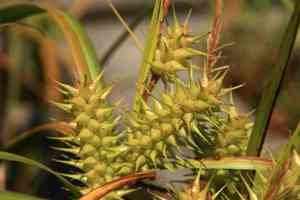
Carex lupulina flourishes optimally when relocated from the beginning of spring to its end, or from the close of autumn through mid-winter. Select a damp spot that receives partial to ample sunlight. This timing facilitates root development under moderate environmental conditions. Consistent irrigation after transplanting improves successful integration.
What Preparations are Needed Before Transplanting False Hop Sedge?
What is the Ideal Time for Transplanting False Hop Sedge?
False hop sedge, a perennial plant, is best moved from early spring to late spring and from late fall to mid-winter. These periods offer optimal soil moisture and moderate temperatures, aiding root establishment. Relocating false hop sedge during these times boosts survival rates, lessens transplant shock, and supports robust growth, ensuring the plant flourishes in its new spot.
How Much Space Should You Leave Between False Hop Sedge Plants?
Ensure you position each false hop sedge with a gap of 12-18 inches (30-45 cm) between them. This provides ample room for growth and spread, preventing competition for nutrients and space.
What is the Best Soil Mix for False Hop Sedge Transplanting?
Prepare well-draining soil enriched with compost or organic matter. False hop sedge prefers damp, fertile soil. You can incorporate a balanced fertilizer like 10-10-10 for a nutritional boost. Aim for a soil pH of 6.0 to 7.5.
Where Should You Relocate Your False Hop Sedge?
Choose a spot that receives partial to full sun. While false hop sedge can endure some shade, they flourish best with at least 4-6 hours of daily sunlight. This will ensure they grow healthy and strong.
What Equipments Should You Prepare Before Transplantation False Hop Sedge?
Gardening Gloves
To safeguard your hands while handling soil and the plant.
Shovel or Spade
To excavate around the plant and create the planting cavity.
Trowel
For more precise digging and soil manipulation.
Watering Can or Hose
To thoroughly hydrate the plant before and after relocation.
Pruning Shears
To trim any damaged roots or foliage.
Mulch
To help retain moisture and inhibit weed growth around the newly transplanted plant.
Bucket or Container
To move the plant if it's being transferred from one location to another.
How Do You Remove False Hop Sedge from the Soil?
How Do You Remove False Hop Sedge from the Soil?
From Ground: First, water the false hop sedge plant to moisten the soil. Then, dig a wide trench around the plant using a shovel or spade, ensuring the plant's root ball remains intact. Carefully work the spade under the root ball to lift the plant from its original spot.From Pot: Gently tap the sides of the pot to loosen the soil. Carefully invert the pot, supporting the plant with your hand, and slide the root ball out. If the plant is root-bound, gently separate the roots.From Seedling Tray: Use a trowel to carefully lift the seedlings from the tray, being cautious to keep as much of the root system intact as possible. Handle the seedlings by their leaves to avoid harming the delicate stems.
Step-by-Step Guide for Transplanting False Hop Sedge
Preparation
Water the false hop sedge plant thoroughly before removal to ensure the roots are hydrated and the soil is easier to manage.
Digging Hole
Select and prepare the new site for the false hop sedge. Dig a hole twice as wide and the same depth as the root ball. This allows the roots to spread out easily in their new location.
Plant Positioning
Place the false hop sedge in the hole at the same depth it was growing previously. Ensure the top of the root ball is level with the ground surface.
Filling Hole
Backfill the hole with soil, gently pressing down to eliminate air pockets while ensuring not to compact the soil too much.
Watering
Water the false hop sedge thoroughly after transplanting to help settle the soil around the roots and provide the necessary moisture.
Applying Mulch
Apply a layer of mulch around the base of the plant, but not touching the stem, to retain moisture and prevent weed growth.
How Do You Care For False Hop Sedge After Transplanting?
Watering
Keep the soil around the false hop sedge consistently moist, but not waterlogged, for the first few weeks after transplanting to help establish strong roots.
Monitoring
Regularly check the false hop sedge for signs of stress such as wilting, yellowing leaves, or stunted growth. Adjust watering as needed.
Pruning
Remove any damaged or dead leaves to direct energy towards establishing new roots.
Protection
Consider using a protective barrier if there are potential threats from pests or extreme weather conditions.
Troubleshooting Common Issues with False Hop Sedge Transplantation.
When is the best time to transplant false hop sedge?
The ideal period for transplanting is from early spring to late spring or late fall to mid-winter.
How much space should I leave between false hop sedge plants?
Maintain a spacing of 12-18 inches (30-45 cm) between plants for optimal growth.
What type of soil suits false hop sedge best?
False hop sedge prefers moist, well-drained soils rich in organic matter for healthy growth.
How deep should I plant false hop sedge?
Plant false hop sedge at the same depth it was originally growing, ensuring the root ball is level with the soil surface.
What should I do to prepare the soil for false hop sedge?
Loosen the soil to about 10 inches (25 cm) deep and mix in compost for added nutrients.
How often should I water false hop sedge after transplanting?
Water false hop sedge thoroughly after transplanting and keep the soil consistently moist, but not waterlogged.
How can I prevent transplant shock in false hop sedge?
Reduce stress by transplanting false hop sedge during cooler parts of the day and providing adequate water immediately after.
Should I fertilize false hop sedge immediately after transplanting?
Wait a few weeks before fertilizing false hop sedge to allow the roots to establish in the new location.
What type of light is best for false hop sedge after transplanting?
False hop sedge thrives in partial shade to full sun; avoid deep shade for best growth.
How can I support young false hop sedge plants post-transplanting?
Mulch around false hop sedge to conserve moisture, suppress weeds, and protect the roots from temperature extremes.



