How to Propagate False hop sedge?
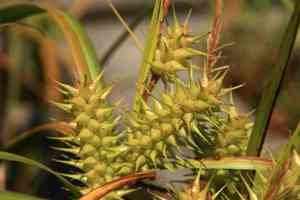
Carex lupulina, frequently encountered in damp habitats, predominantly reproduces via separation. This technique entails meticulously dividing the root ball while the plant is actively growing. For successful propagation of Carex lupulina, it is essential to sustain appropriate moisture levels post-division and confirm that each segment retains enough roots to facilitate robust development. Considering Carex lupulina's affinity for moist surroundings, maintaining consistently hydrated soil will greatly assist its establishment and progression.
When Is the Optimal Time to Propagate False Hop Sedge?
Propagation Method
Division
Propagation Period
Spring,Autumn
What Tools Are Necessary for False Hop Sedge Propagation?
Garden Spade or Sharp Knife
Utilized for separating the root ball of false hop sedge. A keen, clean blade ensures precise cuts, minimizing root damage and encouraging healthier, faster regrowth.
Watering Can with Fine Rose Attachment
Crucial for gently irrigating false hop sedge post-division. The fine rose attachment disperses water evenly, preventing soil erosion around newly planted divisions and aiding root establishment.
Rooting Hormone Powder or Gel
Stimulates root formation on fresh cut surfaces during false hop sedge division. This boosts root growth and increases the survival rate of new plants.
Sterile Potting Mix
Offers a disease-free environment vital for the initial rooting phases after division. Sterile conditions help prevent pathogen introduction that could harm the delicate new roots of false hop sedge.
Labels and Permanent Marker
For marking and identifying individual plants and their specific care requirements during and after propagation. This is important for tracking the progress and growth patterns of false hop sedge.
How to Propagate False Hop Sedge?
Propagation Difficulty
Easy
How to Nurture Your Newly Propagated False Hop Sedge?
How to Nurture Your Newly Propagated False Hop Sedge?
Post-propagation, ensure false hop sedge is placed in an environment mirroring its natural habitat, typically partial shade or a moist, yet well-drained area. Consistent watering is essential, especially during dry spells, to mimic the wet conditions false hop sedge prefers. Monitor for pests and diseases, treating as needed to maintain robust growth. During the growing season, a balanced, slow-release fertilizer can promote vigorous development. Mulching can also help retain soil moisture and suppress weeds.
Common Errors to Avoid When Propagating False Hop Sedge
Insufficient moisture regulation
When propagating false hop sedge, gardeners often either over-irrigate or under-irrigate, potentially leading to root rot or desiccation. Both conditions severely impede root development, crucial for the survival and growth of false hop sedge.
Excessive sun exposure
Many mistakenly expose false hop sedge to direct sunlight during propagation. This species thrives in shaded conditions; too much sun can stress young shoots, causing wilting or scorching.
Incorrect soil composition
False hop sedge requires a specific soil type that is both well-draining and capable of retaining adequate moisture. Using a soil mix that doesn't meet these criteria can hinder root growth and overall plant health.
Advice for Propagating False Hop Sedge
Humidity management
Maintaining a high humidity level is vital for successful false hop sedge propagation. Using a humidity dome or regularly misting the plants can help create an ideal environment for new growth.
Appropriate shading
Providing adequate shade for false hop sedge during propagation will shield young plants from intense sunlight. Utilizing a shade cloth or positioning plants in a naturally shaded spot can ensure optimal growth conditions.
Use of root-promoting agents
Applying a rooting hormone to false hop sedge cuttings can significantly boost root development. This ensures a higher success rate in the propagation process by encouraging strong root systems.



