How to Prune False hop sedge?
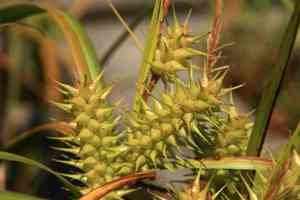
False hop sedge, recognized for its hop-like appearance and affinity for moist, forested environments, needs very little trimming. The best periods for pruning are in early spring or during winter while the plant is inactive. Removing deceased or excessively grown leaves stimulates development and preserves its visual attractiveness. Cut back to living tissue to encourage robust new shoots. Thorough sterilization of tools is essential to avert the transmission of illnesses.
What Are the Benefits of Pruning False Hop Sedge?
What Are the Benefits of Pruning False Hop Sedge?
Trimming false hop sedge promotes robust development and helps maintain its desired form. Strategic cuts enhance air circulation and light penetration, vital for its health and visual appeal.
What Is the Best Time for Pruning False Hop Sedge?
What Is the Best Time for Pruning False Hop Sedge?
Trimming false hop sedge in early spring and winter aligns with the plant's dormant period, minimizing stress and encouraging strong growth during the active season. In early spring, the absence of active growth allows for easier identification of parts to prune without affecting flowering, as false hop sedge blooms later. Winter pruning is beneficial as it prepares false hop sedge for new growth by removing dead or damaged foliage accumulated over the year, which helps prevent disease and promotes healthier, more vigorous growth.
What Tools Do I Need to Prune False Hop Sedge?
Sharp Scissors or Hand Pruners
For false hop sedge, which typically has slender foliage, a pair of sharp scissors or hand pruners is essential. These tools enable precise cuts that help maintain the plant's health and appearance by removing dead or overgrown sections without harming delicate stems.
Gardening Gloves
When trimming false hop sedge, it's advisable to wear gardening gloves to protect your hands. This is because handling the plant may expose gardeners to moisture or sharp edges, and gloves provide a necessary protective barrier.
Garden Shears
If dealing with a larger clump of false hop sedge, garden shears can be useful for tackling thicker, tougher sections of growth. This tool helps make quick work of cutting back larger areas evenly and effectively.
How to Prune False Hop Sedge
Identify
Examine false hop sedge for specific indications of diseased and withered leaves. These typically differ in color, texture, or may exhibit spots suggesting illness.
Sanitize
Before starting pruning, disinfect your pruning tools with a bleach and water solution to prevent the spread of any pathogens to healthy parts of false hop sedge.
Cut
Using sharp, clean shears, carefully remove the diseased and withered leaves at their base, close to the ground. Ensure cuts are clean and minimize damage to surrounding foliage.
Dispose
Properly discard the removed leaves to avoid spreading any disease. Do not compost diseased material as it can contaminate the compost and reintroduce the disease into your garden.
Monitor
Regularly observe false hop sedge after pruning for any signs of new growth or recurring issues. Prompt action can prevent further disease spread and support healthier development.
Common Pruning Mistakes with False Hop Sedge
Over-pruning
Removing too much foliage at once can stress false hop sedge, leading to weak growth and reduced vigor. It is crucial not to remove more than one-third of the foliage in any single pruning session.
Incorrect tool usage
Using dull or unclean pruning tools can damage the stems of false hop sedge, resulting in jagged cuts that heal poorly and increase susceptibility to diseases.
Pruning too frequently
False hop sedge does not require very frequent pruning. Excessive cutting can hinder natural growth patterns and potentially diminish the plant's health and aesthetic appeal.
Common Pruning Tips for False Hop Sedge
Use sharp tools
Employ sharp, clean pruning shears to make precise cuts. This aids in quick healing and lessens the risk of infection.
Focus on dead or damaged foliage
Concentrate on removing dead, damaged, or diseased foliage to help maintain the health of false hop sedge. This not only cleans up the plant but also improves air circulation and light penetration.
Shape during active growth
Trim false hop sedge strategically to maintain or enhance its natural form. Small, careful snips can help guide the plant's shape without causing drastic changes that might affect its growth.



