How to Transplant Louisiana sedge?
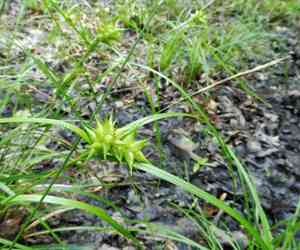
Louisiana sedge flourishes when moved from early spring through late spring, or from late autumn into winter, owing to mild temperatures. Select a site offering partial shade to full sunlight and consistently damp earth. Shifting the plant during these intervals minimizes transplant stress.
What Preparations are Needed Before Transplanting Louisiana Sedge?
What is the Ideal Time for Transplanting Louisiana Sedge?
Louisiana sedge, a perennial plant, thrives best when moved from early to late spring or from late autumn to late winter. These periods offer mild temperatures and sufficient soil moisture, minimizing transplant shock and encouraging robust root development. Relocating louisiana sedge during these times ensures optimal growth and establishment for the upcoming growing season.
How Much Space Should You Leave Between Louisiana Sedge Plants?
When transplanting louisiana sedge, ensure to space them approximately 12-18 inches (30-45 cm) apart to allow for ample growth and air circulation. This spacing helps prevent overcrowding and promotes healthy development.
What is the Best Soil Mix for Louisiana Sedge Transplanting?
Prepare a well-drained, moisture-retentive soil blend with equal parts compost and garden soil for louisiana sedge. Incorporate a base fertilizer like balanced organic compost to enhance nutrient availability and encourage strong, healthy growth.
Where Should You Relocate Your Louisiana Sedge?
Choose a location that receives partial to full shade for transplanting louisiana sedge. This perennial prefers conditions that mimic its natural woodland habitat, providing relief from harsh, direct sunlight while still receiving ample indirect light.
What Equipments Should You Prepare Before Transplantation Louisiana Sedge?
Gardening Gloves
To safeguard your hands while handling soil and plants.
Shovel or Spade
For excavating and lifting the plant from the ground.
Trowel
Useful for digging smaller holes or making precise adjustments.
Pruning Shears
To trim any damaged roots or foliage.
Watering Can or Hose
To hydrate the plant before and after relocation.
Bucket or Container
For transporting the plant if necessary.
Mulch
To retain moisture and protect the root zone of the newly planted specimen.
How Do You Remove Louisiana Sedge from the Soil?
How Do You Remove Louisiana Sedge from the Soil?
From Ground: First, water the louisiana sedge plant to moisten the soil. Then, dig a wide trench around the plant using a shovel or spade, ensuring the plant's root ball remains intact. Carefully work the spade under the root ball to lift the plant from its original location.From Pot: Loosen the plant by gently tapping the sides of the pot. Hold the base of the plant and tip the pot to slide the plant out. If it’s stuck, use a trowel to gently loosen the root ball.From Seedling Tray: Water the seedlings well before removing. Use a dibber or the end of a spoon to gently lift each seedling from the tray, ensuring you handle them by the leaves and not the delicate stem.
Step-by-Step Guide for Transplanting Louisiana Sedge
Site Preparation
Prepare the new location by digging a hole twice as wide and just as deep as the plant's root ball. Loosen the soil at the bottom to allow for easy root penetration.
Prepare the Plant
Trim any damaged or overly long roots with pruning shears. This can stimulate new growth once the plant is in its new location.
Transplanting the Plant
Place the louisiana sedge into the prepared hole, ensuring the top of the root ball is level with the surrounding soil. Gently backfill the hole with soil, pressing down lightly to remove any air pockets.
Watering
Water the plant thoroughly immediately after transplanting. This helps settle the soil around the roots and reduces transplant shock.
Mulching
Apply a layer of mulch around the base of the plant, but avoid piling it against the stem. This helps retain moisture and regulate soil temperature.
How Do You Care For Louisiana Sedge After Transplanting?
Watering
Keep the soil around the louisiana sedge consistently moist, but not soggy, for the first few weeks after transplanting to help establish strong roots.
Monitoring
Keep an eye on the plant for the first few weeks. Look for signs of transplant shock like wilting or yellowing leaves and address them promptly.
Mulching Upkeep
Ensure that the mulch layer remains intact and replenished as needed to maintain its benefits.
Pest Control
Regularly check for any pests or diseases and take appropriate action if any are found.
Troubleshooting Common Issues with Louisiana Sedge Transplantation.
When is the best time to transplant louisiana sedge?
Transplant louisiana sedge from early spring to late spring or late fall to late winter for best results.
How much spacing do louisiana sedge transplants need?
Ensure louisiana sedge transplants are spaced 12-18 inches (30-45 cm) apart for optimal growth.
How do I prepare the soil before transplanting louisiana sedge?
Loosen the soil to a depth of 10 inches (25 cm) and enrich with compost or organic matter.
Should I water louisiana sedge immediately after transplanting?
Yes, water louisiana sedge thoroughly after transplanting to help establish strong roots.
Do louisiana sedge transplants require any special care during hot weather?
Provide additional water and mulch to keep the roots cool if temperatures rise above 85°F (29°C).
How deep should I plant louisiana sedge transplants?
Plant louisiana sedge transplants at the same depth as they were in the pots, ensuring roots are covered.
Can I use fertilizer when transplanting louisiana sedge?
Use a balanced, slow-release fertilizer during transplanting to support healthy growth and root development.
How do I handle root-bound louisiana sedge transplants?
Gently tease apart root-bound roots or make small cuts to encourage new growth before planting.
What should I do if louisiana sedge transplants show signs of stress?
Ensure consistent watering, proper spacing, and check for pests to reduce stress on louisiana sedge transplants.
Can louisiana sedge be transplanted in containers?
Yes, louisiana sedge can be transplanted into containers with good drainage and enough space for root growth.



