How to Prune Louisiana sedge?
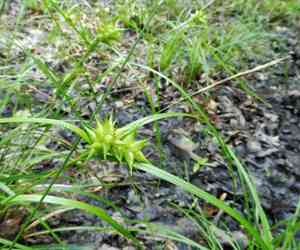
Originating from marshy regions, louisiana sedge flourishes in damp ground, exhibiting a charmingly clustered form. Trimming ought to be performed in early spring or during winter, prior to the emergence of fresh shoots. Cut away any deceased or aged leaves to encourage robust development and preserve an appealing silhouette. This procedure not only revitalizes the plant but also aids in averting ailments by improving air movement among the clusters. Regular trimming is crucial for sustaining louisiana sedge's vitality and aesthetic value.
Advantages of Trimming Louisiana Sedge
Advantages of Trimming Louisiana Sedge
Trimming louisiana sedge promotes robust development and maintains its intended form. Consistent cutting ensures healthy, thick foliage, contributing to a more visually pleasing environment.
Optimal Period for Trimming Louisiana Sedge
Optimal Period for Trimming Louisiana Sedge
Trimming or cutting louisiana sedge in early spring is beneficial because this period follows dormancy and precedes rapid spring growth, allowing the plant to heal efficiently and redirect energy to new growth. Winter pruning is also suitable as louisiana sedge is dormant then. This season minimizes plant stress, reduces pest and disease risk on cuts, and prepares louisiana sedge for vigorous spring growth.
Required Tools for Trimming Louisiana Sedge
Hand Pruners (also known as secateurs)
Perfect for trimming and shaping louisiana sedge due to their precise cutting ability, which preserves the plant's delicate structure. These tools enable gardeners to remove dead or overgrown parts without harming healthy tissues.
Grass Shears
Effective for cutting smaller, ground-level sections of louisiana sedge, especially in confined areas where larger tools might damage nearby plants. This ensures a tidy look and encourages healthy growth by removing excess foliage.
Pruning Saws
Useful for larger, tougher debris that might accumulate around louisiana sedge, such as thick, overgrown roots or old flower stalks. Their serrated blades are designed for woody material, making cleanup efficient while minimizing harm to the plant's base.
How to Trim Louisiana Sedge
Identify
Examine louisiana sedge to locate diseased and withered leaves. This involves checking for any spots, discoloration, or signs of pest damage on the foliage.
Disinfect
Sanitize your pruning shears. Clean them with a bleach solution or rubbing alcohol. This prevents the spread of any pathogens during pruning.
Trim
Carefully remove the diseased and withered leaves. Using your disinfected shears, cut the leaves at their base where they meet the stem, ensuring not to damage healthy parts.
Clean
Properly dispose of the removed leaves. Do not compost them as they may harbor diseases. It is crucial to remove all traces of cut leaves from around louisiana sedge to prevent disease spread.
Water
Water louisiana sedge appropriately after pruning, making sure to avoid overhead watering, which can encourage disease. Focus on watering at ground level to keep remaining leaves dry.
Common Trimming Errors with Louisiana Sedge
Over-trimming
Removing too much foliage from louisiana sedge can stress the plant, hindering its growth or resulting in a sparse appearance.
Incorrect timing
Trimming louisiana sedge at the wrong time can prevent it from thriving properly, as some growth recovery processes are influenced by seasons.
Inappropriate tools
Using dull or dirty tools can damage the delicate stems of louisiana sedge, potentially introducing disease to the plant.
General Trimming Advice for Louisiana Sedge
Utilize sharp tools
Ensure tools are sharp and clean to make precise cuts that promote rapid healing and reduce disease risk.
Selective trimming
Focus on removing only dead or damaged foliage to maintain the health and aesthetic of louisiana sedge, improving air circulation and light penetration.
Shape upkeep
Regularly trim to maintain the desired shape and density of louisiana sedge, encouraging a fuller and more attractive growth pattern.



