How to Propagate Louisiana sedge?
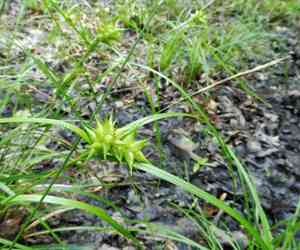
Louisiana sedge flourishes when multiplied via separation. This technique entails meticulously dividing the rhizomes or root masses to produce distinct new specimens. During the division process, verify that every segment possesses adequate roots and shoots to encourage robust development. This approach facilitates swift establishment and assists in preserving the vigorous health of louisiana sedge.
Optimal Time for Louisiana Sedge Propagation
Propagation Method
Division
Propagation Period
Spring,Autumn
Tools for Louisiana Sedge Propagation
Sharp garden knife or spade
A keen garden knife or spade is vital for safely and effectively dividing louisiana sedge. These implements facilitate clean cuts through roots, minimizing plant damage and stress. Sharpness ensures precise incisions, promoting faster recovery and reducing disease risk.
Watering can with a gentle shower nozzle
Following louisiana sedge division, it's essential to thoroughly water new divisions to aid root establishment. A watering can with a soft shower nozzle delivers a gentle, even spray that moistens the soil without dislodging or harming delicate new roots.
Rooting hormone
Applying a rooting hormone to the cut root sections of louisiana sedge can boost root development and improve propagation success. This is especially beneficial for encouraging robust new growth from divided parts, ensuring more effective establishment in their new environment.
Garden fork
A garden fork is useful for initially loosening the soil around louisiana sedge without significantly disturbing the roots. It allows for easier, gentler lifting of the plant from the ground, ensuring a healthier division process by preserving as much of the root system as possible.
Gardening gloves
Wearing gardening gloves when handling louisiana sedge protects the propagator's hands and prevents potential pathogen transfer or damage to the plant's sensitive tissues during division. Gloves ensure a firm, safe grip throughout propagation.
How to Propagate Louisiana Sedge?
Propagation Type
Easy
Caring for Newly Propagated Louisiana Sedge
Caring for Newly Propagated Louisiana Sedge
Post-propagation, maintain consistently moist soil for louisiana sedge, especially during dry spells, but avoid saturation. Apply a mulch layer around plants to retain moisture and suppress weeds. Minimal fertilization is needed; if desired, use a balanced, slow-release fertilizer in early spring. Monitor for pests and diseases, treating issues promptly to prevent spread.
Common Mistakes to Avoid When Propagating Louisiana Sedge
Overwatering
Excessive watering can lead to root rot and fungal infections due to waterlogged conditions, which is detrimental to louisiana sedge's health. Although louisiana sedge thrives in moist environments, proper drainage is crucial to prevent too much moisture.
Using poor substrate
A non-porous or low-quality growing medium can hinder root growth and water drainage, resulting in poor health and propagation failure for louisiana sedge. It's important to use a well-draining, nutrient-rich substrate for optimal outcomes.
Deep planting
Planting louisiana sedge too deeply can impede proper root development and shoot emergence. Placing rhizomes too far down may prevent their effective growth.
Tips For Propagating Louisiana Sedge
Proper division technique
Use clean, sharp tools to divide rhizomes during propagation to ensure minimal damage to louisiana sedge. Gently separating rhizomes ensures each section has adequate roots and shoots for successful replanting.
Moisture management
Maintain consistent moisture levels without overwatering. Using a moist substrate that mimics louisiana sedge's natural wetland habitat will support the rooting process while preventing waterlogging.
Adequate sunlight exposure
Provide louisiana sedge with partial to full sunlight exposure depending on specific environmental conditions. Sufficient light supports the photosynthetic and growth requirements essential for healthy propagation.



