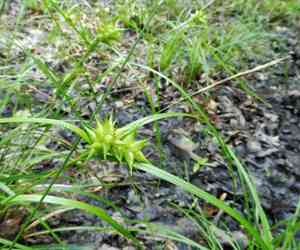
Louisiana sedge (Carex louisianica)
Also known as: Louisiana Sedge
Carex louisianica, or Louisiana sedge, is a perennial plant native to North America, predominantly found in the southeastern United States. This species thrives in wet, swampy areas, such as marshes and wet forests. It blooms in the spring and produces fruit in late spring to summer.
In This Article
Attributes of Louisiana sedge
Lifespan
Perennial
Plant Type
Grass
Plant Height
30 cm to 91 cm
Spread
Not typically applicable for sedges
Leaf Color
Green
Flower Size
Less than 1 cm
Flower Color
Green, brownish
Images of Louisiana sedge
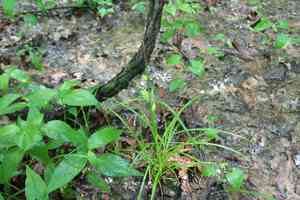
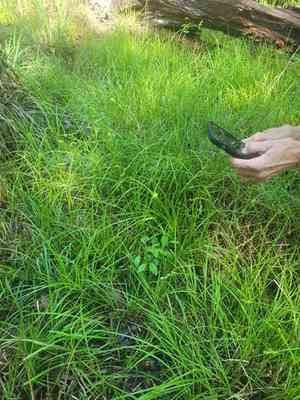
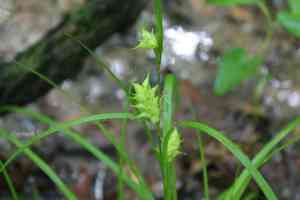
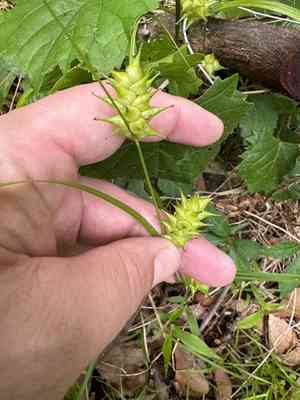
Quickly Identify Louisiana sedge
1
Carex louisianica can be identified by its grass-like leaves that grow in dense clumps. It has a triangular stem and produces small, inconspicuous flowers arranged in spikelets.
Scientific Classification of Louisiana sedge
Phylum
Vascular plants
Class
Monocotyledons
Order
Poales
Family
Sedge
Genus
True sedges
Species
Louisiana sedge
Planting and Growing of Louisiana sedge
Care Difficulty
Easy
Watering Schedule
Every 4 days
Sunlight Requirements
Partial sun
Sunshine Duration
4-8 hours
Ideal Temperature
60-77℉
Soil Type
Potting Mix, Peat Mix
Soil pH
6.5-7.5
Fertilizer Type
Balanced
Pruning Season
Spring, Summer
Pruning Area
Branches, Leaves
Pruning Frequency
2 times a year
Repotting Season
Spring
Pot Type
Plastic, Ceramic
 How to Water Louisiana sedge?
For Carex louisianica, aim for a watering amount of about 500 milliliters per session. This should sufficiently moisten the soil without waterlogging it. Ensure the water penetrates deeply but avoid leaving any puddles at the surface. The goal is to keep the soil consistently moist but not soggy.
What are the symptoms of an underwatered Louisiana sedge?
›
What should I do if my Louisiana sedge is not getting enough water?
›
What are the symptoms of an overwatered Louisiana sedge?
›
How to save an overwatered Louisiana sedge?
›
 What Are the Sunlight Requirements for Louisiana sedge?
Carex louisianica ideally enjoys environments with partial sun to full shade. This ensures that the plant maintains its lush appearance, maximizing its growth and vibrancy by aligning with its natural habitat preferences.
What kind of lighting does Carex louisianica prefer?
›
How can you achieve ideal lighting conditions for Carex louisianica?
›
What benefits will proper lighting have on Carex louisianica?
›
 What Is the Ideal Temperature Range for Louisiana sedge?
The ideal temperature range for Carex louisianica is between 60°F and 77°F. In these conditions, the plant can photosynthesize effectively, ensuring healthy growth and reproduction. The moderate temperatures support the plant's enzymatic activities, promoting overall vitality.
 What Soil is Best for Louisiana sedge?
Carex louisianica thrives in moist environments, making it essential to maintain consistently moist soil. This condition enhances the plant's vitality, promoting robust growth and lush foliage. This plant prefers soil that is rich in nutrients. A well-balanced soil medium supports healthy root development, which in turn fosters vibrant shoots and dense clumping. While Carex louisianica favors moist conditions, good drainage prevents root rot. Well-drained soils help maintain the delicate balance between moisture retention and aeration.
 How to Fertilize Louisiana sedge?
Carex louisianica requires a balanced approach to fertilization. For liquid fertilizers, apply at a rate of one teaspoon per gallon of water. For slow-release granular fertilizers, use one tablespoon per square foot of planting area. Too much fertilizer can damage the roots and leaves, so it's crucial to stick to recommended amounts.
 How to Prune Louisiana sedge?
Begin by disinfecting your pruning shears to prevent any disease transmission. Identify dead or damaged leaves and stems; these should be removed first. Trim down the plant to about one-third of its height, cutting above a leaf joint for optimal results. Finish by cleaning the area, removing all cut foliage to prevent decay and pests.
More About Pruning Techniques→
 How to Propagate Louisiana sedge plant?
1
Collect seeds from mature Carex louisianica plants in late summer or early autumn. Look for seeds that are brown and dry, indicating that they are ripe for harvesting. Clean the seeds to remove any debris or pulp for the best germination results.
2
Use seed-starting mix or well-draining soil for seed trays. Fill the trays with soil, leaving about an inch of space at the top. Moisten the soil with water, making sure it's damp but not waterlogged. This step is essential to provide the seeds with an ideal environment to start growing.
3
Sow the seeds evenly across the prepared soil surface, then cover them lightly with a thin layer of soil. Place the tray in a warm location with indirect sunlight. Water gently but regularly to keep the soil moist. Avoid direct sunlight to prevent the young plants from drying out.
 How to Repot Louisiana sedge plant?
1
Watch for signs like roots growing through the drainage holes or the plant appearing stunted or top-heavy—indicators that Carex louisianica needs more space. Typically, spring or autumn is ideal for repotting, as this aligns with natural growth phases, giving the plant optimal conditions to adapt.
2
Select a pot just one size larger than the current one to prevent excessive soil moisture, which can lead to root rot. The pot should have drainage holes for excess water to escape, maintaining healthy roots and preventing waterlogging. A shallow, wide pot can be an excellent choice, allowing the roots to spread comfortably.
3
Choose a well-draining potting mix, possibly incorporating sand or perlite for aeration. This ensures that the Carex louisianica roots receive adequate oxygen, promotes healthy drainage, and prevents water from sitting at the root level, which could hinder growth or lead to disease.
Learn More About Louisiana sedge Diseases
Anthracnose
Bacterial Leaf Spot
Bacterial Soft Rot
Bacterial Wilt
Black Spot
Chemical Injury
Cyst Nematode
Damping-off
Downy Mildew
Drought Stress
Fusarium Wilt
Gray Mold
Leaf Spot
Mosaic
Nutrient Deficiency
Nutrient Toxicity
Powdery Mildew
Root Rot
Root-knot Nematode
Rusts
Sooty Mold
Spider Mites
Temperature Stress
Thrips Damage
White Mold



