How to Transplant Livid sedge?
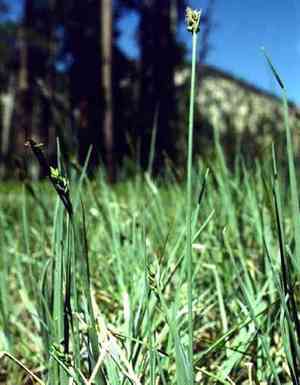
Livid sedge flourishes when relocated between early and mid-spring or in late autumn, benefiting from cooler conditions and ideal soil hydration. Select a site with partial shade and continuous dampness for optimal growth. Refrain from moving the plant during peak summer heat to minimize strain.
What Preparations are Needed Before Transplanting Livid Sedge?
What is the Ideal Time for Transplanting Livid Sedge?
Livid sedge, a perennial plant, is best moved from early to late spring or during late autumn. These periods offer prime growing conditions due to mild temperatures and ample precipitation. Relocating at these times minimizes plant stress and encourages robust root development, leading to a healthier, more resilient livid sedge.
How Much Space Should You Leave Between Livid Sedge Plants?
When relocating livid sedge, position each plant 12-18 inches (30-45 cm) apart. This spacing allows them to grow without competing for resources and provides sufficient room for their roots to establish.
What is the Best Soil Mix for Livid Sedge Transplanting?
Prepare well-draining, slightly acidic soil rich in organic matter. Enhance the planting area with compost or a balanced slow-release fertilizer beforehand to supply essential nutrients for livid sedge.
Where Should You Relocate Your Livid Sedge?
Select a spot that provides partial sun to light shade. Livid sedge thrives best in locations where they receive a mix of sunlight and shade for optimal growth.
What Equipments Should You Prepare Before Transplantation Livid Sedge?
Gardening Gloves
To safeguard your hands while working with the soil and plant.
Trowel
To excavate small holes and manage the soil.
Shovel or Spade
For digging larger holes and loosening the existing soil.
Watering Can or Hose
To hydrate the soil before and after relocation.
Wheelbarrow
To transport the plant, soil, and any other materials.
Plant Tag
To mark the new planting site for future reference.
Mulch
To help retain soil moisture and inhibit weed growth.
How Do You Remove Livid Sedge from the Soil?
How Do You Remove Livid Sedge from the Soil?
From Ground: First, water the livid sedge plant to moisten the soil. Then, dig a wide trench around the plant using a shovel or spade, ensuring the plant's root ball remains intact. Carefully work the spade under the root ball to lift the plant from its original location.From Pot: Ensure the soil is damp, then gently invert the pot while supporting the plant's base. Tap the bottom of the pot to loosen the soil. Carefully slide the plant out, taking care not to harm the roots.From Seedling Tray: Water the seedlings thoroughly before removal. Use a small implement like a trowel or the edge of a spoon to gently loosen the soil around each seedling. Lift the seedlings by the base of the stem, ensuring you retrieve a good portion of the root.
Step-by-Step Guide for Transplanting Livid Sedge
Prepare the New Site
Choose a planting location suitable for the livid sedge plant. Dig a hole twice the width and the same depth as the root ball.
Amend the Soil
Enrich the soil, if necessary, to meet the specific requirements of the livid sedge plant. Mix in compost or other organic material for improved growth.
Transplanting the Plant
Place the livid sedge plant in the hole, ensuring that it sits at the same depth as it did in its original location. Fill the hole with soil, gently firming it around the root ball.
Water Thoroughly
After planting, water the livid sedge plant thoroughly to help settle the soil around the roots.
Apply Mulch
Spread a layer of mulch around the new planting site to retain moisture and suppress weed growth.
How Do You Care For Livid Sedge After Transplanting?
Watering
Keep the soil around the livid sedge consistently moist, but not waterlogged, for the first few weeks after transplanting to help establish strong roots.
Monitoring
Check the livid sedge plant regularly for signs of stress or shock, such as wilting or yellowing leaves, and adjust care as needed.
Mulching
Maintain the mulch layer to help retain soil moisture and regulate soil temperature.
Fertilizing
Wait a few weeks before applying any fertilizer to avoid stressing the plant. Then, use a balanced fertilizer to provide necessary nutrients.
Troubleshooting Common Issues with Livid Sedge Transplantation.
When is the best time to transplant livid sedge?
Early spring to late spring or late fall is ideal for transplanting livid sedge.
How should I space the livid sedge plants?
Ensure plants are spaced 12-18 inches (30-46 cm) apart for optimal growth.
What soil conditions does livid sedge prefer?
Livid sedge thrives in moist, well-drained soil with a neutral to acidic pH.
How do I prepare livid sedge for transplanting?
Water the plant thoroughly a few days before moving it to reduce transplant shock.
Should I fertilize livid sedge immediately after transplanting?
Wait a few weeks post-transplant before fertilizing, allowing the plant to establish roots.
How deep should livid sedge be planted?
Plant livid sedge at the same depth it was previously growing to avoid stress.
What is the best way to water livid sedge after transplanting?
Water deeply immediately after transplanting and keep the soil consistently moist.
Can livid sedge be transplanted in hot weather?
Avoid transplanting in hot weather as it increases the risk of transplant shock.
What is the ideal tool for digging up livid sedge?
Use a garden spade or fork to carefully dig around the roots without damaging them.
How to handle livid sedge roots while transplanting?
Handle roots gently and keep them moist to prevent drying out during the process.



