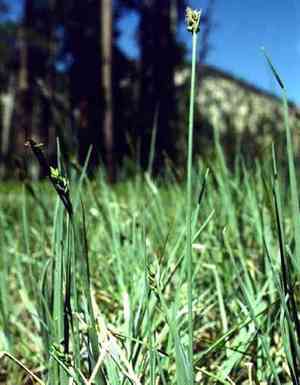
Livid sedge (Carex livida)
Also known as: Livid Sedge, Pale Sedge
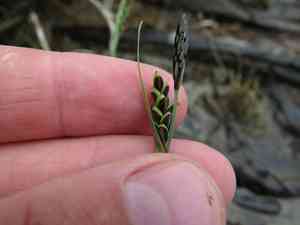
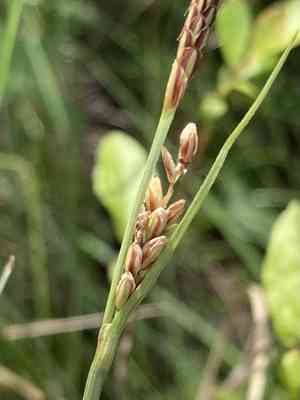
This sedge grows in small clumps, with stems reaching heights of 50 to 55 centimeters. Its leaves are stiff, leathery, and have a pale, waxy blue-gray appearance with channels on their surfaces. The plant features distinct pistillate (female) and staminate (male) spikes within its inflorescence. While it primarily spreads via rhizomes, it also reproduces by generating seeds.
In This Article
Attributes of Livid sedge
Lifespan
Perennial
Plant Type
Grass
Plant Height
15 cm to 41 cm
Spread
0.2 - 0.4 meters
Leaf Color
Blue-green
Flower Size
Not applicable (flowers are small spikelets)
Flower Color
Yellow Red Brown
Images of Livid sedge
Quickly Identify Livid sedge
1
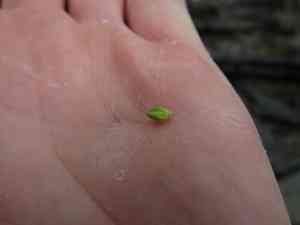
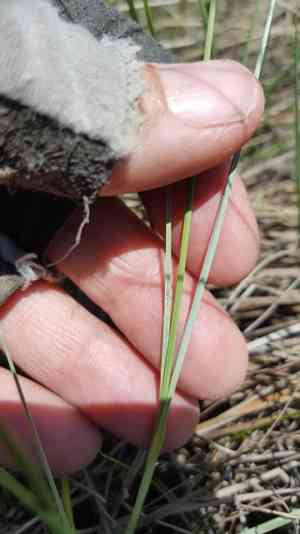
Carex livida can be identified by its blue-gray to blue-green leaves, which are typically 3-6 mm wide and have a V-shaped cross-section. It produces spikes of flowers that are brownish-green to pale in color.
Scientific Classification of Livid sedge
Phylum
Vascular plants
Class
Monocotyledons
Order
Poales
Family
Sedge
Genus
True sedges
Species
Livid sedge
Planting and Growing of Livid sedge
Care Difficulty
Moderate
Watering Schedule
Every 2 days
Sunlight Requirements
Partial sun
Sunshine Duration
6-12 hours
Ideal Temperature
50-68℉
Soil Type
Potting Mix, Peat Mix
Soil pH
5.5-7.5
Fertilizer Type
Balanced
Pruning Season
Spring, Summer
Pruning Area
Branches, Leaves
Pruning Frequency
2 times a year
Repotting Season
Spring
Pot Type
Plastic, Ceramic
 How to Water Livid sedge?
When watering Carex livida, aim to keep the soil consistently moist but not waterlogged. The plant enjoys wet conditions, typical of its natural marshy habitats. Ensure the top layer of the soil is always slightly damp and check the soil moisture regularly.
What are the symptoms of an underwatered Livid sedge?
›
What should I do if my Livid sedge is not getting enough water?
›
What are the symptoms of an overwatered Livid sedge?
›
How to save an overwatered Livid sedge?
›
 What Are the Sunlight Requirements for Livid sedge?
Carex livida is best suited to environments with filtered sunlight or partial shade. This range helps maintain leaf coloration and supports steady growth without exposing the plant to harsh conditions.
How much sunlight is optimal?
›
What are effective ways to achieve this light condition?
›
What benefits come from ideal light conditions?
›
 What Is the Ideal Temperature Range for Livid sedge?
Carex livida thrives best within a temperature range of 50°F to 68°F. This range provides optimal conditions for photosynthesis and growth. It's important to maintain this range to ensure healthy foliage and root development.
 What Soil is Best for Livid sedge?
Carex livida thrives in moist environments where the soil retains water well without becoming waterlogged. This moisture retention is crucial for the plant as it ensures a steady supply of water, promoting healthy growth and vibrant foliage. Having nutrient-rich soil is vital for Carex livida, as the nutrients support vigorous root development and robust plant health. Incorporating organic matter like compost enhances the soil's fertility, providing ample nourishment necessary for lush growth. While moisture is key, proper drainage in the soil is equally important to prevent root rot. Carex livida benefits from soils that allow excess water to drain effectively, ensuring roots have access to oxygen and reducing the risk of diseases.
 How to Fertilize Livid sedge?
When fertilizing Carex livida, it’s crucial to apply the appropriate amount. For liquid fertilizer, mix it at half the concentration recommended for houseplants to avoid over-fertilization. Apply approximately 50-100 ml per plant, ensuring it's well diluted. Solid fertilizers should be applied sparingly, about a tablespoon per plant, making sure the granules don't touch the foliage.
 How to Prune Livid sedge?
Before starting, carefully inspect your Carex livida for any dead, damaged, or diseased foliage. This will help you identify which parts need pruning and prevent unnecessary cuts. Gently cut back any brown or damaged leaves at the base. For healthier leaves that are overgrown, trim them to a uniform height, about 3 to 4 inches from the ground. Carex livida tends to grow in a clumping fashion. You can enhance its natural shape by trimming to promote a more compact, rounded form. Remove any offshoots that stray from the main clump.
More About Pruning Techniques→
 How to Propagate Livid sedge plant?
1
Water the parent plant a day before you plan to divide it to ensure it is well-hydrated. Healthy, well-hydrated parent plants recover faster from the division process, leading to more successful offspring.
2
Carefully dig around the plant using a spade; aim to loosen the root ball while avoiding cutting into roots excessively. Gently lift the plant from the soil, taking care to keep as much of the root structure intact as possible.
3
After removing the plant, use a sharp knife or spade to divide the root clumps, ensuring each new division has roots and shoots. Remove any dead or diseased parts, and ensure each section has a sufficient root system for better survival rates.
 How to Repot Livid sedge plant?
1
Carex livida should be repotted when it shows signs of being root-bound, such as roots growing out of the drainage holes or stunted growth. Spring and autumn are ideal seasons due to moderate temperatures and active root growth.
2
Choose a pot that is 1-2 inches larger in diameter than the current one. Ensure it has adequate drainage holes to prevent waterlogging, which can lead to root rot. A slightly larger pot provides room for growth while avoiding excess soil that retains too much moisture.
3
Select a soil that retains moisture yet drains well, mimicking the plant’s natural boggy habitat. A mix of peat, perlite, and sand often works well. This combination prevents root rot while maintaining necessary dampness for optimal growth.
Learn More About Livid sedge Diseases
Anthracnose
Bacterial Leaf Spot
Bacterial Soft Rot
Damping-off
Downy Mildew
Drought Stress
Fusarium Wilt
Gray Mold
Leaf Spot
Mosaic
Nutrient Deficiency
Nutrient Toxicity
Powdery Mildew
Root Rot
Root-knot Nematode
Rusts
Sooty Mold
Spider Mites
Temperature Stress
Thrips Damage
White Mold
Chemical Injury



