How to Propagate Livid sedge?
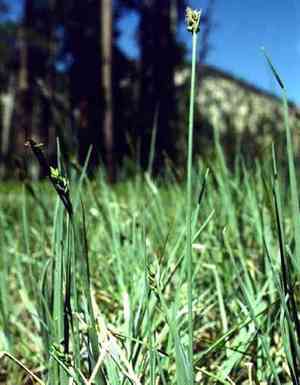
Carex livida, a member of the Carex family, flourishes in marshy environments. The most effective method for propagation involves dividing the plant, meticulously separating sections to encourage fresh development. It is crucial to perform this division with minimal disruption to the root system, and promptly re-establish the divisions in damp, adequately draining soil to sustain their health. Consistent irrigation will facilitate their integration. Always consult authoritative gardening resources to guarantee adherence to optimal procedures.
Optimal Period for Livid Sedge Propagation
Propagation Method
Division
Propagation Period
Spring,Autumn
Tools for Livid Sedge Propagation
Spade
A spade is vital for excavating mature livid sedge clumps. It aids in cleanly separating the root mass without excessive harm, ensuring a healthy division.
Garden Fork
A garden fork is useful for gently lifting and loosening the soil around livid sedge, minimizing root disruption. Its tines are beneficial for carefully teasing apart roots during division.
Pruning Shears
Pruning shears are necessary for cutting and trimming excess foliage and roots of livid sedge. Sharp, clean cuts help prevent infections and promote healthy regrowth.
Horticultural Knife
A horticultural knife is essential for precise and clean cutting of livid sedge root clumps. It's particularly beneficial for accurate divisions of the root ball to ensure each new plant has sufficient roots.
Rooting Hormone
Rooting hormone assists in stimulating root development on new livid sedge divisions. It enhances the chances of successful establishment and reduces transplant shock.
Watering Can with Fine Rose
A watering can with a fine rose ensures gentle irrigation of livid sedge divisions, maintaining soil moisture without causing erosion or displacement of newly planted sections.
Garden Gloves
Garden gloves protect hands from injury while handling livid sedge and its surrounding soil, ensuring safe and comfortable handling throughout the propagation process.
Potting Medium
A high-quality potting medium provides the necessary nutrients and drainage for livid sedge divisions to establish strong roots and thrive post-division.
Propagating Livid Sedge
Propagation Type
Easy
Post-Propagation Care for Livid Sedge
Post-Propagation Care for Livid Sedge
Following propagation, ensure livid sedge receives adequate moisture, especially during dry spells. It's crucial to keep the soil consistently damp but not waterlogged. Regularly inspect for pests or diseases, and remove any dead or damaged foliage to encourage robust growth. Fertilize sparingly with a balanced fertilizer during the growing season to support vigorous development. Be mindful of livid sedge's preference for partial shade to full sun and adjust its placement accordingly.
Common Errors to Avoid When Propagating Livid Sedge
Overwatering
Excessive water can lead to root rot, which can impede the plant's ability to grow and propagate successfully.
Improper Soil Type
Using soil that retains too much moisture or lacks adequate drainage can result in poor root development.
Inadequate Light
Placing the plant in either too much or too little light can affect its growth and the success rate of propagation.
Neglecting Humidity
Failing to maintain appropriate humidity levels can dry out the plant, impacting its overall health and ability to propagate.
Incorrect Division Technique
Improperly dividing the plant can damage roots and stems, potentially leading to unsuccessful propagation.
Advice for Propagating Livid Sedge
Moderate Watering
Water the plant moderately and ensure the soil is well-draining to prevent waterlogging and root rot.
Right Soil Mix
Use a soil mix that balances moisture retention with good drainage, such as sandy or loamy soil.
Proper Lighting
Place the plant in an area with bright, indirect light to support healthy growth without causing leaf burn.
Maintain Humidity
Keep humidity levels moderately high, especially during the initial propagation phase, to support moisture needs.
Careful Division
When dividing the plant, ensure clean cuts and minimize root disturbance to encourage new growth and successful propagation.



