How to Transplant Lakeshore sedge?
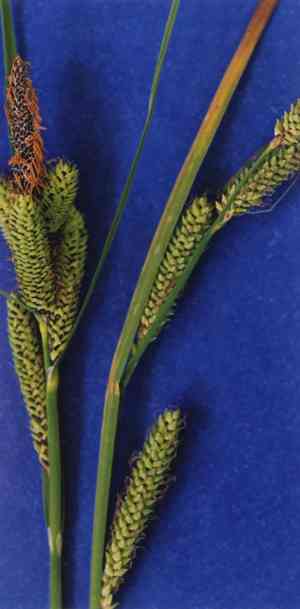
The ideal period for transplanting lakeshore sedge is as the mildness of late spring transitions into the gentle warmth of early summer. Select a location that retains moisture and offers dappled sunlight. Handle the root system with care to safeguard lakeshore sedge's inherent resilience.
Essential Preparations Before Relocating Lakeshore Sedge?
When is the Best Time to Move Lakeshore Sedge?
For lakeshore sedge, the optimal period for root establishment is after the final frost, once the soil has warmed. This timeframe, often referred to as 'the season of new growth', typically occurs from late April to June. Transplanting lakeshore sedge then allows it to benefit from longer days and milder weather, ensuring a strong start. Moving lakeshore sedge during this window ensures it has the summer to strengthen, building resilience before colder months arrive.
What is the Recommended Spacing Between Lakeshore Sedge Plants?
Hello, gardening enthusiast! Before introducing lakeshore sedge to your garden, provide ample room for root expansion. Position your lakeshore sedge approximately 15-20 inches (38-50 cm) apart. This spacing guarantees each plant has sufficient area to flourish and display its beauty.
What is the Optimal Soil Blend for Lakeshore Sedge Relocation?
To create an inviting environment for lakeshore sedge, prepare a soil mixture that drains well yet retains some moisture. Incorporating organic matter is an excellent starting point. A gentle, slow-release fertilizer will provide your lakeshore sedge with a nurturing boost as they settle into their new spot.
Where Should You Replant Your Lakeshore Sedge?
Let's locate a sunny spot with a touch of afternoon shade for your lakeshore sedge. They enjoy sunlight but appreciate a reprieve from the day's intense heat. This balance helps them remain vibrant and healthy, ready to enhance your garden with their presence.
What Tools Should You Prepare Before Transplanting Lakeshore Sedge?
Gardening Gloves
To safeguard your hands while handling soil and plants.
Spade or Shovel
For excavating the plant and digging a new hole.
Hand Trowel
Useful for detailed work or minor adjustments to the planting hole.
Watering Can or Hose
To hydrate the plant before and after relocation.
Wheelbarrow
To assist in moving the plant and any soil amendments.
Pruning Shears
To trim any damaged roots or foliage.
Mulch
To help maintain soil moisture around the lakeshore sedge.
Rooting Hormone (optional)
May encourage root development in certain situations.
How Do You Extract Lakeshore Sedge from the Soil?
How Do You Extract Lakeshore Sedge from the Soil?
From Ground: First, water the lakeshore sedge plant to moisten the soil. Then, using a shovel or spade, dig a wider perimeter than the estimated root ball, minimizing root disturbance. Pry the spade beneath the root ball and lift the lakeshore sedge with as much soil as possible.From Pot: Water the lakeshore sedge to dampen the root ball, then tilt the pot sideways and gently tap or squeeze it to loosen the plant. Support the lakeshore sedge by its base and carefully guide it out of the pot.From Seedling Tray: Moisten the soil in the tray. Use a hand trowel or a dibber to loosen the soil around the individual lakeshore sedge plugs. Carefully lift the root ball out, ensuring support for the plant and roots.
Step-by-Step Guide for Relocating Lakeshore Sedge
Prepare the New Site
Dig a hole twice the width of the root ball and of equal depth. Amend the backfill soil if necessary.
Removing the lakeshore sedge
Following the 'removal process' instructions, carefully extract the lakeshore sedge from its original spot, taking care to preserve the root structure.
Placing in New Site
Position the lakeshore sedge in the center of the new hole at the same depth it was in its previous location. Spread the roots evenly.
Backfilling
Partially fill the hole with soil, water it to settle, then complete the filling. Gently firm the soil but avoid excessive compaction.
Mulching
Apply a layer of mulch around the lakeshore sedge, ensuring it doesn't directly touch the stem to prevent rot.
Watering
Water the lakeshore sedge thoroughly after planting to settle the soil and hydrate the roots.
How Do You Care For Lakeshore Sedge After Relocation?
Monitoring
Regularly check the lakeshore sedge for signs of water stress and adjust your watering schedule accordingly.
Settling in
Allow the lakeshore sedge time to adapt to its new environment before making any judgments about its health or growth.
Pruning
Trim any damaged or dead leaves to help redirect energy towards root and new leaf development.
Addressing Common Issues with Lakeshore Sedge Relocation.
What's the best time to transplant lakeshore sedge?
Optimal transplanting time for lakeshore sedge is late spring through early summer, when growth is active.
How far apart should I space lakeshore sedge when transplanting?
Space lakeshore sedge about 15-20 inches (38-50 cm) apart to allow for proper growth and airflow.
Why is my lakeshore sedge wilting after transplanting?
Lakeshore sedge may wilt from transplant shock. Ensure it's watered regularly and protected from extreme weather.
What soil conditions are best for transplanting lakeshore sedge?
Well-draining soil rich in organic matter is ideal. Check for pH levels preferred by sedge plants.
How deep should I plant lakeshore sedge's roots?
The roots should be planted at the same depth they were growing previously, not deeper or shallower.
Is full sun exposure okay for transplanting lakeshore sedge?
Lakeshore sedge prefers partial to full sun but can tolerate various light conditions once established.
How much should I water lakeshore sedge after transplanting?
Water deeply right after transplanting and then maintain consistent moisture without overwatering.
When can I fertilize lakeshore sedge after transplanting?
Wait a few weeks after transplanting before fertilizing lakeshore sedge to avoid burning the roots.
My lakeshore sedge looks crowded, did I plant too close?
If lakeshore sedge appears crowded, they might be too close. Replant them at the recommended spacing.
Do I need to prune lakeshore sedge post-transplant?
No immediate pruning is required. Allow lakeshore sedge to establish itself before any pruning, if necessary.



