How Much Sunlight Do Lakeshore sedge Need?
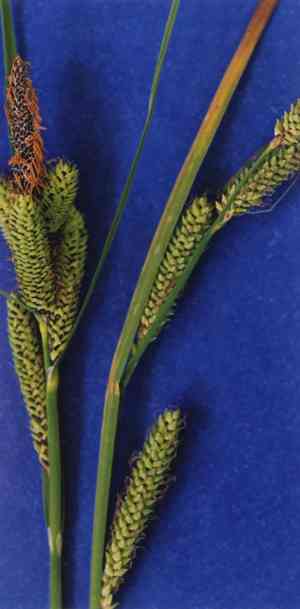
1
Lakeshore sedge flourishes optimally with a minimum of 6 hours of direct sun each day.
2
This hardy plant is able to withstand both areas of partial light and complete darkness.
3
Modify the amount of light received throughout the year to enhance Lakeshore sedge development.
Optimal Light Conditions for Lakeshore Sedge
Ideal Daily Illumination
For your Lakeshore sedge to flourish, providing the correct amount of sunlight is vital. This plant thrives best with at least 6 hours of direct sun daily. Such exposure promotes vigorous growth and maintains its vibrant green foliage. However, it can adapt to slightly less light, though its development might be less robust.
Light Intensity and Quality
The quality of light impacts your Lakeshore sedge's health. Strong, direct sunlight encourages robust growth and a sturdy plant structure. Conversely, diffused or partial light may result in slower development and less dense leaves. Therefore, positioning your plant where it can absorb intense sunlight, especially in the mornings, greatly aids its progress.
Seasonal Light Changes
Sunlight intensity and duration vary with the seasons. During spring and summer, Lakeshore sedge typically receives ample light for optimal growth. Yet, in autumn and winter, daylight hours shorten, and light intensity decreases. To ensure year-round plant health, consider repositioning it or using supplementary lighting during darker periods.
Sunlight's Impact on Lakeshore Sedge Development
Growth in Full Sun
When exposed to full sun, Lakeshore sedge generally grows more vigorously. Abundant sunlight stimulates photosynthesis, leading to lush, green foliage and a fuller appearance. Full sun also helps develop strong, well-established roots. For best results, aim to place your Lakeshore sedge where it can receive sunlight for most of the day.
Growth in Partial Shade
Lakeshore sedge is resilient and can also grow in partial shade. In these conditions, the plant might not be as dense or vigorous as in full sun, but it will still survive. Partial shade can be beneficial in very hot climates, preventing overheating and sunburn. However, expect a slightly slower growth rate and sparser foliage compared to full-sun environments.
Indicators of Insufficient Light
Recognizing signs of inadequate sunlight is crucial for Lakeshore sedge care. Common indicators include yellowing leaves, elongated and weak stems, and a general lack of vitality. If these symptoms appear, try moving your plant to a brighter location or pruning overhead branches that cast too much shade. Sufficient light is key to a healthy and attractive Lakeshore sedge.
Managing Sunlight Exposure for Lakeshore Sedge
Selecting the Right Garden Spot
Choosing the ideal location for your Lakeshore sedge involves considering sunlight availability and garden layout. Look for areas that get ample morning sun but are protected from harsh afternoon rays, especially in very hot climates. A spot near a partially shaded bed or beside taller plants that filter light can be perfect.
Utilizing Shade Cloths and Tools
When natural shade isn't an option, garden tools like shade cloths can help manage sun exposure. These cloths filter a portion of the sun's rays, preventing excessive heat and potential sunburn on your Lakeshore sedge. Additionally, movable garden umbrellas or strategically placed pergolas offer flexible shading to protect plants during peak sun hours.
Adapting to Seasonal Changes
Adjusting your plant care routine with the seasons is vital for Lakeshore sedge health. In summer, you might need to provide extra shade to prevent overheating, while in winter, maximizing light exposure is crucial. Moving potted plants to sunnier spots or using grow lights can ensure adequate light year-round.
Common Questions About Lakeshore Sedge and Sunlight
Can Lakeshore Sedge Be Grown Indoors?
While Lakeshore sedge primarily thrives outdoors, it can be successfully grown indoors with proper care. If kept inside, ensure it's placed where it receives abundant natural light, such as near a south-facing window. You might also need grow lights to supplement indoor lighting and mimic its natural outdoor sun requirements.
Does Lakeshore Sedge Require Direct Sunlight?
Yes, Lakeshore sedge greatly benefits from direct sunlight. For optimal growth, aim for at least 6 hours of direct sun daily. However, if direct sunlight isn't feasible, the plant can still survive in partial shade, though with less vigorous growth.
What Are Signs of Sunburn in Lakeshore Sedge?
Sunburn in Lakeshore sedge appears as bleached or scorched leaf tips and edges, sometimes followed by browning and drying. If these signs are noticed, it's crucial to provide some shade or reduce the plant's exposure to intense midday sun to prevent further damage. Regular checks for sunburn can help you take swift action to protect your plant.



