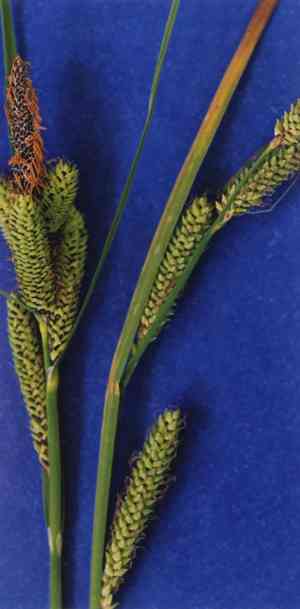
Lakeshore sedge (Carex lenticularis)
Also known as: Shore sedge, Lenticular sedge
Lakeshore sedge predominantly thrives in wet environments, especially near the shores of Lake Superior in the U.S. Despite its wide geographic range, it remains rare and challenging to identify due to its similarity to several closely related species.
In This Article
Attributes of Lakeshore sedge
Lifespan
Perennial
Plant Type
Grass
Plant Height
10 cm to 61 cm
Spread
N/A
Leaf Color
Green
Flower Size
N/A
Flower Color
White Yellow Green Brown
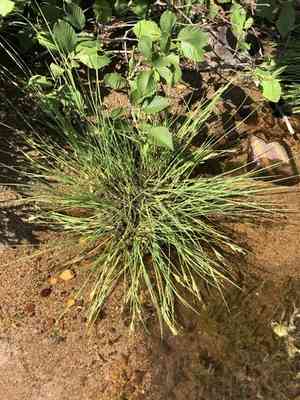
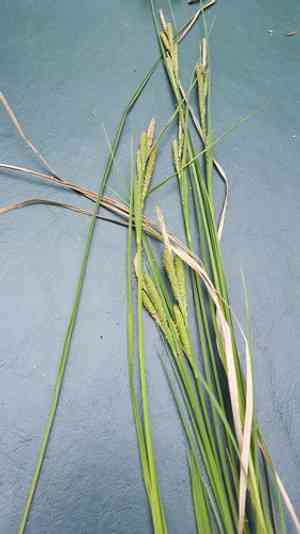
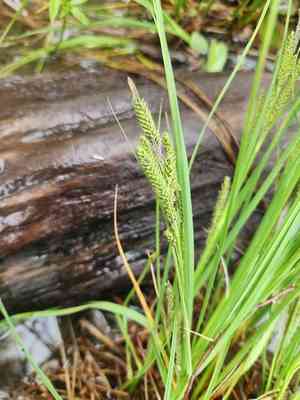
Images of Lakeshore sedge
Quickly Identify Lakeshore sedge
1
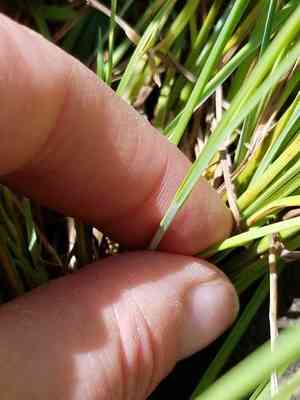
This species can be identified by its triangular stems, long narrow leaves, and densely packed seed heads. The seed heads are typically lenticular (lens-shaped), which helps distinguish it from other similar species.
Scientific Classification of Lakeshore sedge
Phylum
Vascular plants
Class
Monocotyledons
Order
Poales
Family
Sedge
Genus
True sedges
Species
Lakeshore sedge
Planting and Growing of Lakeshore sedge
Care Difficulty
Easy
Watering Schedule
Every 3 days
Sunlight Requirements
Full sun
Sunshine Duration
6-10 hours
Ideal Temperature
60-75℉
Soil Type
Potting Mix, Peat Mix
Soil pH
5.5-7.5
Fertilizer Type
Balanced
Pruning Season
Spring, Summer
Pruning Area
Branches, Leaves
Pruning Frequency
2 times a year
Repotting Season
Spring
Pot Type
Plastic, Ceramic
 How to Water Lakeshore sedge?
Carex lenticularis thrives best with a moderate watering approach. Ensuring the soil remains consistently moist but not waterlogged is key. Aim to provide approximately 200 milliliters of water per session, making sure the entire root area is reached.
What are the symptoms of an underwatered Lakeshore sedge?
›
What should I do if my Lakeshore sedge is not getting enough water?
›
What are the symptoms of an overwatered Lakeshore sedge?
›
How to save an overwatered Lakeshore sedge?
›
 What Are the Sunlight Requirements for Lakeshore sedge?
Carex lenticularis thrives in full to partial sun, ideally benefiting from at least 6 hours of daily light. Optimal light conditions ensure vibrant growth, enhancing overall plant health and vigor.
More About Sunlight Requirements Techniques→
What is the optimal sunlight for Carex lenticularis?
›
How can I ensure Carex lenticularis gets ideal lighting?
›
What are the benefits of providing Carex lenticularis with ideal light?
›
 What Is the Ideal Temperature Range for Lakeshore sedge?
The ideal temperature range of 60°F to 75°F facilitates optimal plant growth and physiological processes. In this range, Carex lenticularis can efficiently photosynthesize and sustain vital metabolic activities. This temperature range ensures that the plant’s enzymatic and cellular functions are not impaired, promoting robust growth and resilience against potential stress factors.
 What Soil is Best for Lakeshore sedge?
Carex lenticularis thrives in well-drained soils, which prevent root rot and other moisture-related issues. Well-drained soils facilitate proper air circulation within the root zone, enabling roots to access adequate oxygen and thus support robust plant growth. This condition is crucial for maintaining the health and vigor of Carex lenticularis. This plant prefers soils that retain moisture without becoming waterlogged. The ability of the soil to hold adequate moisture supports the hydration needs of Carex lenticularis, especially during dry spells, ensuring that the plant remains healthy and flourishes even in less favorable weather conditions. A moderate amount of organic matter in the soil provides essential nutrients to Carex lenticularis. Organic matter improves soil fertility, enhancing nutrient supply and soil structure, which benefits the plant by promoting healthy growth and a more resilient root system.
 How to Fertilize Lakeshore sedge?
For Carex lenticularis, applying the right amount of fertilizer is crucial to its growth. Typically, using a balanced liquid fertilizer at half the strength ensures that the nutrients are absorbed effectively without overwhelming the plant. Around 10-15 ml for 1 gallon of water is often sufficient, but this can vary depending on the size and health of your plant.
 How to Prune Lakeshore sedge?
Begin by sterilizing your pruning shears to prevent disease transmission. Gently remove any dead or damaged foliage at the base, cutting back any unsightly or uneven growth. Aim to maintain a neat, rounded shape, and encourage airflow by thinning out densely packed areas. Always cut just above a leaf node to stimulate new growth.
More About Pruning Techniques→
 How to Propagate Lakeshore sedge plant?
1
Begin by collecting seeds in late summer when the seed heads have fully matured. Gently shake or cut the heads to release seeds, ensuring they are dry and ready for sowing.
2
Fill seed trays with a well-draining potting mix and distribute seeds evenly over the surface. Cover lightly with soil and water gently to keep the medium moist until germination occurs.
3
Carefully dig around the base of the plant using a garden fork. Lift the clump and use a spade to divide it into smaller sections, ensuring each has sufficient roots for replanting.
 How to Repot Lakeshore sedge plant?
1
Carex lenticularis should be repotted when you notice roots starting to emerge from the drainage holes or when the foliage becomes dense and congested. This often signals that the plant has outgrown its current pot, and repotting will provide additional space for root development and fresh nutrients.
2
Select a pot that is one size larger than the current one to encourage steady growth without overwhelming the plant. The pot should have adequate drainage holes to prevent waterlogged conditions. Choosing a pot with good drainage ensures that excess moisture can escape, preventing root rot and promoting healthy root systems.
3
Opt for a loamy, well-draining soil mix to mimic Carex lenticularis's natural swampy habitat. Such soil retains enough moisture for the plant's needs while draining excess water away. This mix provides the right balance of air, water, and nutrient retention, which is critical for the plant's health.



