How to Prune Lakeshore sedge?
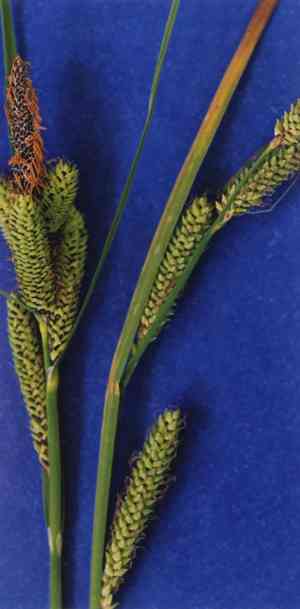
Flourishing at the edges of wetlands, lakeshore sedge displays elongated, grass-like blades and a resilience to damp ground. Trim in the early spring or during winter to preserve the plant's vitality and manage its expansion. Eliminate deceased or compromised leaves, cutting them down to the plant's foundation to encourage fresh development. Consistent trimming enhances lakeshore sedge's robustness and aesthetic appeal, simultaneously deterring excessive growth in cultivated areas. Be cautious to prevent harm to emerging sprouts when pruning.
What Are the Benefits of Pruning Lakeshore Sedge?
What Are the Benefits of Pruning Lakeshore Sedge?
Trimming lakeshore sedge promotes robust development and helps maintain its desired form. By eliminating old or overgrown sections, it encourages new, healthy shoots, ensuring a neat look and strong structure.
What Is the Best Time for Pruning Lakeshore Sedge?
What Is the Best Time for Pruning Lakeshore Sedge?
Trimming lakeshore sedge in early spring is ideal as the plant remains dormant, minimizing stress or harm. This timing allows the plant to recover from cuts before the growth season begins. Winter pruning is also suitable, especially when the plant is fully inactive, reducing the chance of stimulating new growth vulnerable to frost. Pruning during these seasons helps maintain lakeshore sedge's health and shape without disrupting its natural growth cycle, ensuring vitality for the upcoming growing season.
What Tools Do I Need to Prune Lakeshore Sedge?
Hand Pruners
For lakeshore sedge, hand pruners are perfect for trimming and shaping due to their accuracy. They can easily cut through the sedge's relatively thin leaves without harming the plant's structure.
Grass Shears
Lakeshore sedge can be effectively managed using grass shears, which allow for easy trimming of the dense grassy clumps it forms. Their long blades are suitable for evenly cutting back the foliage.
Gardening Gloves
Wearing gardening gloves is crucial when handling lakeshore sedge to shield the gardener's hands from the sharp edges of the foliage and to provide a better grip on tools.
Leaf Rake
After trimming lakeshore sedge, a leaf rake can be used to collect and remove the cut foliage from around the plant's base. This tool helps keep the area clean and prevents potential disease from decaying plant matter.
How to Prune Lakeshore Sedge
Clean tools
Before beginning the trimming process, thoroughly clean and sanitize the tools to prevent the spread of disease to lakeshore sedge.
Identify
Pinpoint the diseased and withered leaves on lakeshore sedge that require removal. Look for any discoloration, spots, or damaged textures that differ from healthy foliage.
Isolate
Carefully isolate the leaf to be trimmed, ensuring not to disturb the healthy surrounding foliage of lakeshore sedge.
Cut
Using sharp scissors or pruning shears, make a clean cut to remove the diseased or withered leaf from lakeshore sedge. Cut close to the leaf's base, but be careful not to damage the plant's crown or nearby healthy leaves.
Dispose
Promptly and properly discard the removed foliage away from lakeshore sedge and other plants to prevent any potential spread of disease.
Common Pruning Mistakes with Lakeshore Sedge
Over-pruning
Removing too much foliage from lakeshore sedge can weaken the plant, making it more susceptible to disease and environmental stress.
Pruning too early
Cutting back lakeshore sedge before its growth cycle is complete might limit its ability to store energy for the subsequent growing season.
Disregarding plant health
Ignoring signs of pests or disease when trimming lakeshore sedge can worsen these issues as they can spread to healthy parts of the plant or nearby plants.
Using blunt tools
Trimming lakeshore sedge with dull instruments can result in jagged cuts that are more prone to infection and do not heal well.
Neglecting hygiene
Not sterilizing pruning tools before use can introduce diseases to lakeshore sedge, especially if the same tools were used on an infected plant.
Common Pruning Tips for Lakeshore Sedge
Healthy growth removal
Removing healthy growth indiscriminately can reduce the vigor of lakeshore sedge. Instead, focus on dead or damaged foliage to maintain plant health and shape.
Ideal cut location
Make cuts on lakeshore sedge just above leaf nodes or ground level to promote better healing and prevent water accumulation on the stumps, which can lead to rot.
Tool selection
Use sharp, clean pruning shears for lakeshore sedge to make precise cuts that will heal faster and minimize damage.
Post-pruning care
After trimming, provide lakeshore sedge with appropriate care, such as watering and applying mulch, to support its recovery and growth.
Consistent maintenance
Regularly inspect lakeshore sedge for dead or damaged foliage and remove it promptly to maintain the plant's appearance and health.



