How to Transplant Hitchcock's sedge?
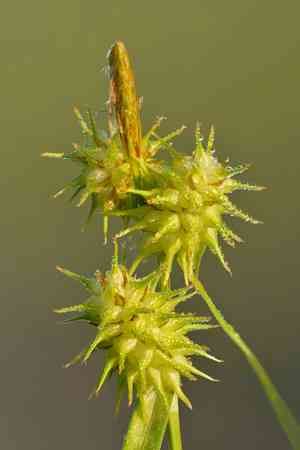
For Hitchcock's sedge, the most favorable time for relocation is during the pleasant stretch from early to mid-spring, as ground dampness encourages strong root development. Select a spot with partial shade and soil that drains effectively to ensure proper acclimation at this time of year.
Preparations Required Before Relocating Hitchcock's Sedge
Optimal Period for Relocating Hitchcock's Sedge?
The best times for moving hitchcock's sedge are during early to mid-spring. At this point, the ground typically has ample moisture, and temperatures are mild, offering ideal conditions for root establishment. Transplanting hitchcock's sedge within this timeframe maximizes its survival and encourages vigorous development throughout the growing season.
Recommended Spacing Between Hitchcock's Sedge Plants?
When relocating hitchcock's sedge, position each plant approximately 12-18 inches (30-45 cm) apart. This provides adequate room for expansion and growth, ensuring they flourish without competing for resources.
Ideal Soil Blend for Hitchcock's Sedge Relocation?
For hitchcock's sedge, select soil that drains well, ideally loamy or sandy. Incorporate some compost or a balanced base fertilizer to enrich the soil, supplying vital nutrients.
Where to Replant Your Hitchcock's Sedge?
Choose a location with partial shade for moving hitchcock's sedge. This plant thrives in filtered sunlight or spots receiving morning sun and afternoon shade.
Equipment to Prepare Before Transplanting Hitchcock's Sedge?
Gardening Gloves
To safeguard your hands while handling soil and the plant.
Shovel or Spade
For excavating the plant and preparing the ground at its new spot.
Trowel
Useful for working in confined areas and making precise adjustments.
Garden Fork
To gently loosen the soil surrounding the plant's root system.
Watering Can or Hose
To moisten the soil and hydrate the plant post-transplant.
Bucket
To transport soil or water as needed during the operation.
Mulch
To aid in retaining soil moisture and inhibiting weed growth around the plant after relocation.
How to Extract Hitchcock's Sedge from the Ground?
How to Extract Hitchcock's Sedge from the Ground?
From Ground: First, hydrate the hitchcock's sedge plant to moisten the soil. Next, excavate a wide trench around the plant using a shovel or spade, ensuring the plant's root ball remains intact. Carefully maneuver the spade beneath the root ball to lift the plant from its original position.From Pot: Water the hitchcock's sedge plant thoroughly before removing it from its container. Gently invert the pot and tap the bottom to dislodge the root ball. Carefully slide the plant out, handling the stem base and root ball with care.From Seedling Tray: Water the seedlings prior to transplanting to facilitate easier removal. Use a small trowel or your fingers to gently lift the seedlings from the tray, taking care to keep as much of the root ball intact as possible.
Step-by-Step Guide for Relocating Hitchcock's Sedge
Site Preparation
Select an appropriate spot for your hitchcock's sedge with suitable growing conditions. Dig a hole slightly wider and as deep as the plant's root ball. Ensure the soil is loose and drains well.
Plant Removal
Follow the instructions to carefully extract the hitchcock's sedge plant from its initial location, minimizing root disturbance.
Transplanting
Position the hitchcock's sedge plant in the prepared hole. Make sure the top of the root ball is level with the surrounding soil surface. Backfill the hole with soil, gently pressing down to eliminate any air pockets.
Watering
Thoroughly water the hitchcock's sedge after planting to help settle the soil around its roots. Ensure the soil is uniformly moist but not waterlogged.
Mulching
Apply a layer of mulch around the base of the hitchcock's sedge plant to help retain moisture and suppress weeds. Keep the mulch a few inches away from the stem to prevent rot.
Post-Transplant Care for Hitchcock's Sedge
Watering
Maintain consistent moisture in the soil around the hitchcock's sedge, avoiding sogginess, for the initial weeks after transplanting to encourage strong root development.
Monitoring
Regularly inspect the hitchcock's sedge for indications of stress, such as wilting or yellowing foliage, and adjust care as necessary.
Weeding
Keep the area surrounding the hitchcock's sedge free of weeds, as they can compete with your plant for water and nutrients.
Mulching
Replenish the mulch as needed to maintain an adequate layer around the plant, which aids in retaining soil moisture and regulating temperature.
Resolving Common Issues with Hitchcock's Sedge Relocation.
When is the best time to relocate hitchcock's sedge?
Move hitchcock's sedge in early to mid-spring for optimal outcomes and growth potential.
How should I prepare the soil?
Ensure the soil is well-drained and rich in organic matter to support healthy root development.
What spacing is ideal for hitchcock's sedge?
Space plants 12-18 inches (30-45 cm) apart to allow for proper growth and air circulation.
How deep should I plant hitchcock's sedge?
Plant hitchcock's sedge at the same depth it was previously growing to avoid stress.
Should I water immediately after relocating?
Yes, water thoroughly right after transplanting to settle the soil and minimize shock.
How much sunlight does hitchcock's sedge require?
Place hitchcock's sedge in a location with partial to full shade for optimal growth.
How do I manage transplant shock?
Minimize shock by keeping soil consistently moist and preventing root disturbance during planting.
Can I add fertilizers when relocating hitchcock's sedge?
Yes, use a balanced, slow-release fertilizer to provide continuous nutrients.
How can I safeguard hitchcock's sedge from pests after transplanting?
Utilize organic mulch and keep the area weed-free to deter pests.
Is mulching beneficial when relocating hitchcock's sedge?
Absolutely, apply a layer of organic mulch to retain moisture and regulate temperature.



