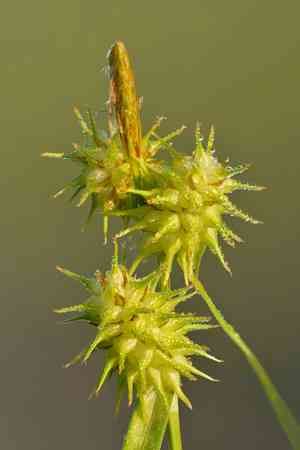
Hitchcock's sedge (Carex hitchcockiana)
Also known as: Hitchcock's Sedge
Carex hitchcockiana, also known as Hitchcock's sedge, is a North American native species. It is classified as endangered in Maryland, threatened in New York and Tennessee, and is considered a species of special concern in Connecticut and Massachusetts.
In This Article
Attributes of Hitchcock's sedge
Lifespan
Perennial
Plant Type
Grass
Plant Height
15 cm to 61 cm
Spread
Not typically measured; forms dense clumps
Leaf Color
Green
Flower Size
Small, typically between 1-3 mm
Flower Color
White
Images of Hitchcock's sedge
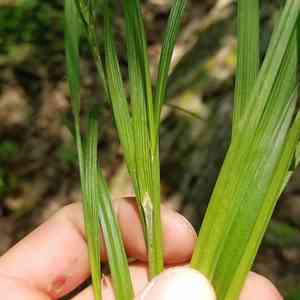
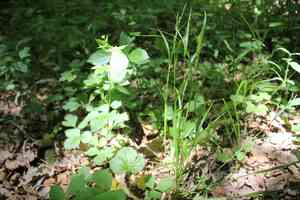
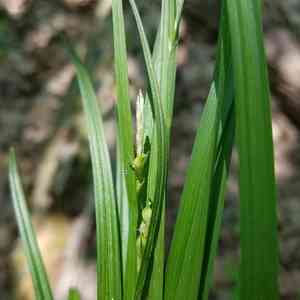
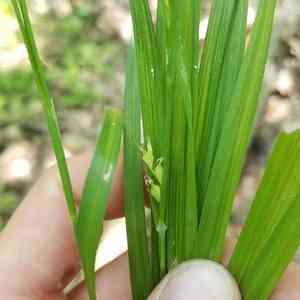
Quickly Identify Hitchcock's sedge
1
Carex hitchcockiana can be identified by its slender, arching stems and narrow leaves that are green and grass-like. The plant produces small, inconspicuous flowers and forms dense clumps.
Scientific Classification of Hitchcock's sedge
Phylum
Vascular plants
Class
Monocotyledons
Order
Poales
Family
Sedge
Genus
True sedges
Species
Hitchcock's sedge
Planting and Growing of Hitchcock's sedge
Care Difficulty
Moderate
Watering Schedule
Every 2 days
Sunlight Requirements
Partial sun
Sunshine Duration
4-6 hours
Ideal Temperature
60-75℉
Soil Type
Potting Mix, Peat Mix
Soil pH
6.5-7.5
Fertilizer Type
Balanced
Pruning Season
Spring, Summer
Pruning Area
Branches, Leaves
Pruning Frequency
2 times a year
Repotting Season
Spring
Pot Type
Plastic, Ceramic
 How to Water Hitchcock's sedge?
When watering Carex hitchcockiana, ensure the soil remains consistently moist, but not waterlogged. An appropriate amount would be around 250 milliliters per session, ensuring the top inch of soil feels damp.
What are the symptoms of an underwatered Hitchcock's sedge?
›
What should I do if my Hitchcock's sedge is not getting enough water?
›
What are the symptoms of an overwatered Hitchcock's sedge?
›
How to save an overwatered Hitchcock's sedge?
›
 What Are the Sunlight Requirements for Hitchcock's sedge?
Partial sun to full shade are ideal for Carex hitchcockiana. These conditions promote healthy foliage and prevent the stress associated with too much or too little light.
How much light does Carex hitchcockiana need?
›
What solutions help Carex hitchcockiana achieve ideal lighting?
›
What are the benefits of ideal lighting for Carex hitchcockiana?
›
 What Is the Ideal Temperature Range for Hitchcock's sedge?
Carex hitchcockiana thrives best in temperatures ranging from 60°F to 75°F. This temperature range supports optimal metabolic processes, ensuring vigorous growth and healthy foliage. Maintaining temperatures within this band can help maximize the plant's potential.
 What Soil is Best for Hitchcock's sedge?
Carex hitchcockiana thrives in well-drained soils that provide excellent root aeration, reducing the risk of root rot and promoting robust plant growth. Rich in organic matter, these soils offer essential nutrients that support the lush foliage and overall health of Carex hitchcockiana, ensuring vibrant growth. Moderate moisture levels in the soil are crucial, preventing dehydration and allowing the sedge to maintain its structural integrity and aesthetic appeal.
 How to Fertilize Hitchcock's sedge?
For Carex hitchcockiana, it is essential to apply a balanced amount of fertilizer. During the growing season, you should aim to use about one tablespoon of liquid fertilizer diluted in water per application. Be cautious not to overwhelm the plant with an excess of nutrients, as it is a grass-like plant that thrives in modest conditions.
 How to Prune Hitchcock's sedge?
Start by removing any dead or yellowing leaves from the base. This allows for better air circulation and reduces the risks of fungal infections or pest infestation. Prune for a neat, rounded shape by trimming the edges. Focus on keeping the plant looking natural. Cutting back around the perimeter promotes even growth. In spring or autumn, if Carex hitchcockiana becomes too dense, divide the clumps to rejuvenate the plant. Use a sharp spade to cut through roots and replant sections elsewhere.
More About Pruning Techniques→
 How to Propagate Hitchcock's sedge plant?
1
Collect seeds from mature plants and dry them in a cool, dark place. Before sowing, you may need to stratify or soak seeds depending on their dormancy requirements. Place seeds on a moist paper towel for several days to encourage germination.
2
Dig around the base of the plant to remove the entire root clump. Use a sharp tool to divide the clump into several sections, ensuring each has a healthy portion of roots and shoots. Replant the divisions promptly in well-draining soil.
3
Once seedlings emerge from seeds, ensure they receive adequate light and water. Gradually acclimatize them to outdoor conditions by exposing them to sunlight and fresh air in increasing durations before planting them out permanently.
 How to Repot Hitchcock's sedge plant?
1
Look for signs that Carex hitchcockiana needs repotting such as roots visibly growing through drainage holes, stunted growth, or the water not absorbing into the soil properly. Spring or early summer is generally the best time, as this allows the plant to recover quickly during the growing season.
2
Select a pot that is just one size larger than the current one to prevent water retention issues and root rot. Ideally, the pot should have good drainage holes to ensure excess water flows out easily, providing a healthier environment for the roots.
3
Opt for a sandy loam or well-draining soil mix to ensure proper water and air circulation around the roots. This type of soil prevents waterlogging and encourages root growth, which is crucial for a healthy plant development.



