How to Prune Hitchcock's sedge?
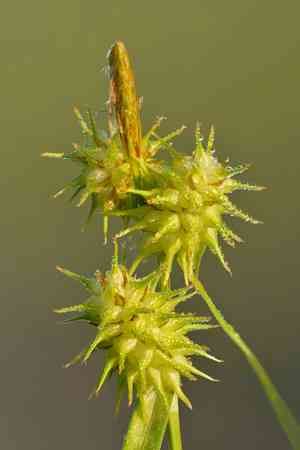
Careful trimming is beneficial for Hitchcock's sedge, a plant recognized for its elegant, curving leaves. The most suitable periods for pruning are in early spring and throughout winter. Remove any withered or compromised foliage to foster robust development and preserve the plant's neat look. Performing routine pruning during these periods guarantees strong new shoots and aids in averting illnesses. Refrain from cutting into the plant's core cluster, as this could impair its vigor. Consistent upkeep leads to a sturdy, appealing presentation in horticultural environments.
What Are the Benefits of Pruning Hitchcock's Sedge?
What Are the Benefits of Pruning Hitchcock's Sedge?
Hitchcock's sedge thrives with pruning, maintaining its form and vigor. Trimming encourages robust development, manages plant dimensions, and boosts resistance to pests and illnesses. Consistent pruning significantly enhances the overall look and health of hitchcock's sedge.
What Is the Best Time for Pruning Hitchcock's Sedge?
What Is the Best Time for Pruning Hitchcock's Sedge?
Pruning hitchcock's sedge in early spring or winter is optimal due to its growth pattern. Early spring pruning stimulates healthier, more energetic growth as hitchcock's sedge prepares for its active season. This timing ensures removal of damaged or dead leaves before new growth emerges. Winter pruning, during dormancy, minimizes plant stress and reduces disease risk, keeping the plant robust for the next growth cycle.
What Tools Do I Need to Prune Hitchcock's Sedge?
Hand pruners
Hand pruners are perfect for precise cuts on hitchcock's sedge, allowing careful removal of dead or damaged foliage.
Garden scissors
Garden scissors are excellent for shaping and trimming hitchcock's sedge, offering accuracy without harming the plant's structure.
Gloves
Quality gardening gloves shield your hands from sharp edges and provide a better grip on tools while pruning hitchcock's sedge.
Rake
A small hand rake assists in collecting and clearing trimmed foliage from around hitchcock's sedge, maintaining a tidy area.
How to Prune Hitchcock's Sedge
Inspect
Examine hitchcock's sedge for any diseased or withered leaves, pinpointing specific areas requiring attention.
Disinfect
Before beginning, ensure your pruning tools are sanitized to prevent disease spread. Use rubbing alcohol or a bleach solution for sterilization.
Remove Diseased Leaves
Use sharp shears to carefully cut away any diseased leaves. Make cuts at the leaf stem's base, near the plant's crown.
Trim Withered Leaves
Cut off any withered leaves, again ensuring cuts are close to the base. Avoid tearing or pulling leaves, as this can harm hitchcock's sedge.
Dispose
Properly discard all removed leaves. Do not compost diseased plant material to avoid contaminating your compost pile.
Common Pruning Mistakes with Hitchcock's Sedge
Over-Pruning
Many gardeners, especially beginners, tend to remove too much of the plant, which can stress hitchcock's sedge and hinder its growth.
Incorrect Technique
Using unsuitable tools or failing to sanitize them can result in jagged cuts and potential infections.
Timing Errors
Pruning at an inappropriate time can negatively impact the plant's natural growth cycle and vitality.
Ignoring Dead or Diseased Sections
Neglecting to remove dead or diseased plant parts can lead to disease proliferation and overall decline in plant health.
Improper Cutting Angles
Making cuts at an incorrect angle can damage the plant and impede proper regrowth.
Common Pruning Tips for Hitchcock's Sedge
Use Sharp, Clean Tools
Ensure all cutting instruments are sharp for clean cuts and disinfected to prevent disease transfer.
Remove Dead or Damaged Leaves
Systematically remove any dead, damaged, or diseased foliage to encourage healthy growth.
Make Clean Cuts
Always make precise, clean cuts just above a leaf joint or bud to stimulate new growth.
Prune Moderately
Avoid removing more than one-third of the plant at a time to prevent excessive stress.
Monitor Growth Regularly
Keep a close watch on hitchcock's sedge to identify any parts needing pruning before they become problematic, fostering continuous, healthy development.



