How to Transplant Hybrid sedge?
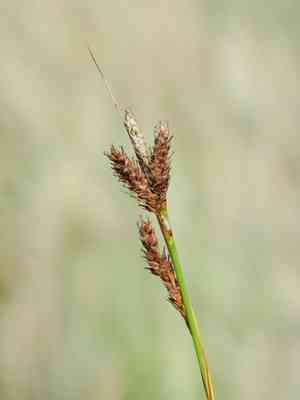
Hybrid sedge flourishes when relocated during the vibrant period of early to late spring and the quiescent phase of early to late winter. Select a site with partial shade and ample moisture for peak development. Verify that the substrate is fertile and drains effectively for seamless integration.
What Preparations are Needed Before Transplanting Hybrid Sedge?
What is the Ideal Time for Transplanting Hybrid Sedge?
Moving hybrid sedge, a perennial plant, is best done from early to late spring or early to late winter. These periods provide sufficient moisture and moderate temperatures for root development. This timing helps hybrid sedge establish itself well before enduring the rigors of summer heat or severe winter cold, thereby fostering robust growth and stability in its new spot.
How Much Space Should You Leave Between Hybrid Sedge Plants?
When relocating hybrid sedge, aim to position each plant approximately 12-18 inches (30-45 cm) apart. This provides ample room for healthy development without excessive crowding.
What is the Best Soil Mix for Hybrid Sedge Transplanting?
Prepare well-draining, nutrient-rich soil for hybrid sedge. A blend of loamy soil with added compost works effectively. Incorporate a balanced, slow-release base fertilizer to encourage strong root growth.
Where Should You Relocate Your Hybrid Sedge?
Select a location for hybrid sedge that receives partial to full sunlight. These plants flourish with at least 4-6 hours of direct sun daily, so ensure your chosen site meets these light requirements.
What Equipments Should You Prepare Before Transplantation Hybrid Sedge?
Gardening Gloves
To safeguard your hands while handling soil and the plant.
Shovel or Spade
For excavating the plant and preparing the new planting site.
Trowel
To assist in lifting the plant if it's in a container or seedling tray.
Watering Can or Hose
For hydrating the plant before and after its relocation.
Garden Fork
To loosen the soil surrounding the plant's root system.
Wheelbarrow
Useful for moving the plant if it is large.
Stakes and Twine
To provide support for the plant if necessary after transplanting.
How Do You Remove Hybrid Sedge from the Soil?
How Do You Remove Hybrid Sedge from the Soil?
From Ground: First, irrigate the hybrid sedge plant to moisten the soil. Then, excavate a wide trench around the plant using a shovel or spade, ensuring the plant's root ball remains intact. Carefully work the spade beneath the root ball to extract the plant from its original position.From Pot: Gently water the hybrid sedge plant to loosen the soil. Turn the container sideways and carefully extract the plant by tapping the sides and gently pulling it out, ensuring the root ball stays whole.From Seedling Tray: Water the hybrid sedge plant to facilitate removal. Use a trowel or your hands to gently lift the seedlings, keeping as much soil around the roots as possible.
Step-by-Step Guide for Transplanting Hybrid Sedge
Prepare the new site
Ensure the planting hole is twice as wide and the same depth as the plant's root ball.
Remove the plant
Follow the removal instructions specific to the plant's initial location.
Inspect the roots
Before planting, examine the roots of the hybrid sedge. If they appear root-bound, gently separate them.
Plant the hybrid sedge
Place the hybrid sedge into the new hole, making sure the top of the root ball is level with the surrounding soil.
Backfill the hole
Gently fill in the hole around the hybrid sedge with soil, pressing lightly to eliminate air pockets.
Water thoroughly
Give the hybrid sedge a good soak with a watering can or hose immediately after planting.
How Do You Care For Hybrid Sedge After Transplanting?
Watering
Keep the soil around the hybrid sedge consistently moist, but not waterlogged, for the initial weeks after transplanting to aid in establishing strong roots.
Mulching
Apply a layer of mulch around the base of the hybrid sedge to help retain moisture and regulate soil temperature.
Support
If the hybrid sedge appears unstable, use stakes and twine to support it until it establishes itself.
Monitoring
Observe the hybrid sedge for signs of stress or disease, such as wilting or discolored leaves, and take appropriate action.
Troubleshooting Common Issues with Hybrid Sedge Transplantation.
When is the best time to transplant hybrid sedge?
Relocate hybrid sedge from early spring to late spring or early winter to late winter for optimal outcomes.
How far apart should I space hybrid sedge when transplanting?
Space hybrid sedge plants 12-18 inches (30-46 cm) apart to allow for ideal growth.
What should I do if the leaves turn yellow after transplanting?
Yellow leaves can indicate stress or excessive watering. Check soil moisture and ensure proper drainage.
How can I prepare the soil for transplanting hybrid sedge?
Prepare well-draining soil enriched with compost to help hybrid sedge establish roots quickly.
Should I water hybrid sedge immediately after transplanting?
Water hybrid sedge thoroughly right after transplanting to help settle the soil and reduce transplant shock.
What is the ideal soil pH for hybrid sedge?
Maintain a soil pH between 5.5 to 7.5 for optimal growth of hybrid sedge.
How can I protect hybrid sedge from transplant shock?
Gradually acclimate hybrid sedge to new conditions and keep the soil consistently moist but not waterlogged.
What should I do if hybrid sedge shows signs of wilting?
Wilting may indicate poor water absorption. Ensure roots are properly covered and soil is moist.
Can hybrid sedge be transplanted in full sunlight?
Hybrid sedge can handle full sunlight but prefers partial shade, especially in hotter climates.
How deep should I plant hybrid sedge during transplantation?
Plant hybrid sedge at the same depth it was growing in its original location to avoid stress.



