How to Propagate Hybrid sedge?
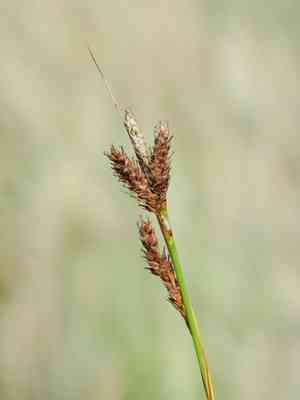
Hybrid sedge flourishes when propagated by dividing its root ball. Gently split the cluster to safeguard the roots' structure and promptly re-establish them in comparable environments. Verify that the substrate is damp, drains efficiently, and contains ample organic material. Consistent irrigation assists in successful rooting. Place the newly planted sections where they will receive moderate to abundant sunlight. This technique fosters robust development and preserves the plant's genetic characteristics. Consulting botanical references indicates this as the premier method for propagating hybrid sedge.
Optimal Time for Hybrid Sedge Propagation
Propagation Method
Division
Propagation Period
Spring,Autumn
Tools for Hybrid Sedge Propagation
Garden Fork
A garden fork is perfect for gently lifting hybrid sedge clumps from the ground without harming the roots. Its tines penetrate soil more softly than a spade, minimizing damage to the plant's delicate root system.
Sharp Knife or Garden Blade
A sharp knife or garden blade is vital for precisely dividing hybrid sedge rhizomes. Accurate cuts decrease infection risk and ensure each division has a viable root section and foliage.
Clean Containers or Pots
Using clean containers or pots is essential when transplanting divided hybrid sedge sections. These containers shield new divisions from pests and diseases, offering a controlled setting for root establishment.
Organic Potting Mix
An organic potting mix supplies necessary nutrients for new hybrid sedge sections to flourish. This mix should drain well yet retain moisture, ensuring a balanced environment for root development.
Root Hormone Powder
Applying root hormone powder to cut hybrid sedge sections can boost root growth and improve successful establishment. This is especially helpful for propagating difficult or slow-to-root species.
Watering Can with Fine Rose
A watering can with a fine rose ensures gentle watering that won't dislodge soil or harm young hybrid sedge roots. Consistent moisture is crucial for divisions to develop new roots and shoots effectively.
Sterilizing Solution
Sterilizing cutting tools and containers with a bleach and water solution prevents disease spread during hybrid sedge propagation. Maintaining a sterile environment is key for plant health and successful propagation.
Mulch
Applying mulch around newly divided hybrid sedge helps maintain soil moisture and temperature, reduces weed competition, and slowly adds organic matter to the soil as it decomposes, aiding the establishment of new plants.
How to Propagate Hybrid Sedge?
Propagation Type
Easy
Caring for Newly Propagated Hybrid Sedge
Caring for Newly Propagated Hybrid Sedge
After dividing and replanting hybrid sedge, consistent moisture is crucial, especially in the initial weeks. Ensure plants are not exposed to extreme weather, and mulching around the base can help retain soil moisture. Regularly check for stress or disease and remove competing weeds.
Common Mistakes to Avoid When Propagating Hybrid Sedge
Overwatering
Excessive moisture can cause root rot, as hybrid sedge prefers well-drained soil.
Poor Soil Choice
Using soil that holds too much water or lacks proper drainage can hinder growth and lead to root diseases.
Improper Division
Dividing clumps too aggressively or at unsuitable times can stress plants, reducing their chances of successful establishment.
Neglecting Light Conditions
Insufficient light can impede photosynthesis, resulting in weaker growth.
Tips For Propagating Hybrid Sedge
Adequate Drainage
Utilize a well-draining soil mix to prevent water retention and root rot.
Gentle Division
Carefully divide mature clumps using sharp, clean tools to minimize stress and damage to the plant.
Correct Light Exposure
Ensure hybrid sedge receives sufficient light for optimal growth, typically partial sun to full shade depending on your climate.
Regular Monitoring
Consistently check soil moisture and adjust watering practices to maintain an optimal balance.



