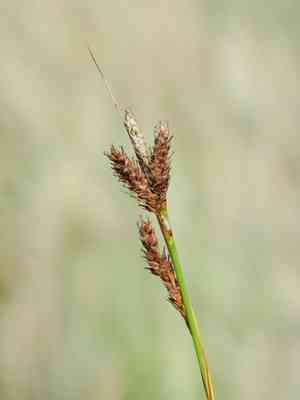
Hybrid sedge (Carex gynodynama)
Also known as: Wonder-woman sedge
Hybrid sedge typically features narrow, elongated leaves and a strong root network, accompanied by compact flower clusters. This perennial plant thrives in moist environments, where its foliage provides shelter and food for local wildlife. Adapted to cool, wet conditions, hybrid sedge often grows in dense clumps, playing a crucial role in soil stabilization and enhancing ecosystem diversity.
In This Article
Attributes of Hybrid sedge
Lifespan
Perennial
Plant Type
Grass
Plant Height
15-60 cm
Spread
N/A
Leaf Color
Green
Flower Size
N/A
Flower Color
Brownish
Images of Hybrid sedge
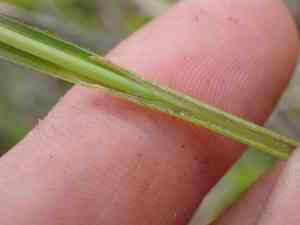
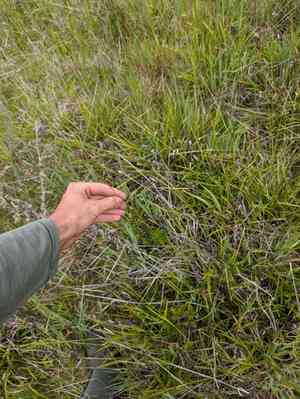
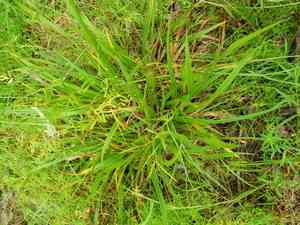
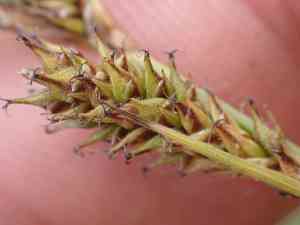
Quickly Identify Hybrid sedge
1
Can be identified by its distinctive sedge-like leaves and the presence of male and female flowers on separate spikes.
Scientific Classification of Hybrid sedge
Phylum
Vascular plants
Class
Monocotyledons
Order
Poales
Family
Sedge
Genus
True sedges
Species
Hybrid sedge
Planting and Growing of Hybrid sedge
Care Difficulty
Moderate
Watering Schedule
Every 2 days
Sunlight Requirements
Partial sun
Sunshine Duration
4-8 hours
Ideal Temperature
60-75℉
Soil Type
Potting Mix, Peat Mix
Soil pH
6.5-7.5
Fertilizer Type
Balanced
Pruning Season
Spring, Summer
Pruning Area
Branches, Leaves
Pruning Frequency
2 times a year
Repotting Season
Spring
Pot Type
Plastic, Ceramic
 How to Water Hybrid sedge?
Water Carex gynodynama with approximately 500 milliliters at each session. This ensures the soil remains evenly moist but not waterlogged. The key is to maintain a balance where the soil feels damp to touch but drains well. Be cautious not to overwater, as this sedge prefers slightly drier conditions within its tolerance.
What are the symptoms of an underwatered Hybrid sedge?
›
What should I do if my Hybrid sedge is not getting enough water?
›
What are the symptoms of an overwatered Hybrid sedge?
›
How to save an overwatered Hybrid sedge?
›
 What Are the Sunlight Requirements for Hybrid sedge?
Partial sun is ideal where it can photosynthesize effectively while avoiding dehydration and scorching, contributing to lush, resilient growth in shaded, naturally lit areas.
What is the best environment for Carex gynodynama?
›
How can one achieve ideal lighting for Carex gynodynama?
›
What are the benefits of ideal lighting for Carex gynodynama?
›
 What Is the Ideal Temperature Range for Hybrid sedge?
For Carex gynodynama, the ideal temperature range is between 60°F and 75°F. These temperatures are optimal for promoting healthy growth and ensuring that the plant can perform photosynthesis efficiently. Maintaining temperatures within this range helps avoid stress and supports their natural habitat requirements.
 What Soil is Best for Hybrid sedge?
Carex gynodynama thrives in soils that retain adequate moisture. This is vital as it helps ensure the plant remains hydrated and flourishes under optimal conditions, particularly in regions or seasons with limited rainfall. This plant benefits from a soil rich in organic matter, which provides essential nutrients. A nutrient-rich environment boosts its growth potential and enhances its ornamental appeal, making it a more robust garden addition. Despite needing moisture, Carex gynodynama prefers well-drained soils to prevent root rot. This balance between moisture retention and drainage is crucial for the plant's health and longevity.
 How to Fertilize Hybrid sedge?
For Carex gynodynama, the fertilizer amount should be moderate to ensure healthy growth without overwhelming the plant's roots. Use about half the recommended amount on the fertilizer packaging, approximately 10-15 grams per square meter for solid fertilizers. For liquid fertilizers, dilute to half the concentration advised and apply uniformly.
 How to Prune Hybrid sedge?
When pruning Carex gynodynama, begin by removing any dead or yellowing foliage, as this can allow the plant more energy for new growth. Always use sharp, clean tools to make clean cuts and avoid any transmission of disease. Trim back the older sections of the plant to allow sunlight to reach newer growth, encouraging a fuller appearance. To maintain the plant’s natural shape, use selective thinning. This involves cutting selective stems to the base of the plant, which helps improve air circulation and light penetration, providing an overall healthier plant. Be careful not to thin excessively, as this may reduce the plant’s vigor.
More About Pruning Techniques→
 How to Propagate Hybrid sedge plant?
1
For seed propagation, ensure the soil is well-draining and rich in organic matter. For division, prepare the new planting site with similar soil conditions to promote healthy growth.
2
Scatter the seeds evenly over the soil surface and lightly press them into the soil. Do not bury the seeds deeply as this can hinder their germination.
3
Carefully dig up the entire plant and use a knife or your hands to separate the clumps. Ensure each new section has enough roots to support its growth before replanting.
 How to Repot Hybrid sedge plant?
1
Carex gynodynama shows signs it's time to be repotted when its roots start to circle the pot or grow out of the drainage holes. Another indication is a noticeable slowdown in growth or if the potting mix no longer retains water well. The best times for repotting this plant are during the spring or autumn as this aligns with its growing periods, giving it ample time to adjust.
2
Choose a pot that is one size larger than the current one to give roots space to expand. Ensure the pot has good drainage holes to prevent waterlogging, which is crucial for maintaining optimal moisture levels in the soil. A slightly wider pot can also enhance stability as it grows, reducing the likelihood of tipping, especially as the plant matures and becomes top-heavy.
3
For Carex gynodynama, a well-draining potting mix with organic material is ideal. This type of soil supports root development and provides essential nutrients. It also promotes excellent aeration and moisture balance, preventing root rot by allowing excess water to escape. A mix that includes peat moss, perlite, and bark is usually effective for this plant.



